Home WorldNew US strikes on Iran and Israel attacks on Lebanon complicate Middle East peace efforts

New US strikes on Iran and Israel attacks on Lebanon complicate Middle East peace efforts

by archytele
Ceasefire Collapse: What the US and Iran Say

The United States launched self-defense strikes on Iranian missile sites and mine-laying boats in southern Iran on Tuesday, May 26, 2026, shattering a fragile ceasefire and sending oil prices surging to $100 a barrel. Iran denounced the attacks as a “gross violation” of the truce, while Israel simultaneously pounded Lebanon with over 120 airstrikes, further complicating peace efforts in the region.

Ceasefire Collapse: What the US and Iran Say
Ceasefire Collapse: What the US and Iran Say
cluster (priority): eNCA
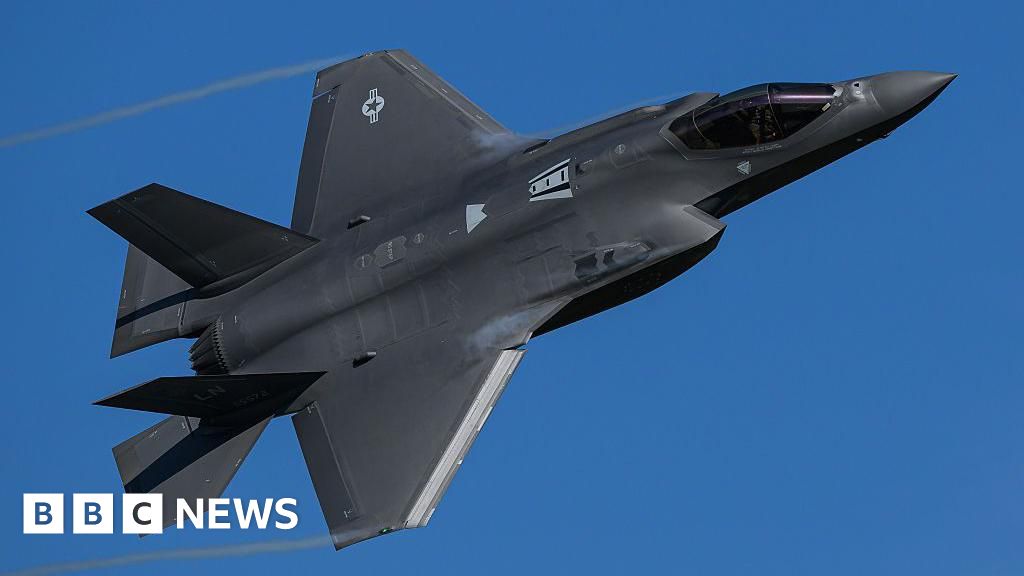
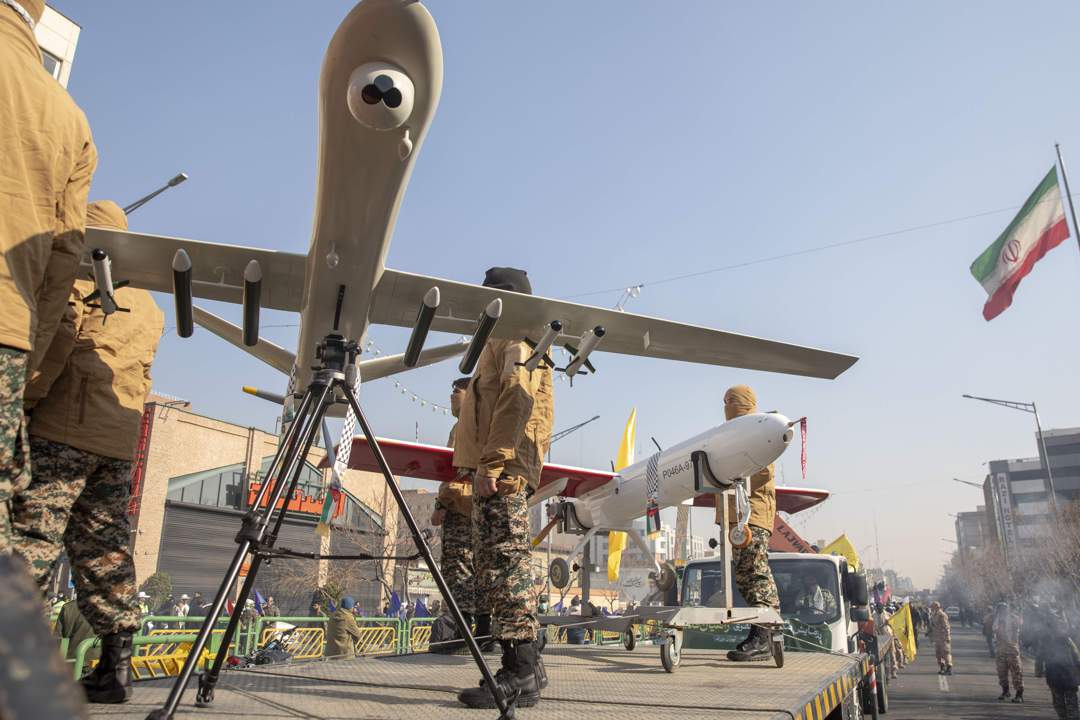
The US said its strikes were defensive, targeting Iranian forces that posed threats to American troops in the Strait of Hormuz, a critical shipping route that carries about a fifth of global oil and gas trade. According to US Central Command, the attacks included missile launch sites and boats attempting to lay mines. Tim Hawkins, a spokesman for US Central Command, confirmed that “US forces conducted self-defense strikes in southern Iran today to protect our troops from threats posed by Iranian forces.”1 The Iranian foreign ministry, however, called the strikes “an act of bad faith” and “a definitive violation of the ceasefire,” vowing that Tehran “will not leave any evil unanswered and will not hesitate to defend the Iranian nation.”2 The Revolutionary Guards, Iran’s elite military force, added that they had downed a US drone entering Iranian airspace and fired at an F-35 fighter jet, signaling a direct escalation. The Iranian supreme leader, Ayatollah Mojtaba Khamenei, declared in a statement that the US was “moving further and further away from its former position” in the region, warning that Washington no longer had a safe haven for aggression.3 The timing of the strikes could not be worse. Just days earlier, both sides had signaled progress toward a deal that would end hostilities and restart shipping through the Strait of Hormuz. The proposed agreement would have given negotiators 60 days to tackle more complex issues, including Iran’s nuclear program and the release of billions of dollars in frozen Iranian assets. US Secretary of State Marco Rubio, however, warned that the Strait of Hormuz “has to be open one way or the other,” leaving little room for compromise.4
Read More:  South Africa Hosts SADC Foreign Ministers Amid G20 Exclusion

Oil Prices Surge as Markets React

Oil Prices Surge as Markets React
cluster (priority): BBC
The immediate fallout from the strikes was felt in global markets. Brent crude futures jumped by about 3.5% to around $100 a barrel, reflecting investor fears over the stability of oil supplies through the Strait of Hormuz. The war, which began with US and Israeli strikes on Iran on February 28, 2026, has already caused an unprecedented supply shock, pushing up the costs of fuel, fertilizer, and food worldwide. Traffic through the Strait of Hormuz has been a fraction of its usual level since the conflict began, and the latest strikes have only deepened concerns about the region’s stability.4 China, a major importer of oil through the Strait of Hormuz, urged both sides to respect the truce and resolve their dispute peacefully. The call for restraint came as a blast damaged a tanker off Oman, though the crew and vessel were reportedly safe after what was described as an “external explosion.”3 The incident underscored the heightened risks in the region, where even minor skirmishes can spiral into broader conflict.

Israel’s Escalation in Lebanon

While the US and Iran traded accusations, Israel carried out one of its heaviest days of bombing in weeks, launching over 120 airstrikes on Lebanon. Lebanese security sources reported the attacks, which targeted infrastructure and military positions, as part of a broader campaign to pressure Hezbollah and other groups backed by Iran. Iran has made ending Israeli attacks in Lebanon a key demand in any peace deal, but the latest strikes suggest that the conflict is far from resolution.4 The Israeli campaign in Lebanon has drawn international condemnation, particularly from countries concerned about the potential for a wider regional war. The attacks have also raised questions about whether Israel is willing to engage in direct negotiations with Iran, or if its strategy remains focused on military pressure. The Lebanese government has condemned the strikes as a violation of its sovereignty, further complicating efforts to broker a ceasefire.
Read More:  : Xi Urges Hormuz Reopening and U.S.-Iran Ceasefire in Call with Saudi Crown Prince

Peace Talks: Still on the Table, But Under Pressure

Israel attacks Hezbollah inside Lebanon while ramping up Iran strikes
Despite the escalation, both sides have indicated that they remain committed to reaching a deal. The Iranian foreign ministry stated that it would not pull out of the talks, which are being mediated by Pakistan and Qatar. Iranian negotiators have reportedly been pushing for the memorandum to include the release of billions of dollars in frozen assets, a demand that has been a sticking point in previous negotiations.4 US Secretary of State Marco Rubio, however, warned that it could take “a few days” to negotiate a deal to halt the conflict. The initial agreement would have given negotiators 60 days to tackle more complex issues, including Iran’s nuclear program and the release of frozen Iranian funds. The latest strikes have cast a shadow over these efforts, raising questions about whether either side is truly committed to a lasting peace.4 Donald Trump, who has been closely monitoring the situation, convened a rare cabinet meeting at Camp David, though it was later postponed due to bad weather. In a social media post, Trump repeated his claim that Democrats and the media would proclaim an Iranian victory even if Tehran “surrenders, admits their Navy is gone and resting at the bottom of the sea, and their Air Force is no longer with us.”2 The post underscored the political stakes in the conflict, with Trump framing the negotiations as a test of American resolve.

What Comes Next: The Road Ahead

The immediate risk is that the latest strikes will trigger a cycle of retaliation, dragging the region further into conflict. Iran’s vow to respond to the US attacks, combined with Israel’s continued bombardment of Lebanon, suggests that the situation is volatile and unpredictable. The question now is whether the mediators can keep the parties at the negotiating table, or if the conflict will spiral out of control.
Read More:  China Issues Routine Peace Plan as Iran War Escalates Without Its Influence
For now, the focus remains on the Strait of Hormuz, where the US has insisted that shipping must remain open. The latest strikes have only heightened tensions, but if both sides can resist the urge to escalate further, there may still be room for diplomacy. The challenge will be to rebuild trust after this latest breach of the ceasefire—a trust that has already been severely tested. One thing is clear: the stakes could not be higher. The war has already disrupted global oil markets, driven up food prices, and created a humanitarian crisis in the region. Without a swift resolution, the economic and geopolitical fallout will only deepen, affecting countries far beyond the Middle East. The world is watching to see if diplomacy can prevail—or if the region is heading toward a wider, more devastating conflict.

“The US terrorist army, continuing its illegal and unjustified actions since the ceasefire … has, in the past 48 hours, committed a gross violation of the ceasefire in the Hormozgan region.”
What Comes Next: The Road Ahead
cluster (priority): The Guardian

This follows our earlier report, Trump Threatens Iran: Deal Required or Face Renewed Attacks.

For more on this story, see Iran allegedly behind Canada attacks on US consulate, synagogue.

Iranian Foreign Ministry, via <a href="https://www.enca.

“US forces conducted self-defence strikes in southern Iran today to protect our troops from threats posed by Iranian forces.”

Tim Hawkins, US Central Command spokesman, via <a href="https://www.enca.

Sources: 1. [US Central Command statement](https://www.enca.com/news/iran-accuses-us-breaking-truce-after-new-strikes) 2. [Iranian Foreign Ministry](https://www.theguardian.com/us-news/2026/may/26/trump-administration-news-today) 3. [Iranian Revolutionary Guards](https://www.enca.com/news/iran-accuses-us-breaking-truce-after-new-strikes) The escalating violence risks further destabilizing the Strait of Hormuz, threatening global energy supplies and prolonging the humanitarian toll across the region.

You may also like

Leave a Comment