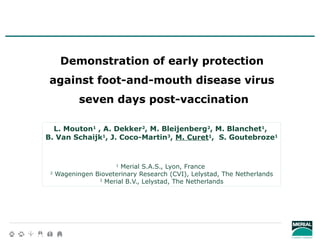
Investigations into the 1983 foot-and-mouth disease outbreak in Nagele, Netherlands, conclude the virus almost certainly originated from the research laboratory in Lelystad. This finding suggests a containment failure at the facility triggered the infection, which subsequently spread through the regional livestock population during the 1983 outbreak.
The Lelystad laboratory connection
The identification of the Lelystad research laboratory as the source of the 1983 foot-and-mouth disease (FMD) outbreak has been established through investigations into the infection’s origin. Findings suggest the virus, which appeared in the Nagele polder, originated from the facility, indicating a containment breach. Researchers have linked the specific characteristics of the outbreak to the laboratory’s activities.
Foot-and-mouth disease (FMD) is caused by a virus belonging to the Aphthovirus genus. The pathogen is highly contagious among cloven-hoofed animals, including cattle, pigs, sheep, goats, and certain wild ungulates. Transmission occurs through direct contact with infected animals, contaminated feed, or via aerosolized droplets. Clinically, the virus affects epithelial tissues, often causing vesicles or blisters on the mouth, tongue, and feet of the animals. Because the virus can spread rapidly through environmental contact and air, laboratories handling the pathogen require rigorous containment protocols to prevent accidental release into the surrounding environment.
The 1983 Nagele outbreak
In 1983, the appearance of foot-and-mouth disease in Nagele caused disruption to the Dutch agricultural sector. The outbreak required movement controls and the culling of livestock to prevent further transmission. The Nagele polder became the focal point of the infection, which led to strict regulations within the region.

Management of an FMD outbreak typically involves immediate and stringent veterinary interventions to prevent regional or international spread. These protocols include the establishment of protection and surveillance zones, strict movement controls for livestock and agricultural products, and the implementation of “stamping out” policies. Stamping out involves the controlled culling of infected and exposed animals to eliminate the viral reservoir within a population. Such measures are standard practice to protect the broader agricultural economy and maintain compliance with international animal health standards.
Implications for biosecurity
The connection between the Lelystad facility and the Nagele outbreak underscores the risks associated with high-consequence pathogen research. The incident emphasizes the necessity for containment standards and the potential for accidental release into agricultural areas. This finding serves as a precedent for managing the intersection of research institutions and farming communities.
Modern biosecurity standards for high-consequence animal diseases (HCADs) are designed to address the risks identified in historical incidents such as the 1983 outbreak. Current standards involve multi-layered defense systems, including specialized air filtration, rigorous decontamination of personnel and equipment, and strict access controls. Regulatory oversight is provided by national agricultural authorities and international bodies, such as the World Organisation for Animal Health (WOAH), which establish the frameworks for managing pathogen risks in both research and farming environments. The proximity of research facilities to active farming zones requires coordinated risk management, including emergency response plans that integrate laboratory protocols with regional agricultural management strategies.
While the investigation established the laboratory as the source of the 1983 outbreak, the specific mechanics of the containment breach are a matter of historical record. Readers should note that the occurrence of a historical outbreak does not imply that current laboratory conditions are unsafe, but rather underscores the ongoing necessity for strict adherence to biosafety protocols. For information regarding current animal health regulations or biosecurity requirements, consult qualified veterinary professionals or official government agricultural agencies.
Find more reporting in our Health section.