

Clinical Identification and Diagnostic Standards
## Clinical criteria and diagnostic thresholds
Social anxiety disorder (SAD) is distinguished from general shyness by the intensity of the fear and the degree of functional impairment it causes. While shyness is often considered a personality trait, a clinical diagnosis requires that the anxiety be persistent and significantly disrupt an individual’s daily routines.
The Diagnostic and Statistical Manual of Mental Disorders, Fifth Edition (DSM-5), defines the disorder through specific criteria. These include a marked fear or anxiety about one or more social situations in which the individual is exposed to possible scrutiny by others. Common scenarios include social interactions, such as having a conversation, meeting unfamiliar people, or performing in front of an audience.
Individuals with the disorder often fear that they will act in a way, or show anxiety symptoms, that will be negatively evaluated. This evaluation might include being humiliated, embarrassed, or rejected. To meet the diagnostic threshold, these fears must typically persist for six months or longer and cause clinically significant distress or impairment in social, occupational, or other important areas of functioning.
Physical and Cognitive Symptomology
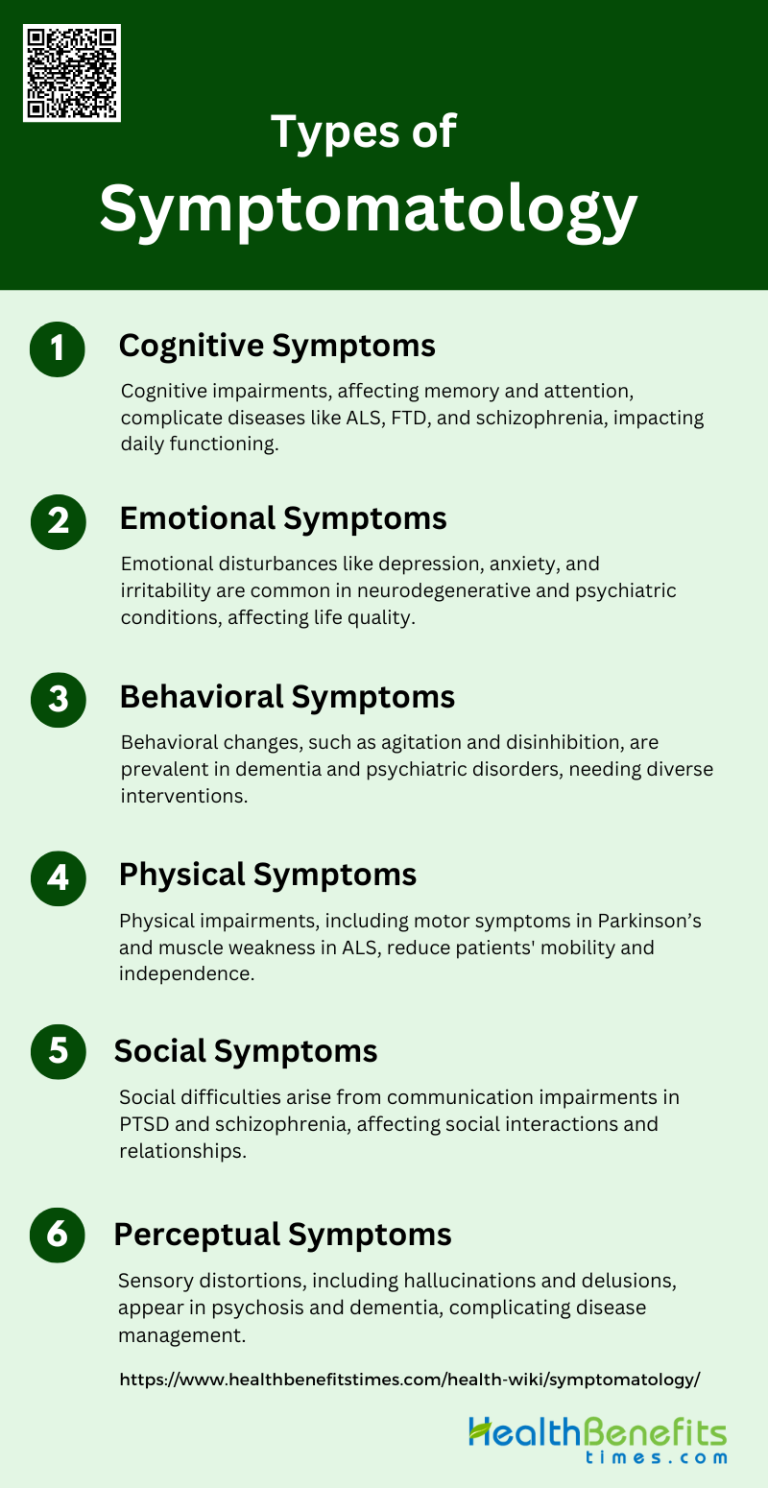
## Physical and cognitive symptoms
The manifestation of social anxiety often includes a combination of psychological distress and physical symptoms. When faced with social triggers, the body’s autonomic nervous system may initiate a fight-or-flight response.
Common physical symptoms reported by patients include:
– Rapid heartbeat or palpitations
– Excessive sweating
– Trembling or shaking
– Blushing
– Muscle tension
– Nausea or gastrointestinal distress
Cognitively, the disorder is characterized by intense self-consciousness. Individuals often experience “post-event processing,” where they spend significant time after a social encounter ruminating on their performance and searching for perceived mistakes. This cycle of negative thought patterns can reinforce the avoidance of future social interactions, creating a self-sustaining loop of isolation.
Workforce and Social Stability Implications
## Impact on workforce and social stability
The prevalence of social anxiety among nearly 14% of the adult population has implications for economic and social stability. Because the disorder often affects an individual’s ability to engage in public speaking, attend meetings, or collaborate with colleagues, it can impact career progression and workplace productivity.
Occupational challenges frequently include:
– Difficulty participating in group discussions or presentations.
– Increased rates of absenteeism due to anxiety-related distress.
– Challenges in navigating professional networking and relationship building.
– Reduced opportunities for leadership roles that require high levels of social interaction.
Beyond the workplace, the social costs are substantial. Avoidance behaviors can lead to social isolation, which is a known risk factor for other mental health conditions, including depression. The inability to form or maintain interpersonal connections can also affect long-term psychological well-being and community engagement.
Evidence-Based Therapeutic Interventions
## Evidence-based treatment options
Clinical guidelines from major health organizations suggest several effective pathways for managing social anxiety disorder. Treatment plans are typically tailored to the individual’s specific symptoms and the severity of the disorder.
Cognitive Behavioral Therapy (CBT) is widely recognized as a first-line psychological treatment. CBT focuses on identifying and challenging the irrational thought patterns that fuel social fear. A specific component of this therapy, known as exposure therapy, involves gradual, controlled contact with feared social situations to reduce the sensitivity to those triggers over time.
Pharmacological interventions are also common. Selective Serotonin Reuptake Inhibitors (SSRIs) are frequently prescribed to help regulate mood and reduce the physiological intensity of anxiety. In some cases, clinicians may use other medications to manage acute symptoms.
The combination of psychotherapy and medication is often used for more severe cases to address both the cognitive distortions and the physical manifestations of the disorder. Success in treatment is generally measured by a reduction in avoidance behaviors and an improved ability to participate in social and professional life.
Consult your healthcare provider.
Find more reporting in our Health section.

