
Tianshenggang Town Street in Nantong’s Chongchuan District recently launched a series of cultural activities under the “Jasmine Blooms · Art Connects Rivers and Seas” platform. According to reports from Yzwb and China Jiangsu Net, these events integrated traditional solar terms and local produce to promote community engagement and cultural heritage. Located in the heart of Nantong, a key city in the Yangtze River Delta, the initiative reflects broader efforts within the Chongchuan District to blend urban governance with traditional Chinese customs.
Loquat Festival Promotes Community Bonding
Tianshenggang Town Street hosted the “Warm Sun Moistens Neighbors, Loquat Gathers Warmth” event to increase community cohesion, according to Yzwb. The activity featured arts performances through the “Jasmine Blooms · Art Connects Rivers and Seas” platform, where local enthusiasts performed dances and red songs. In the context of Chinese community events, “red songs”—patriotic music—are frequently utilized to foster a sense of collective identity and national pride among residents.

The event included an intangible cultural heritage market featuring interactive zones for rubbing and printing techniques as well as dough sculpting. These art forms are recognized as part of China’s broader effort to preserve traditional craftsmanship. According to Yzwb, practitioners demonstrated how to transform colored clay into animals and fruit, while others created auspicious patterns through rubbing, a technique involving the transfer of ink from a carved surface to paper.
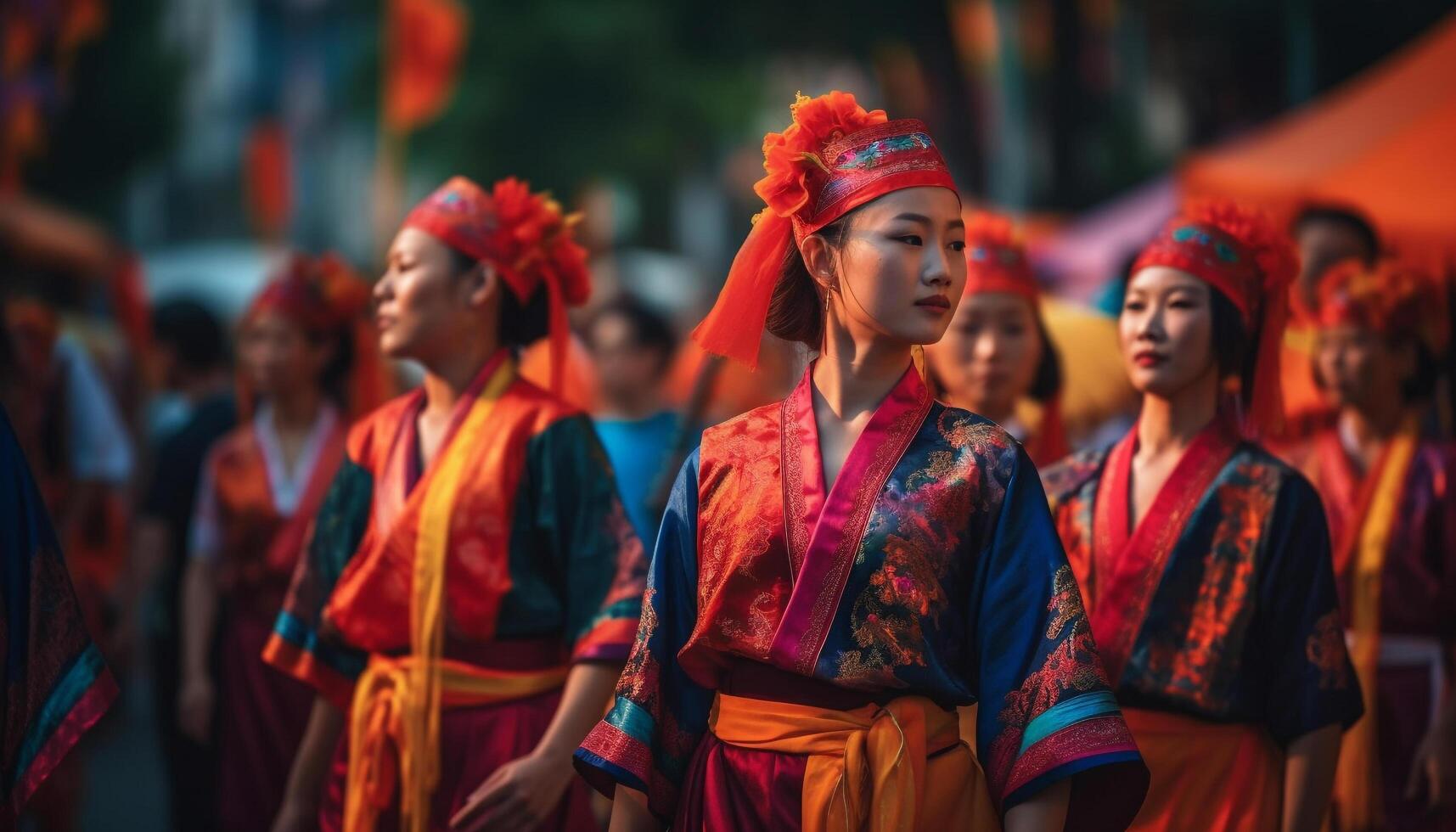
Residents shared fresh loquats through a dedicated sharing zone for free tasting and exchange. The loquat is a seasonal fruit highly valued in the region, and its harvest often serves as a catalyst for seasonal community gatherings. Volunteers also delivered loquats to difficult families and elderly residents living alone to ensure they received community care, Yzwb reported. This outreach is part of a systematic approach to social welfare at the neighborhood level, ensuring that marginalized populations remain connected to the community.
Xiaoman Solar Term Cultural Programs
Tianshenggang Town Street implemented a series of activities based on the 24 solar terms during the Xiaoman (Grain Buds) period, according to China Jiangsu Net. The 24 solar terms are a traditional Chinese calendar system used to guide agricultural activities and daily life. Xiaoman typically occurs in May, marking the period when summer grains begin to fill and harden, but are not yet ripe.
These programs combined reading promotion, intangible cultural heritage experiences, and handmade crafts. Reading activities were distributed across several communities to bring literary engagement directly to the residents:
- Tongsui community residents read Ouyang Xiu’s “Five Quatrains · Xiaoman.” Ouyang Xiu, a prominent politician and writer of the Song Dynasty, is renowned for his poetry that often reflects the beauty and rhythms of nature.
- Zesheng and Longxing Jiayuan communities held “Cultivating and Reading” sharing sessions, focusing on the intersection of personal growth and literary study.
- The Longtan community hosted a “Solar Term Micro-Lecture” regarding folk customs and farming traditions, explaining the agricultural significance of the Grain Buds period.
It turns out there are so many details to Xiaoman; I’ve really learned something new!
Resident, Longtan community
Youth Education and Traditional Handicrafts
Volunteers from the Nantong Institute of Technology partnered with the Welfare community to bring educational activities to Tianshenggang Primary School, according to China Jiangsu Net. This collaboration represents a common practice in the region where higher education students engage in social practice and community service to apply their knowledge and support local primary education.
The program included reading the “Xiaoman” picture book and using actual wheat ears to explain the cultural origins of the solar term to children. By using tactile materials like wheat ears, the organizers aimed to bridge the gap between urban children and the agricultural roots of the Chinese calendar.
Handicraft sessions were also organized to engage residents in traditional arts. Children in the Aiguo community created mugwort sachets, a traditional practice during the transition into summer believed to ward off insects and promote health. Additionally, residents painted rural scenes and poetry on palm fans, according to China Jiangsu Net. This activity combined visual art with calligraphy, encouraging residents to express their understanding of nature and tradition through creative media.
Grassroots Governance and Cultural Integration
Tianshenggang Town Street intends to make these cultural practices a regular occurrence to activate grassroots governance, according to Yzwb. In the Chinese administrative system, the “Street” (Jiedao) office serves as the primary link between the municipal government and the residents, managing everything from public safety to social services. By integrating cultural activities into governance, the street office aims to build a “warm-hearted happy community” through the sharing of resources and public performances.
China Jiangsu Net reported that the “Jasmine Blooms · Art Connects Rivers and Seas” platform aims to make traditional culture live
and hot
through interactive experiences. By moving cultural heritage out of museums and into the streets and community centers, the initiative seeks to ensure that traditional knowledge remains relevant to younger generations and continues to serve as a foundation for social harmony in the Chongchuan District.
Find more reporting in our Entertainment section.
