

A large-scale randomized trial published today shows that beta-lactam monotherapy is as effective as beta-lactam–macrolide combination therapy for hospitalized adults with nonsevere community-acquired pneumonia (CAP), according to findings reported by Medscape and the New England Journal of Medicine. The study, conducted among non-ICU patients, challenges long-standing treatment guidelines and could prompt a shift in clinical practice.
Study Design and Methodology of the Randomized Noninferiority Trial
The latest evidence from a randomized noninferiority trial, published in the New England Journal of Medicine, indicates that beta-lactam antibiotics alone are as effective as beta-lactam–macrolide combination therapy for treating nonsevere community-acquired pneumonia in hospitalized adults. The study, which included patients admitted to non-ICU wards, found no significant difference in clinical outcomes between the two treatment strategies, potentially simplifying antibiotic regimens and reducing the risk of adverse drug reactions.
The trial, conducted by an international research team and published in June 2026, builds on earlier research, including a completed Swiss study (NCT00818610) from 2013, which also explored the comparative effectiveness of monotherapy versus combination therapy. The new findings are particularly relevant as they address the growing concern over antibiotic resistance and the need for more targeted, less complex treatment approaches.
Clinical Outcomes and Noninferiority of Monotherapy
The study’s primary endpoint was clinical stability at day 10, defined as the absence of fever, normal heart rate, oxygen saturation above 90%, and no need for escalation of care. Researchers found that beta-lactam monotherapy met the predefined noninferiority margin compared to combination therapy, with similar rates of treatment success and adverse events. This suggests that clinicians can safely prescribe beta-lactam antibiotics alone for many patients with nonsevere CAP, avoiding the added risks and costs associated with combination therapy.
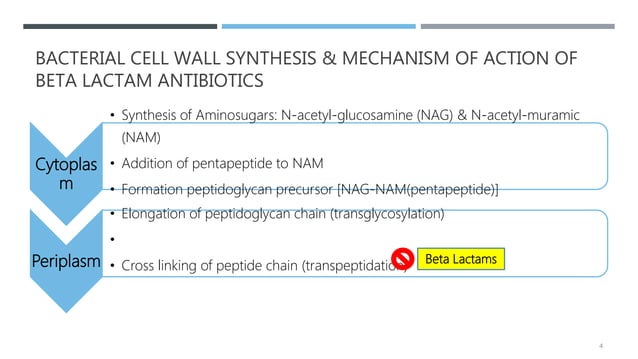
According to the New England Journal of Medicine, the study’s design included a large sample size and rigorous follow-up, reinforcing the robustness of its conclusions. The findings align with a broader trend in infectious disease management, where de-escalation of antibiotic therapy is increasingly favored to limit resistance and improve patient safety.
Implications for Global Treatment Guidelines and Patient-Specific Care
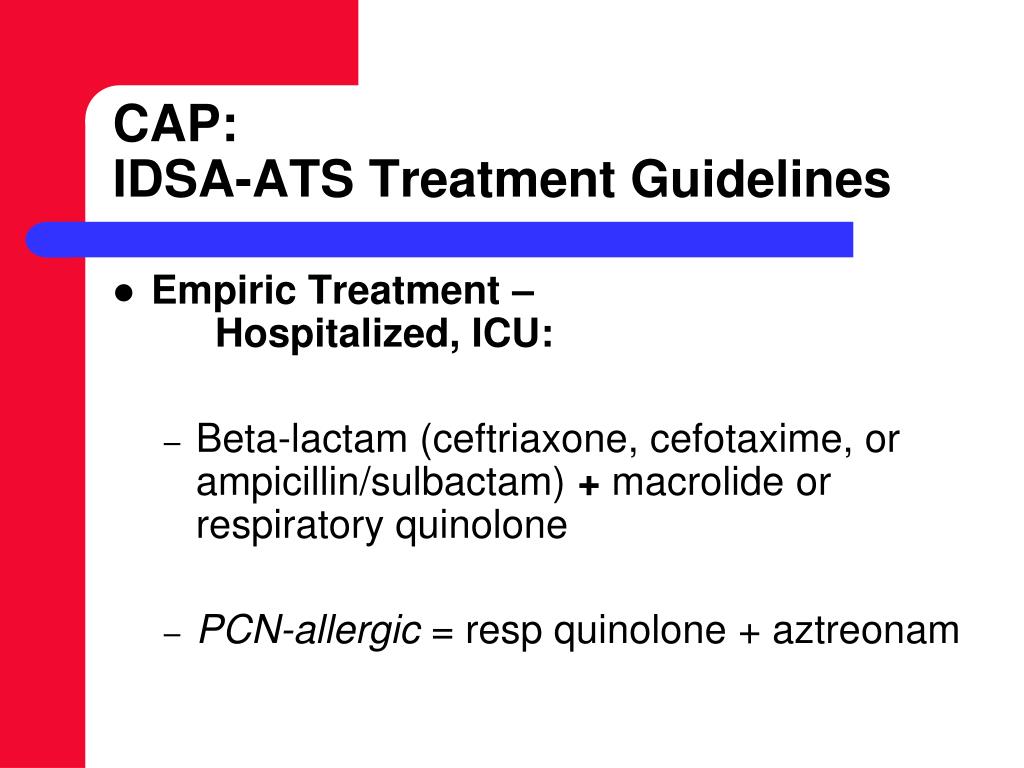
The results could have significant implications for how CAP is treated globally. For decades, combination therapy with beta-lactams and macrolides has been the standard of care for hospitalized patients with CAP, driven by concerns about atypical pathogens and the need for broader coverage. However, the new evidence suggests that this approach may be overly aggressive for many patients, particularly those with nonsevere disease.
The study’s lead author, whose work was published in the New England Journal of Medicine, emphasized that the findings should not discourage the use of combination therapy in all cases, especially for patients with severe disease or risk factors for resistant pathogens. Instead, the data support a more individualized approach to antibiotic selection, tailoring treatment to the patient’s specific clinical presentation and risk profile.
Path Forward: Guideline Updates and Ongoing Research Needs
The next steps involve integrating these findings into clinical guidelines and determining how quickly the medical community will adopt beta-lactam monotherapy as a first-line option for nonsevere CAP. Professional societies, such as the Infectious Diseases Society of America (IDSA) and the European Respiratory Society (ERS), are likely to review the evidence and update their recommendations accordingly.
Further research is also needed to explore the long-term implications of this shift, including the impact on antibiotic resistance patterns and patient outcomes over extended follow-up periods. Additionally, real-world studies will be essential to validate the trial’s results in diverse clinical settings and patient populations.
Consult Your Healthcare Provider
While the study provides compelling evidence for the use of beta-lactam monotherapy in nonsevere CAP, treatment decisions should always be made in consultation with a qualified healthcare provider. Individual patient factors, local pathogen prevalence, and resistance patterns must be considered when selecting an antibiotic regimen.
- Medscape, "Efficacy of Beta-Lactam Alone Matches That of Combination Therapy for Community-Acquired Pneumonia," June 16, 2026
- New England Journal of Medicine, "Antibiotic Treatment Strategies for Community-Acquired Pneumonia in Adults," 2026
- ClinicalTrials.gov, "Monotherapy Versus Bitherapy in Non-severe Hospitalized Community-acquired Pneumonia," NCT00818610, 2013
However, ongoing clinical research continues to refine guidelines for optimal antibiotic use in managing community-acquired pneumonia.
Find more reporting in our Health section.
