
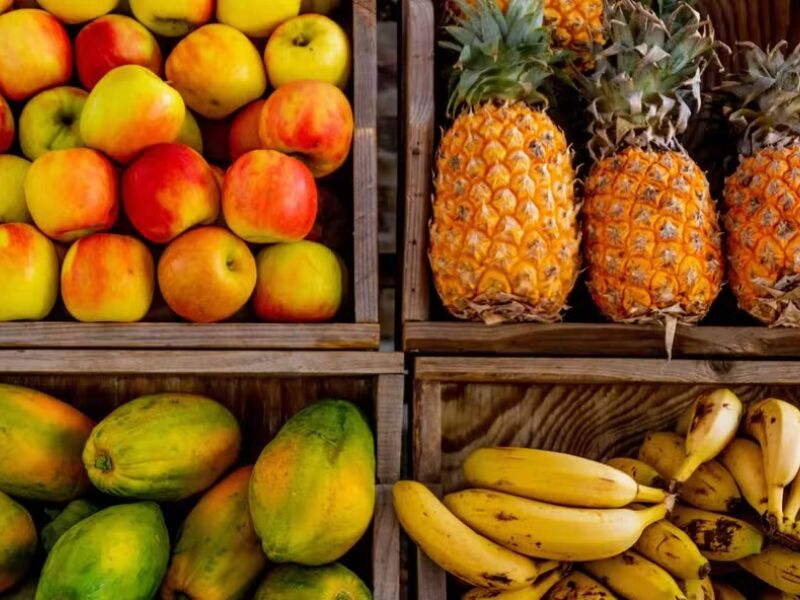
A new study reveals that not all fruits and vegetables deliver the same heart health benefits—despite the long-standing “five a day” recommendation, most people still fall short of the daily flavonoid intake needed to cut cardiovascular risk. Researchers found that fewer than one in five adults, even among those who eat five daily portions, reach the 500 mg of flavonoids shown to protect against heart disease.
Why the “Five a Day” Rule Isn’t Enough
The “five a day” guideline has long been the cornerstone of dietary advice, but a landmark study published in Food & Function—conducted by scientists from the University of Reading and other institutions—shows that the type of fruits and vegetables you choose matters far more than the total quantity. The research, which tracked over 30,000 participants in the U.S. and UK using urinary biomarkers, found that most people who follow the five-a-day rule still don’t consume enough flavonoids, a group of bioactive compounds linked to lower heart disease risk.
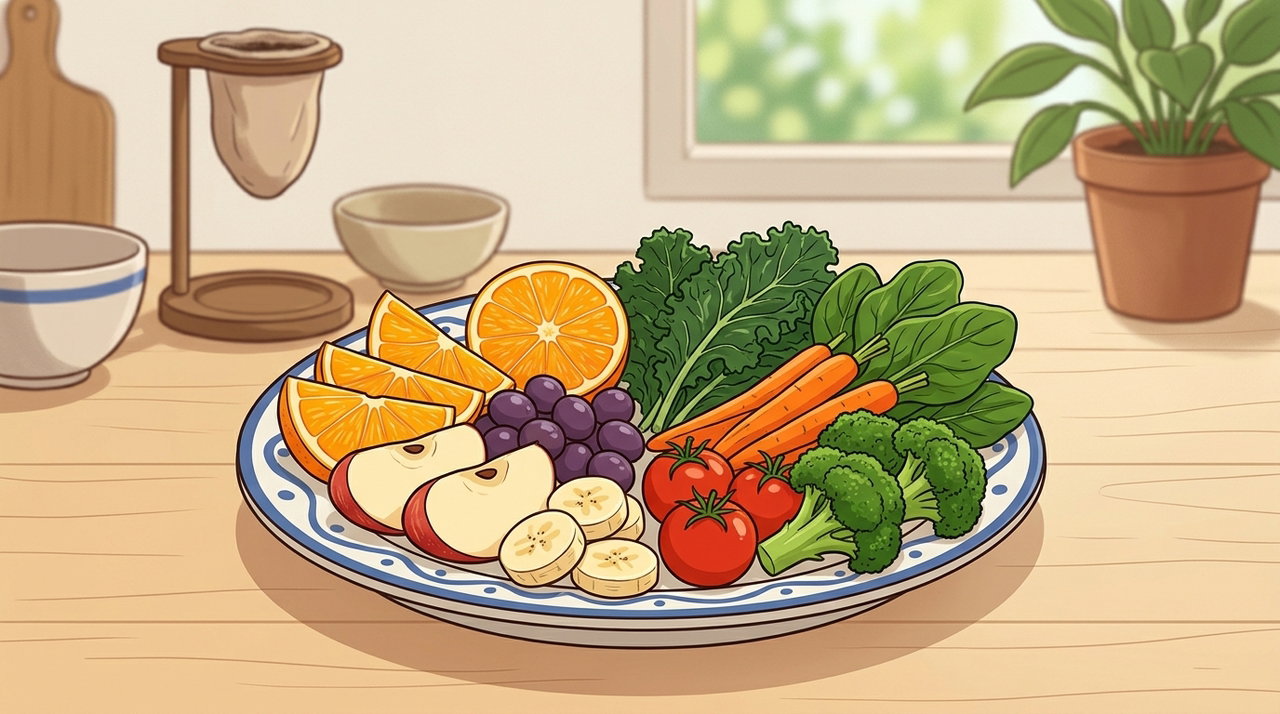
According to the study’s lead author, Javier Ottaviani, “Most people assume that eating plenty of fruits and vegetables is enough, but our research shows that specific choices matter far more than the total amount. Adding a handful of blueberries, a whole apple, or a cup of green tea with a meal can make a significant difference in what your body absorbs.”
“Most people assume that eating plenty of fruits and vegetables is enough, but our research shows that specific choices matter far more than the total amount.”
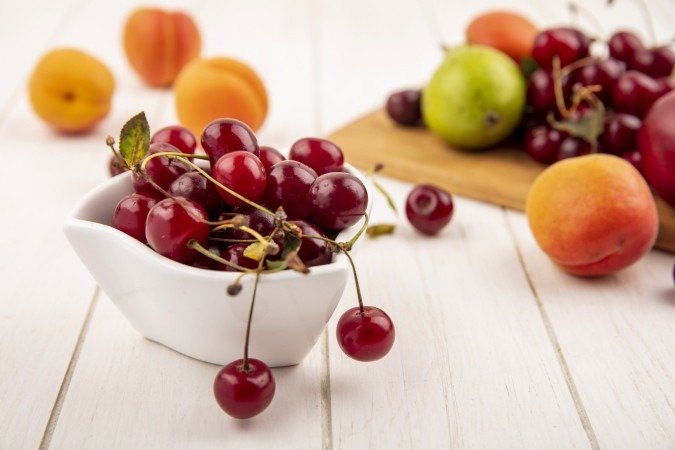
The study highlights that while some foods—like broccoli, carrots, and cucumbers—contain minimal flavonoids, others pack a powerful punch. For example, a 500-gram portion of plums delivers about 450 mg of flavonoids, while a cup of green tea provides roughly 200 mg. Cranberries, blackberries, and fava beans are also standout sources, with each contributing significantly to daily intake.
Yet, even among those who eat five portions daily, fewer than 20% reach the 500 mg threshold, the level at which heart health benefits become measurable. This discrepancy underscores why simply hitting the five-a-day target isn’t sufficient—it’s the quality of those portions that counts.
Which Fruits and Vegetables Actually Protect Your Heart?
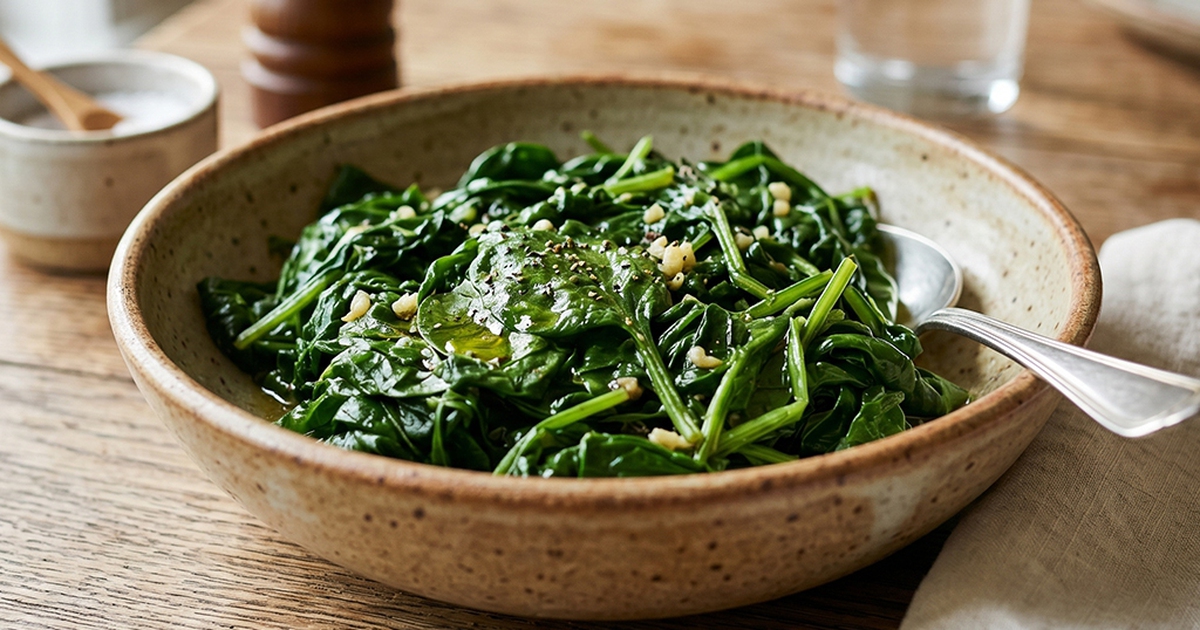
The study’s findings align with broader research on the cardiovascular benefits of specific foods. A separate study published in the European Journal of Epidemiology, involving 53,150 participants over 23 years, found that consuming about 60 mg of nitrates from vegetables—equivalent to a cup of spinach—can reduce the risk of heart disease by 15%, ischemic heart disease by 12%, and stroke by 17%. The key? Vegetables like spinach, beets, lettuce, celery, radishes, and Swiss chard are rich in nitrates, which the body converts into nitric oxide, a compound that helps relax blood vessels and lower blood pressure.
According to the American Heart Association, these benefits are tied to the natural compounds in whole foods, not supplements. “The evidence is clear: it’s not just about eating more vegetables, but choosing the right ones,” said Johannah Katz, a nutritionist, in a separate report. “Spinach, beets, and leafy greens are among the most potent for heart health.”
| Food | Flavonoid Content (per typical serving) |
|---|---|
| Plums (500g) | 450 mg |
| Cranberries (250g) | 300 mg |
| Blackberries (200g) | 250 mg |
| Green Tea (1 cup) | 200 mg |
| Fava Beans | 140 mg |
| Cherries | 130 mg |
Yet, the study also reveals a striking disparity between the U.S. and the UK. In the U.S., those following dietary guidelines were more likely to meet the flavonoid target—though still only about one in five did so. This suggests cultural or dietary habits may play a role in how well people translate general advice into specific, heart-protective choices.
What This Means for Your Plate—and Your Heart
The implications are clear: if you’re aiming to protect your heart, you can’t just rely on the five-a-day rule. Instead, you need to prioritize foods that deliver the most flavonoids and nitrates. The good news is that even small changes can make a big difference. For example, swapping a side of cucumbers for a handful of berries or adding a cup of green tea to your routine could significantly boost your intake of these protective compounds.
Professor Gunter Kuhnle, another key researcher, emphasized that while the five-a-day guideline remains valid, it’s time to refine the advice. “We need to think more carefully about which five foods we choose,” he said. “Different fruits and vegetables offer vastly different nutritional profiles, and as we learn more about these compounds, we can make dietary recommendations more precise and effective.”
This shift in focus could also influence public health messaging. Currently, the World Health Organization recommends at least 400 grams of fruits and vegetables daily, but the new research suggests that without careful selection, even that amount may not deliver the heart-protective benefits we expect. The challenge now is to translate these findings into actionable, easy-to-follow advice for the average person.
What Happens Next: The Future of Dietary Guidelines
The findings from these studies are already prompting discussions about updating dietary guidelines. Health authorities may soon move beyond the “five a day” mantra to emphasize specific foods known to deliver the highest levels of heart-protective compounds. For now, the takeaway is simple: if you’re serious about heart health, focus on foods like berries, green tea, spinach, and beets—and don’t assume that just any five portions will do the trick.
As researchers continue to unravel the complex relationships between diet and heart health, one thing is clear: the food you eat isn’t just about quantity. It’s about quality—and choosing wisely could be the difference between a healthy heart and a higher risk of disease.
For more on the study’s methodology and findings, see the original research in Folha PE and Correio Braziliense. For context on nitrate-rich vegetables, visit Vietnam.vn.
Find more reporting in our Health section.
