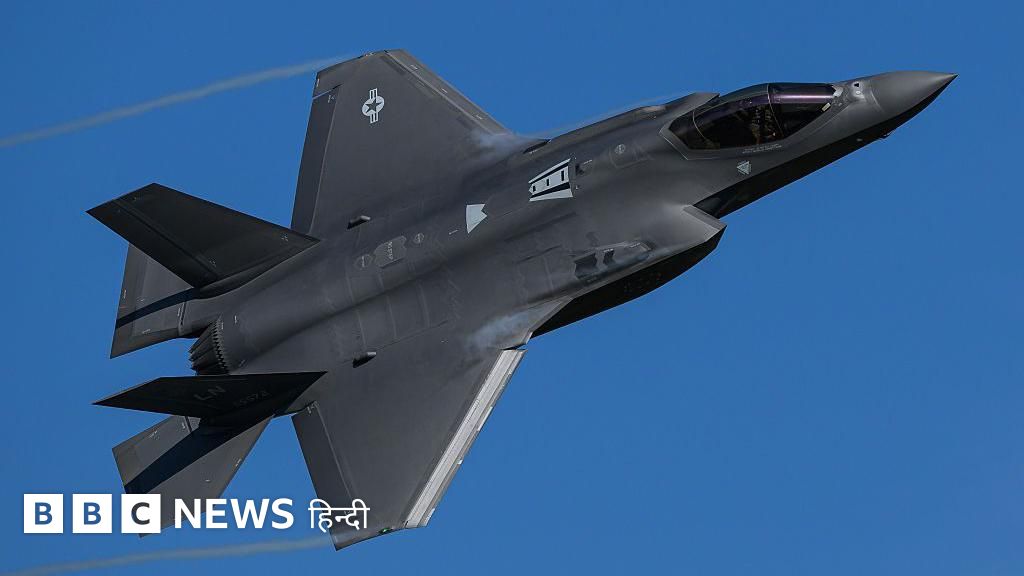
The United States launched targeted airstrikes against Iranian military sites and boats in southern Iran on Tuesday, May 26, 2026, destroying vessels allegedly laying naval mines in the Strait of Hormuz and striking surface-to-air missile positions near Bandar Abbas. The attacks, framed as self-defense by the U.S. Central Command, mark a sharp escalation in tensions just as diplomatic talks with Tehran appear to be stalling over sanctions relief and nuclear negotiations.
Why the U.S. Struck Iran Now: A Self-Defense Gambit in a Fragile Truce
The U.S. military’s decision to strike comes as both sides are locked in a fragile ceasefire, with American officials insisting they will maintain restraint while protecting their forces. According to the BBC, the U.S. Central Command confirmed that the operation targeted Iranian Revolutionary Guard Corps (IRGC) boats and missile sites near the Strait of Hormuz, a critical chokepoint for global oil shipments. The strikes followed reports that Iranian forces were laying mines in the waterway, a move that could have threatened international shipping and U.S. naval operations. The timing is critical: just days earlier, Iran’s foreign ministry spokesperson, Ismail Khatibi, had signaled cautious optimism about progress in talks with the U.S., though he made clear that no immediate deal was in sight. Yet, the U.S. military’s actions suggest that Washington’s patience with Tehran’s actions—even during a ceasefire—has reached a breaking point. The Pentagon’s framing of the strikes as “self-defense” underscores a broader strategic dilemma: how to deter Iranian aggression without derailing the fragile diplomatic process.American officials, speaking through the Central Command, emphasized that the strikes were not an escalation but a necessary response to immediate threats. “We are exercising restraint during the ceasefire, but we will take action to protect our forces,” said Captain Tim Hawkins, a U.S. military spokesperson, in a statement reported by AajTak. The strikes were concentrated in the Bandar Abbas area, a key Iranian naval hub near the Hormuz Strait, where Iranian forces have been accused of expanding their military presence in recent months.

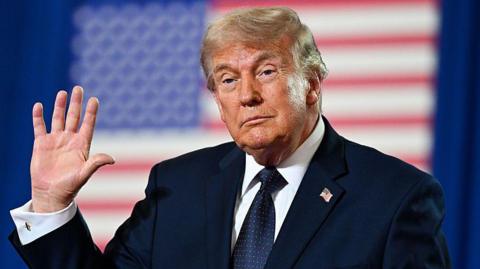
The U.S. move has sent shockwaves through the region, raising questions about the future of the ceasefire and the prospects for a broader agreement. Analysts, as quoted by Dainik Bhaskar, warn that the strikes could derail negotiations, though they also note that neither side appears ready to walk away from the table entirely. The U.S. has made it clear that any deal with Iran will not resemble the 2015 nuclear agreement brokered under the Obama administration, with Donald Trump’s administration insisting on stricter terms or no deal at all.
What the Strikes Targeted: Mines, Missiles, and the Strait of Hormuz
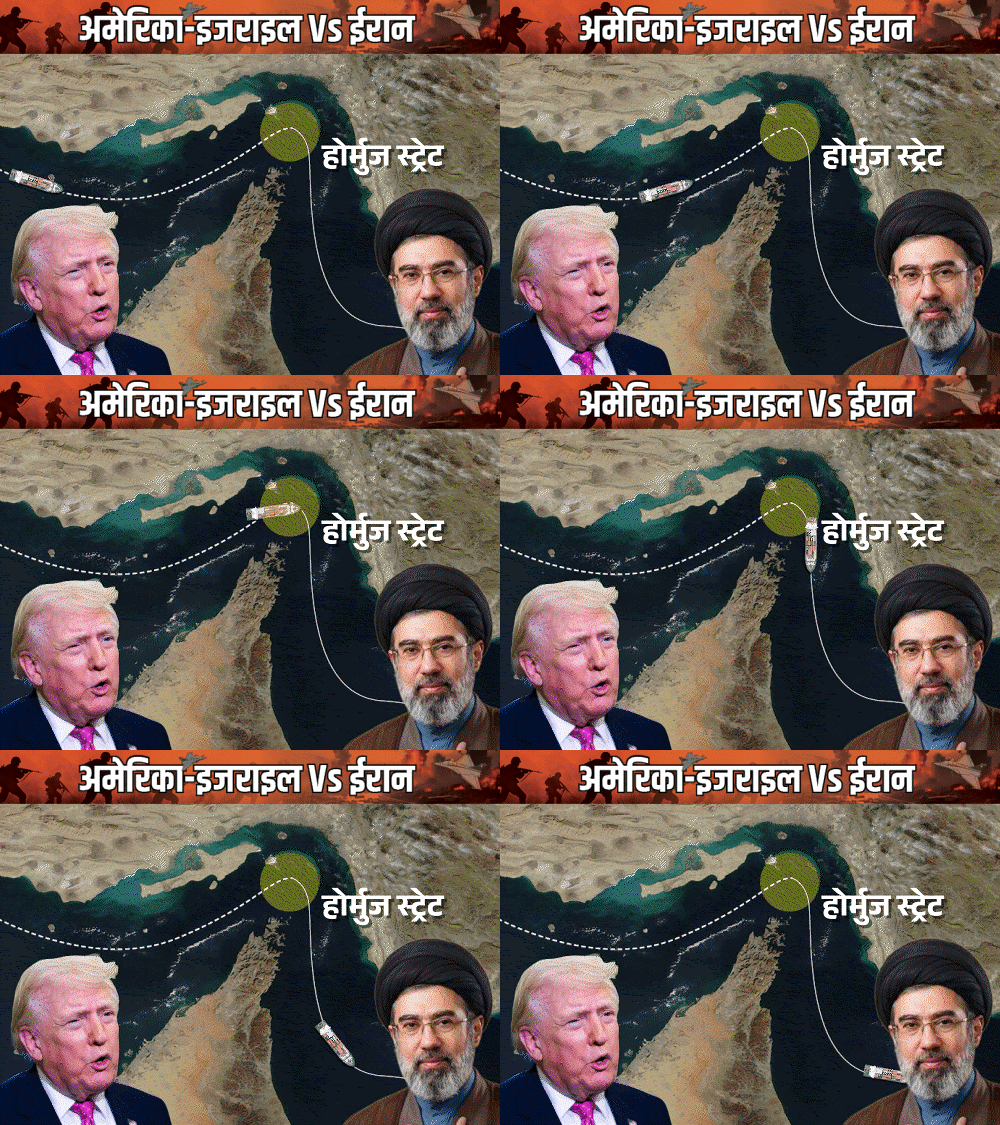
The U.S. strikes were not random acts of aggression but carefully calibrated responses to specific threats. The BBC and AajTak both report that the primary targets were two IRGC boats in the Strait of Hormuz, which U.S. officials claim were in the process of laying naval mines. These mines could have disrupted global shipping lanes, including those critical to U.S. allies in the region. Additionally, the U.S. military struck a surface-to-air missile site near Bandar Abbas, a move aimed at neutralizing a potential threat to American and allied aircraft operating in the area. The choice of targets is telling. By focusing on naval mines and missile defenses, the U.S. is sending a clear message: it will not tolerate actions that threaten the free flow of commerce or the safety of its forces. The Strait of Hormuz is one of the world’s most strategically vital waterways, with roughly 20% of global oil trade passing through it daily. Any disruption—whether through mining or missile strikes—would have severe economic and geopolitical consequences, not just for the U.S. but for the entire global economy.Iran’s response to the strikes has been measured, at least in public. While Iranian media reported explosions near Bandar Abbas and local officials were seen investigating the site, Tehran has not yet issued a formal statement or retaliatory action. This restraint could be a tactical move, allowing Iran to assess the situation before responding—or it could signal a desire to avoid further escalation, even as tensions remain high.
For more on this story, see Iran war live: Tehran plans tolls in Hormuz; Trump warns of ‘very bad time.
Diplomacy in Limbo: Will the Strikes Derail Nuclear Talks?
The U.S. strikes come at a delicate moment in nuclear negotiations between the two countries. According to Dainik Bhaskar, experts believe the strikes could introduce a significant hurdle to ongoing ceasefire talks, though neither side has yet pulled out of negotiations. The U.S. has made it clear that any agreement must address Iran’s nuclear program comprehensively, including sanctions relief and verification mechanisms. However, the recent strikes may have undermined Iran’s trust in the U.S.’s commitment to diplomacy. Iran’s foreign ministry spokesperson, Ismail Khatibi, had previously indicated that while there had been some progress in talks, no breakthrough was imminent. The strikes may now force Iran to reassess its approach, potentially leading to a more hardened stance in future negotiations. Meanwhile, the U.S. faces domestic pressure to demonstrate strength in dealing with Iran, particularly as the 2026 election cycle heats up.The stakes are high. A collapse in negotiations could push Iran further toward expanding its nuclear program, while a renewed cycle of hostilities risks destabilizing the entire Middle East. The U.S. strikes, while framed as defensive, have injected a new layer of uncertainty into the process. The question now is whether both sides can find a way to de-escalate—or if this latest confrontation will become the next flashpoint in a region already on edge.
This follows our earlier report, Mojtaba Khamenei Bans Uranium Export, Stalling U.S. Peace Talks.
Canada-India Trade Deal: A Distraction or a New Front?
Amid the escalating tensions in the Middle East, another major geopolitical development is unfolding on the other side of the globe. Canadian Prime Minister Justin Trudeau has announced that his government is in advanced talks with India to finalize a comprehensive free trade agreement by the end of 2026. According to BBC Hindi, Trudeau emphasized that such a deal would open up a vast new market for Canadian workers and businesses, with significant opportunities in energy, agriculture, technology, and education sectors. The announcement comes as part of a broader push by Canada to diversify its trade partnerships, particularly in light of global uncertainties. India, one of the world’s fastest-growing economies, represents a lucrative market for Canadian exports, including machinery, minerals, and food products. The two countries have set ambitious targets, including tripling bilateral trade by 2030.“We are in discussions with India on a free trade deal. This will be a major change for Canadian workers and businesses, opening up a vast new market.”