Germany’s offshore wind ambitions are unraveling faster than anyone expected. As of May 26, 2026, two of Europe’s largest energy firms—TotalEnergies and BP—are quietly abandoning billions in wind farm contracts in the North and Baltic Seas, citing network delays and economic uncertainty. The fallout threatens to derail a cornerstone of Germany’s energy transition, with industry insiders warning that the government’s rigid auction system now works against it.
Why Two Energy Giants Are Walking Away From Billions in Wind Farm Deals
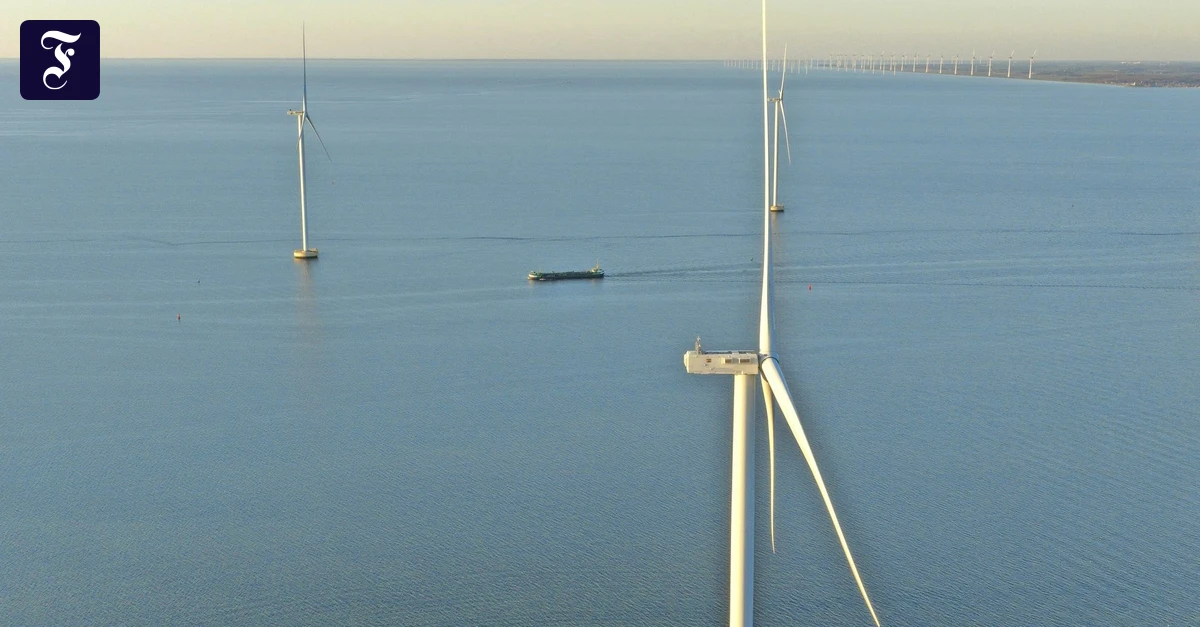
cluster (priority): tagesschau.de
TotalEnergies and BP, both major players in the global energy sector, have signaled in recent weeks that they may abandon or scale back their offshore wind projects in German waters. According to FOCUS online, TotalEnergies has secured offshore wind capacity rights totaling 7.5 gigawatts—more than the entire current offshore wind capacity operating off Germany’s coast—and BP holds rights to over 4 gigawatts. Yet, both companies are now questioning whether these projects can proceed under the current economic and regulatory conditions.
The core issue: grid connections. Offshore wind farms can only deliver power if underwater cables link them to the mainland grid. But as tagesschau.de reports, delays in building these connections have become a major stumbling block. TotalEnergies, in an internal document reviewed by the NDR and Süddeutsche Zeitung, explicitly states that “individual projects from the auction rounds of 2023 to 2025 are likely not to be realized.” The company attributes this to “delays in grid connections and changes in economic framework conditions.”
BP, meanwhile, has faced similar challenges. The company’s foray into offshore wind was met with skepticism from the start, especially after it spent billions securing rights in recent auctions. As the Frankfurter Allgemeine Zeitung (FAZ) notes, BP’s decision to invest heavily in offshore wind was initially seen as a strategic pivot away from fossil fuels. Yet, with rising interest rates, soaring construction costs, and a slower-than-expected shift to electrification, the economics of these projects have soured.
What makes this situation particularly fraught is that Germany’s auction system for offshore wind leases is designed for long-term commitment, not flexibility. Under current law, companies cannot simply return the leased areas. If they miss deadlines, the Federal Network Agency can revoke their projects—or worse, impose heavy penalties. This rigidity is now backfiring. The Bundesverband Windenergie Offshore (BWO) has even called for a new rule allowing companies to voluntarily return leased areas, with the government re-auctioning them as early as 2027.
The stakes could not be higher. Germany’s offshore wind capacity currently stands at less than 10 gigawatts. If TotalEnergies and BP pull out, the country risks falling short of its 2030 renewable energy targets. The implications for Europe’s energy security—and Germany’s climate goals—are profound.
The Grid Gamble: Why Network Delays Are the Real Crisis
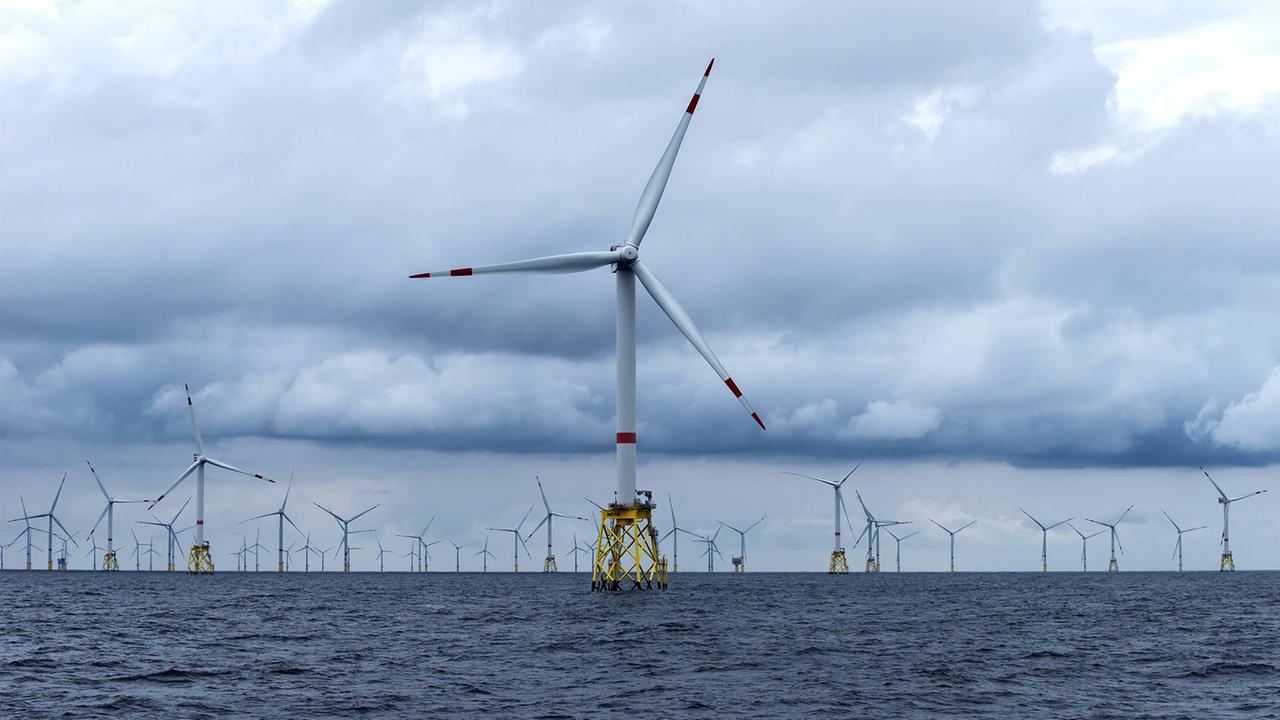
cluster (priority): WirtschaftsWoche
At the heart of the crisis lies a fundamental mismatch between ambition and infrastructure. Offshore wind farms require not just turbines and cables, but a robust and timely connection to the mainland grid. Yet, as both TotalEnergies and BP have pointed out, the network operators—chief among them Tennet—have struggled to keep pace.
Tennet, the Dutch-German transmission system operator, has repeatedly assured stakeholders that it is accelerating grid connection projects. However, the reality on the ground tells a different story. According to FOCUS online, companies like TotalEnergies are now facing delays that threaten to make their projects economically unviable. The company’s internal assessment warns that the current pace of grid expansion is insufficient to support the scale of offshore wind development planned for the next decade.
This is not just a German problem. Across Europe, grid bottlenecks are a growing concern for renewable energy projects. But in Germany, the issue is compounded by the country’s decentralized energy policy and the sheer scale of its offshore ambitions. The government’s push to phase out nuclear and coal power by 2030 relies heavily on offshore wind. If the grid cannot absorb the power generated, those ambitions risk becoming a mirage.
The question now is whether the government will act swiftly to address these bottlenecks—or whether the offshore wind sector will continue to hemorrhage investor confidence.
What TotalEnergies Wants—and Why It’s Asking for a Bailout
TotalEnergies wins bid for France's largest offshore wind farm • FRANCE 24 English
TotalEnergies’ position is particularly revealing. The company has already invested heavily in its German offshore wind projects, paying nearly 800 million euros upfront and posting a 750 million euro security deposit. Yet, as tagesschau.de reports, it now wants that deposit back—and more.
In an internal document obtained by NDR and Süddeutsche Zeitung, TotalEnergies outlines a plan to return its leased areas, arguing that the economic and regulatory environment has changed dramatically since it made its bids in 2023 and 2024. The company is essentially asking the German government to compensate it for its losses, including the costs of preliminary site investigations. This is a radical departure from the usual dynamic, where energy firms are expected to bear the risks of large-scale infrastructure projects.
What’s striking is the company’s blunt admission: “Our priority remains the development of the areas.” Yet, the subtext is clear—TotalEnergies is no longer willing to bet billions on projects that may never deliver a return. The company’s move is a direct challenge to the German government’s assumption that once a lease is signed, it is a done deal.
This raises a critical question: If TotalEnergies, a global energy giant, is walking away, who else might follow? The answer could reshape Germany’s energy landscape—and its climate strategy—far sooner than anyone anticipated.
The BWO’s Desperate Plea: Can Germany Fix Its Offshore Wind System?
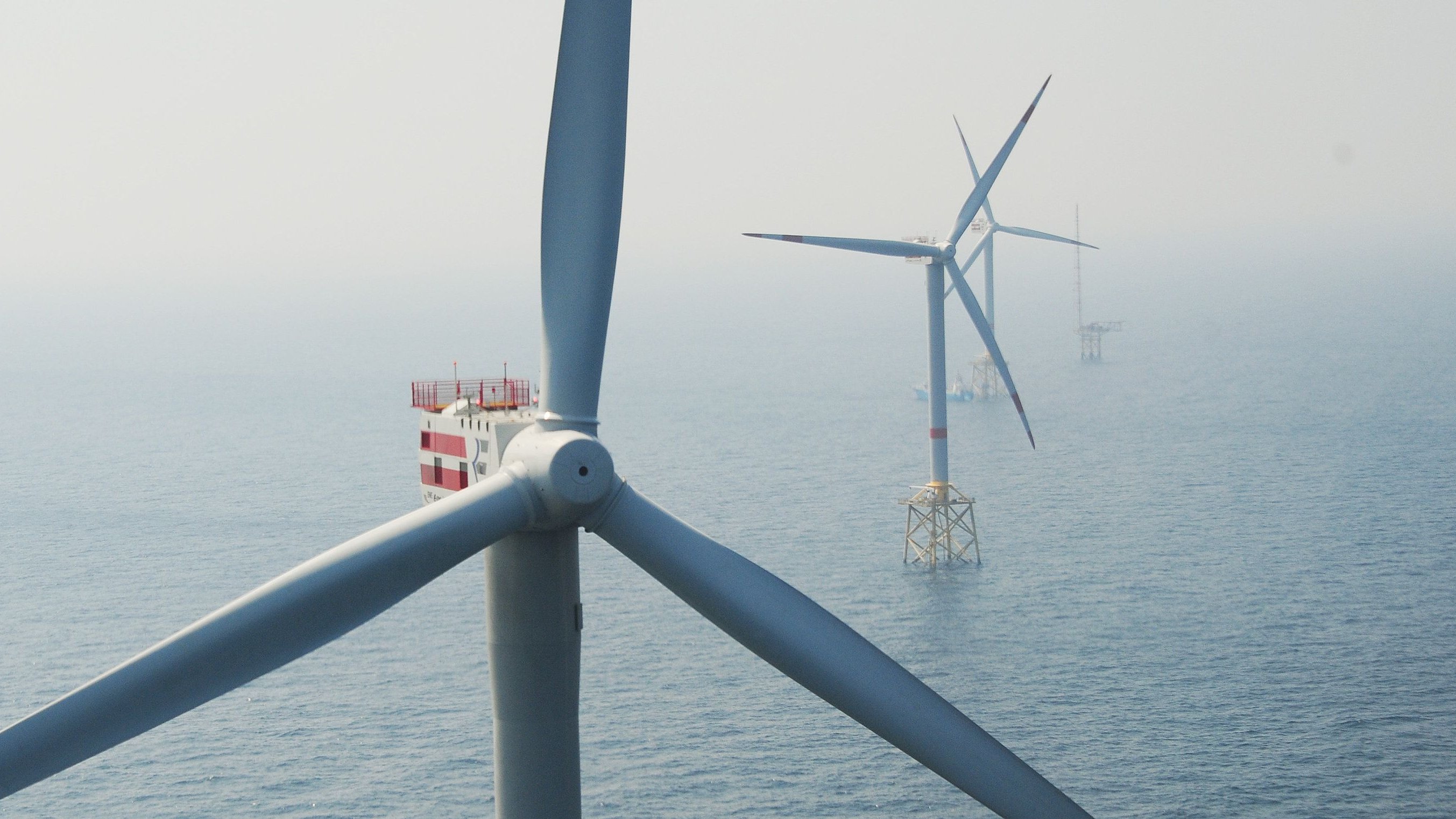
cluster (priority): FOCUS online
The Bundesverband Windenergie Offshore (BWO) has taken a bold step in response to the crisis. For the first time, the industry association is calling for a radical overhaul of Germany’s offshore wind auction system. As FOCUS online reports, the BWO is pushing for a mechanism that would allow companies to voluntarily return leased areas—without facing penalties. Instead, those areas could be re-auctioned as early as 2027, potentially attracting new investors with more favorable economic conditions.
This is a stark admission of failure. The current system was designed to incentivize long-term commitment to renewable energy. But as the economic and regulatory landscape has shifted, that commitment has become a liability. The BWO’s proposal is a tacit acknowledgment that the system is broken—and that Germany’s offshore wind ambitions are at risk unless drastic measures are taken.
The proposal also highlights a deeper tension: the government’s insistence on maintaining control over offshore wind development versus the market’s need for flexibility. If the BWO’s call is ignored, the consequences could be severe—not just for Germany’s energy transition, but for its reputation as a leader in renewable energy.
What Comes Next: The Clock Is Ticking
The next 12 months will be decisive. If TotalEnergies and BP follow through on their threats to abandon their projects, the impact on Germany’s energy sector could be catastrophic. The country’s offshore wind capacity would stagnate, delaying its transition away from fossil fuels and undermining its climate goals.
But there is a glimmer of hope. The BWO’s proposal, if adopted, could provide a lifeline. By allowing companies to return leased areas without penalty, the government could reopen the market to new players—perhaps those with more realistic expectations or better access to capital.
Yet, time is not on Germany’s side. The auction rounds of 2023 and 2024 have already locked in billions in commitments. If the current trend continues, the country’s offshore wind sector could face a perfect storm of economic uncertainty, regulatory rigidity, and grid bottlenecks. The question is whether Berlin will act in time—or whether the offshore wind dream will founder before it ever gets off the ground.
One thing is clear: the energy transition is not just about building wind farms. It’s about building the systems that make them viable. And right now, Germany’s offshore wind sector is failing that test.

,regionOfInterest=(1003,767)&hash=c0107aeb4c756041af48416f2aee815d44be91388a3791fa04e9652d751fa300 "cluster (priority): FOCUS online")
