

Samsung Electronics employees began voting this Friday, May 22, on a historic compensation agreement that provides an average bonus of approximately 290,000 euros for semiconductor division workers. The deal aims to prevent an 18-day general strike that threatened to disrupt the global supply chain for artificial intelligence hardware.
Formula for the AI-Linked Bonus
The new compensation structure is designed to distribute the massive windfall generated by the global artificial intelligence boom. Under the terms of the agreement, employees in the semiconductor division will receive a bonus equivalent to 10.5% of the department’s operating profit, paid primarily in company shares. This is supplemented by an additional 1.5% payout in cash.
For many, the financial impact is staggering. Based on a market expectation that the company’s annual operating profit will reach 331 trillion won, nearly 300,000 euros per person is the anticipated average. This translates to roughly 509 million won for each of the 78,000 employees covered by the plan.
This aggressive redistribution follows a period of explosive growth for the tech giant. Samsung’s operating profit for the first quarter surged by approximately 750% compared to the previous year, a growth spurt fueled by the intense demand for high-bandwidth memory (HBM) chips. These components are essential for training the large-scale models that power modern AI.
Averting a Massive Industrial Strike
The agreement was reached in extremis to head off an 18-day general strike that was scheduled to begin this past Thursday. Such a walkout would have paralyzed key production sites in Giheung, Hwaseong, and Pyeongtaek, creating ripple effects across the global semiconductor industry.
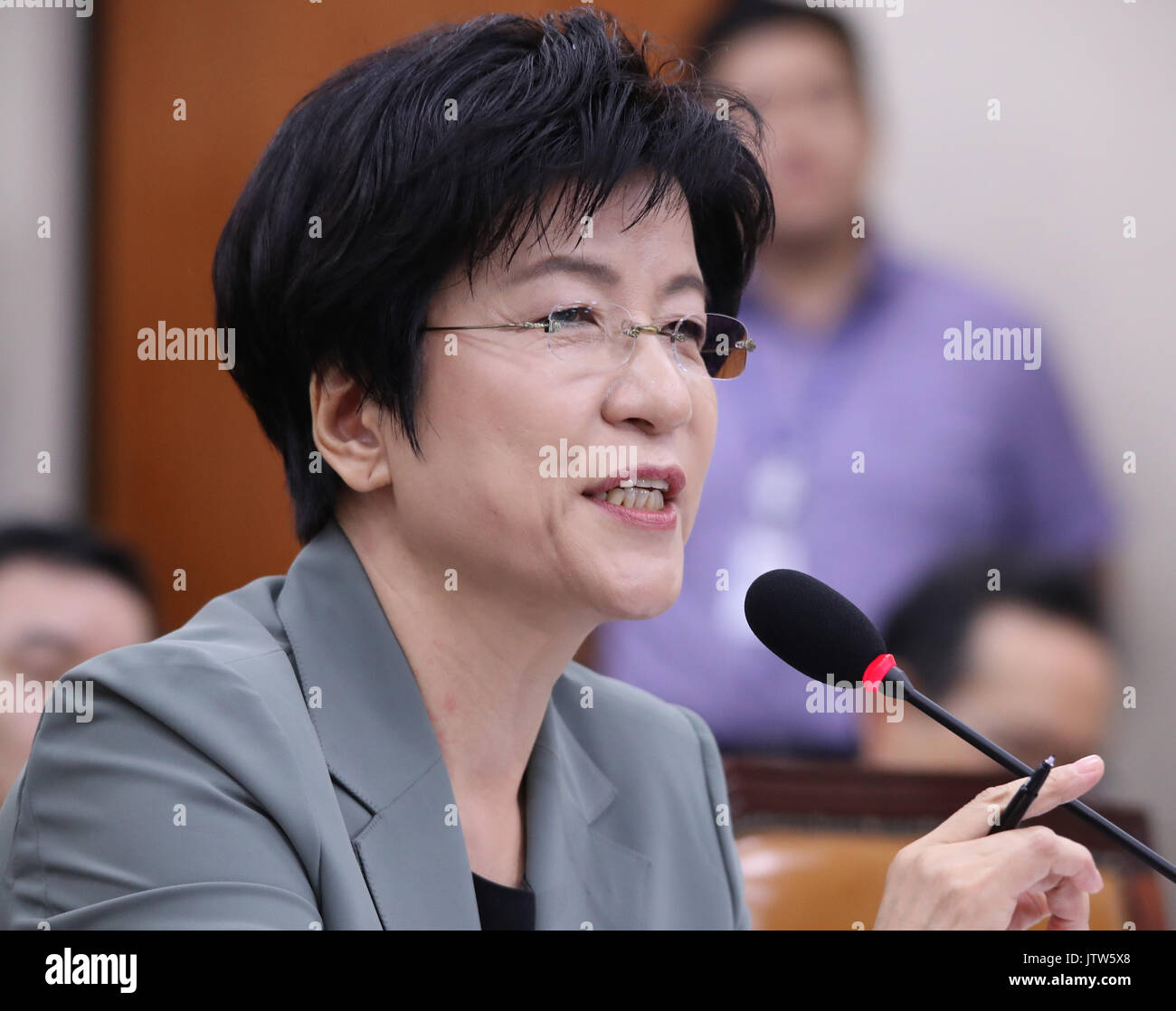
To prevent this industrial crisis, Labor Minister Kim Young-hoon personally intervened to mediate negotiations after discussions failed on Tuesday evening. The resulting compromise has shifted the focus to an electronic vote involving roughly 70,000 unionized members.
The voting process is expected to conclude on Wednesday, May 27. According to a union lawyer, the agreement will be
automatically ratified if more than half of the voters participate and if a majority of those voters approve it.
Economic Weight and the Global Talent War
The stability of Samsung is inextricably linked to the stability of the South Korean economy. The company accounts for approximately 12.5% of the national GDP, and its memory chip division represents more than one-third of the country’s total exports.

Beyond national economics, the bonus structure serves a strategic purpose in the global race for technical expertise. Analysts suggest that these substantial payouts are intended to prevent South Korea’s top engineering talent from being recruited by international competitors, such as American firms investing heavily in chip development.
However, the "AI dividend" is not being distributed equally across the corporate landscape. While Samsung’s semiconductor workers stand to gain significantly, the agreement has highlighted a widening gap between specialized divisions and the rest of the company. Some employees at SK Hynix, Samsung’s primary rival in the memory market, reportedly received bonuses more than three times higher than those at Samsung last year.
Internal Disparity and Legal Challenges
The decision to focus the windfall on the semiconductor division has ignited internal friction. A minority union, representing employees outside of the chip division, has already taken legal action to attempt to block the vote.

This group argues that the agreement disproportionately favors semiconductor workers at the expense of employees in other sectors of the company. They are reportedly seeking judicial confirmation to declare the vote invalid, citing the inequity of the proposed distribution.
As the voting concludes, the broader implications of this deal are being watched closely. The movement toward tying massive individual bonuses to specific technological booms—like the current AI surge—could set a new precedent for industrial relations across South Korea’s entire manufacturing sector.
