

FIFA is currently organizing the 2026 Men’s World Cup, which has expanded to 48 national teams across the United States, Canada, and Mexico, according to USA Today. The governing body, headquartered in Zurich, Switzerland, manages the tournament as the international regulator for association football, beach soccer, and futsal.
World Cup 2026 Expansion and Logistics
The 2026 Men’s World Cup represents the largest edition of the tournament, featuring 48 national teams across three continents, according to USA Today. This expansion increases the total number of matches from 64 in previous editions to 104. This expansion follows a pattern of growth for the organization’s major events; USA Today reports that the Women’s World Cup is scheduled to expand to 48 teams beginning with the 2031 edition.
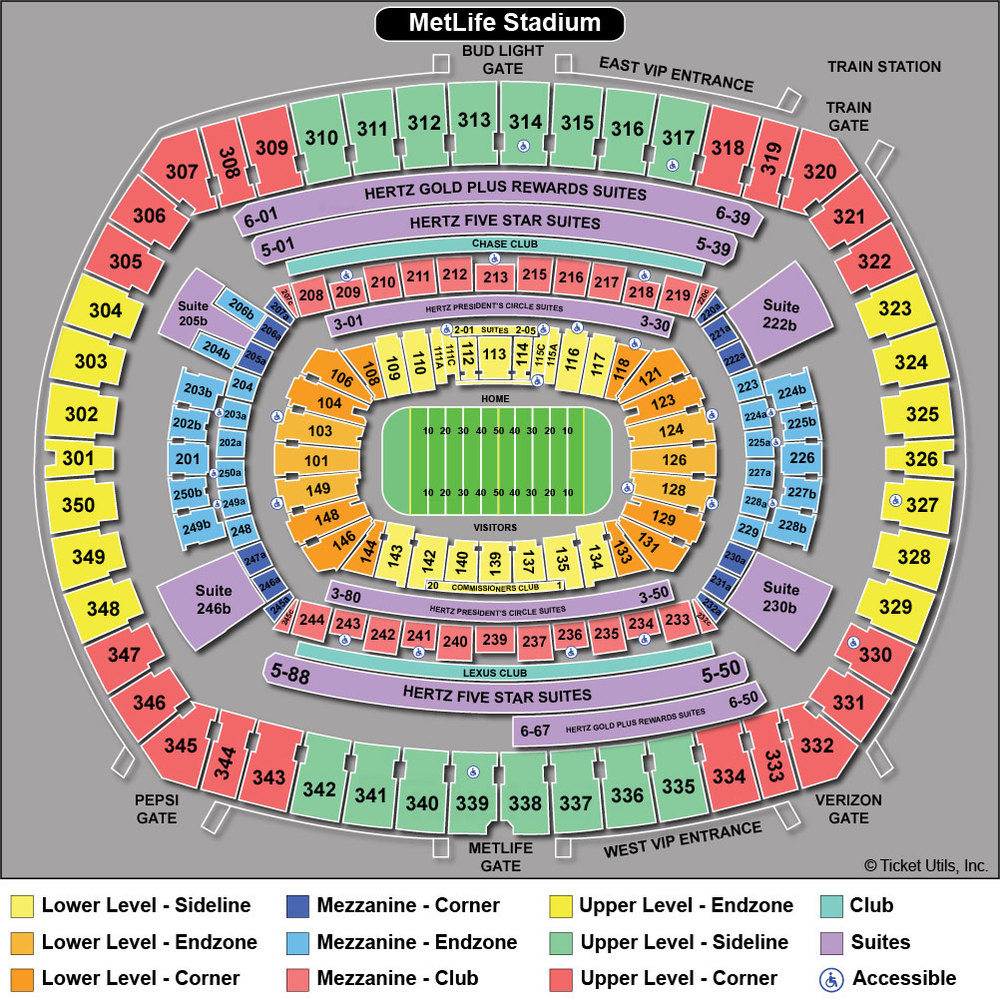
The tournament will be hosted across 16 cities: 11 in the United States, 3 in Mexico, and 2 in Canada. This multi-country arrangement marks the first time the World Cup has been hosted by three different nations. The final match is scheduled to take place at MetLife Stadium in East Rutherford, New Jersey.
In Los Angeles, the Host Committee has stated a commitment to ensuring the tournament experience is safe, inclusive, and welcoming. According to losangelesfwc26.com, the committee is collaborating with the Los Angeles County Commission on Human Relations on a multidimensional initiative designed to promote and protect human rights leading up to and during the event.
Leadership and Operational Shifts under Gianni Infantino
Gianni Infantino has served as the president of FIFA since 2016, according to USA Today. A law-trained administrator, Infantino spent 15 years at UEFA, the governing body for European soccer, before taking the presidency.

Under Infantino’s leadership, the organization has implemented several structural and technical changes. According to USA Today, these include:
- The expansion of the men’s World Cup.
- The introduction of a 32-team Club World Cup, scheduled to debut in 2025 in the United States.
- The implementation of Video Assistant Referees (VAR) to assist with close on-pitch decisions.
Institutional History and Financial Scale
FIFA was founded on May 21, 1904, in Paris by the national associations of Belgium, Denmark, France, the Netherlands, Spain, Sweden, and Switzerland, according to Wikipedia and USA Today. Robert Guérin served as the first president, and the organization later established its headquarters in Zurich, Switzerland, in 1954, according to USA Today.
For more on this story, see Motorola Razr FIFA Edition Launches for 2026 World Cup.
The governing body now comprises 211 national associations, which must be members of one of six regional confederations, according to Wikipedia. These confederations manage football within their respective geographic zones: the Asian Football Confederation (AFC), the Confederation of African Football (CAF), the Confederation of North, Central America and Caribbean Association Football (CONCACAF), the South American Football Confederation (CONMEBOL), the Oceania Football Confederation (OFC), and the Union of European Football Associations (UEFA).
Beyond tournament organization, FIFA works with the International Football Association Board (IFAB), the body responsible for determining the Laws of the Game. While FIFA is the global regulator, IFAB maintains the final authority on changes to the rules of football.
Financial records indicate significant revenue generation from sponsorships. Wikipedia reports that in 2022, FIFA recorded revenues exceeding US$5.8 billion. The organization ended the 2019–2022 cycle with cash reserves of over $3.9 billion and a net positive of $1.2 billion.
Pricing Disputes and Legal Controversies
The 2026 tournament has faced criticism regarding its financial accessibility. A fan group described FIFA’s ticket pricing strategy as extortionate, according to USA Today. The group’s calculations indicate that following a team through the entire tournament will cost nearly five times as much as it did during the 2022 World Cup.

The organization has a history of legal and ethical scrutiny. USA Today reports that in 2015, the FIFAgate scandal led to the indictment and arrest of several top officials by Swiss and U.S. authorities for offenses including racketeering and money laundering. These investigations were led largely by the U.S. Department of Justice, resulting in numerous guilty pleas and convictions of high-ranking officials within FIFA and CONCACAF.
Additionally, USA Today reports that Gianni Infantino has faced scrutiny over his handling of human rights issues during the 2022 World Cup in Qatar, as well as his close ties to political figures including Vladimir Putin and Donald Trump.
Find more reporting in our Technology section.
