Researchers identified ancient volcanic dust in an Antarctic ice core on May 26, 2026, suggesting the Ross Ice Shelf and West Antarctic Ice Sheet were significantly smaller during the Last Interglacial warm period. This evidence, published in Nature Geoscience, indicates that ice sheet retreat altered regional wind patterns and environmental conditions 129,000 years ago.
The data suggests a precarious precedent for the modern era. By tracing the chemical signatures of dust preserved in the ice, scientists discovered a stark transition: during colder periods, dust originating from South America dominated the record. However, during the warm interval between 129,000 and 116,000 years ago, this South American dust was replaced by volcanic material from nearby Antarctic ice-free regions.
This was not a subtle change. It was a systemic environmental pivot.
The presence of larger, coarse dust particles points toward a local source, signaling that the Ross Sea was more open and the surrounding land was exposed. According to a study from Columbia Climate School, this shift reflects significant changes in regional wind patterns caused by a major retreat of the West Antarctic Ice Sheet.
The Allan Hills Blue Ice Area findings
cluster (priority): dictionary.cambridge.org
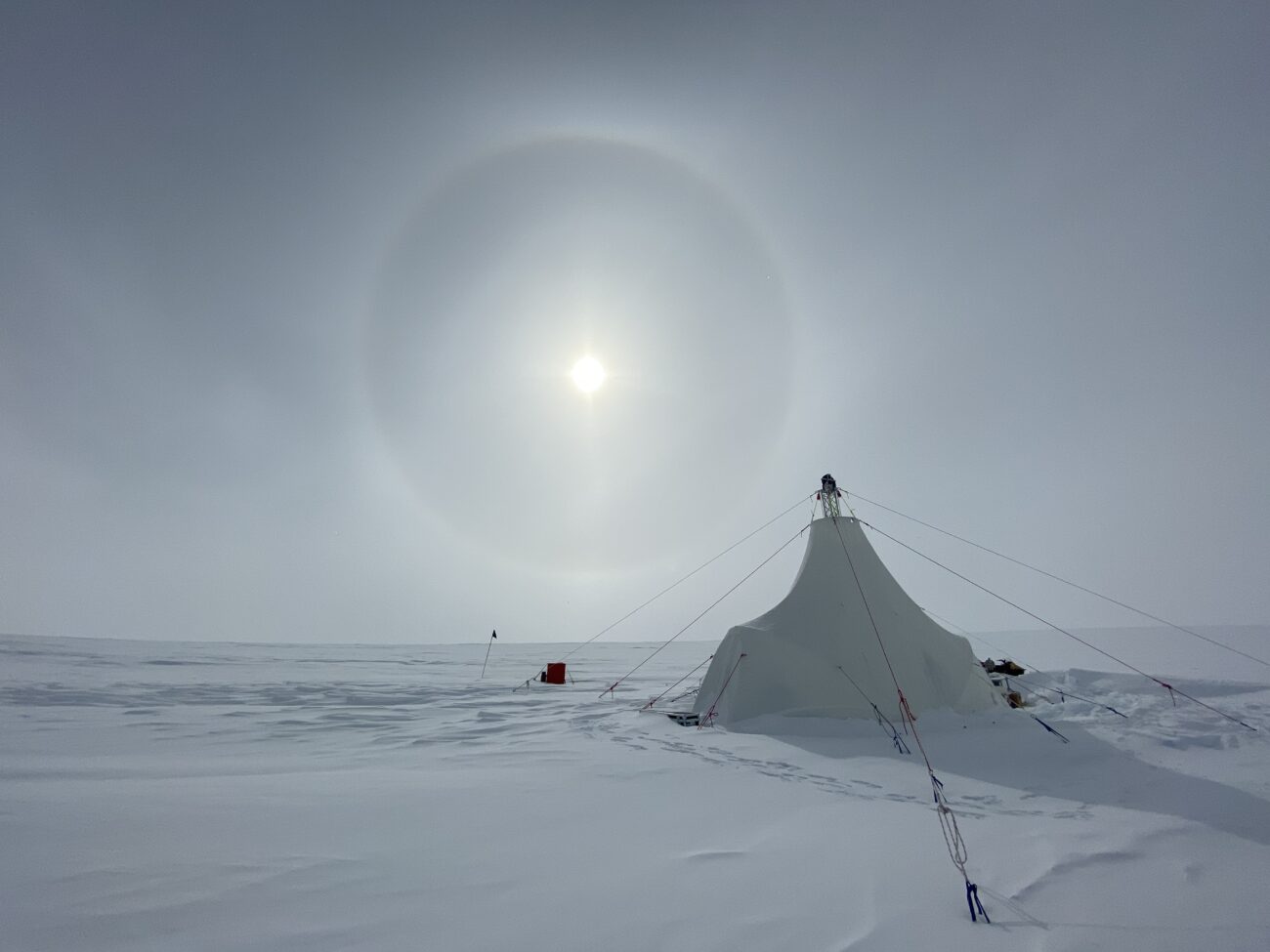
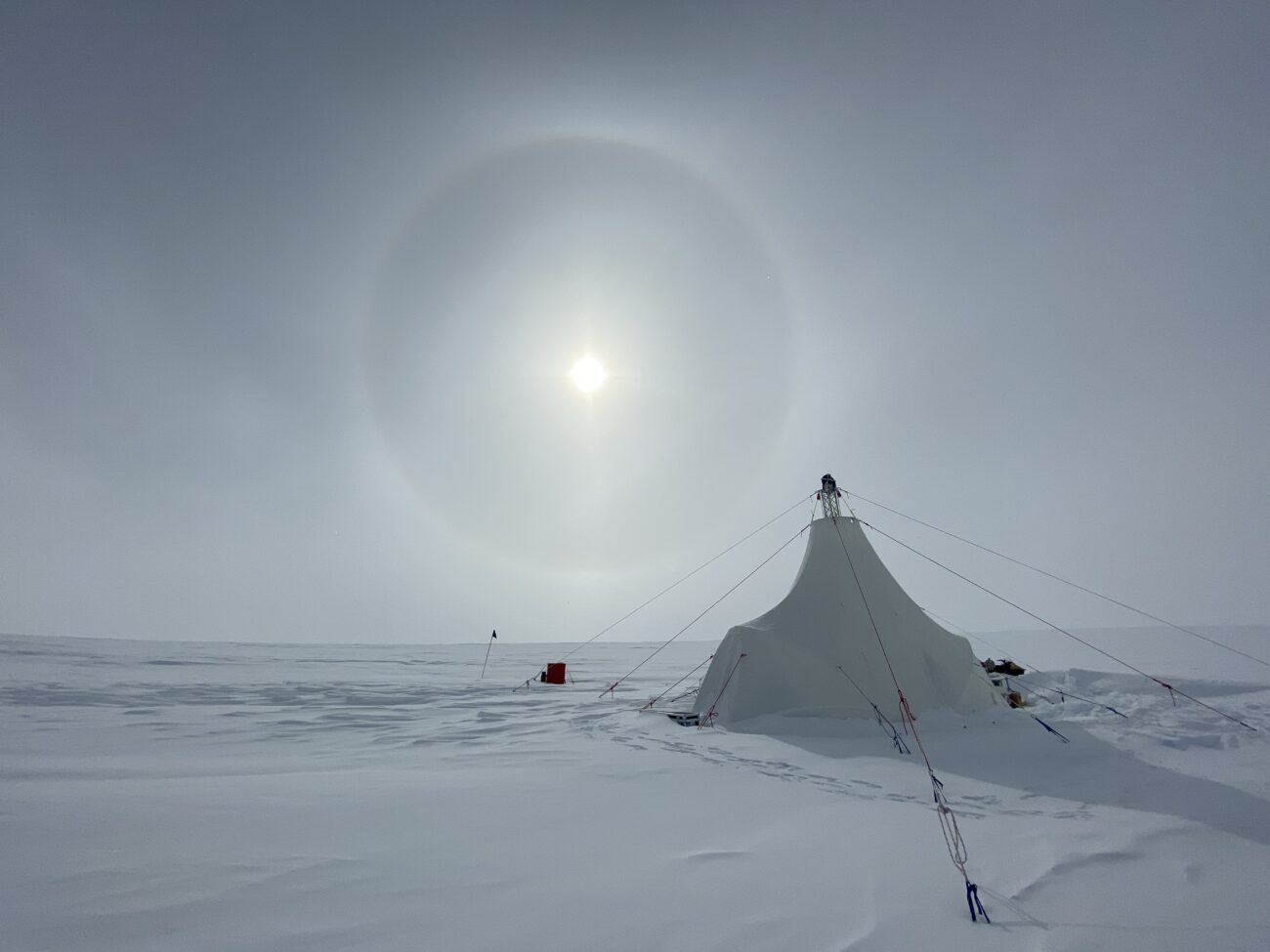
The evidence was extracted from an ice core drilled at the Allan Hills Blue Ice Area in East Antarctica. This site is strategically critical; it sits within approximately 60 miles (100 km) of the Ross Sea and near the margin of the East Antarctic Ice Sheet, making it an ideal sensor for coastal environmental shifts.
The “blue ice” phenomenon at this location is a geological shortcut. Through a combination of surface weathering and ice flow, very ancient ice—material from a remote period of history—is pushed unusually close to the surface, allowing researchers to access records that would otherwise be buried under kilometers of snow.
For the research team, the chemical composition of the dust acted as a forensic trail. The volcanic signature they uncovered was an anomaly that challenged previous assumptions about the region’s stability during past warm periods.
Sarah Aarons, geochemist at the Lamont-Doherty Earth Observatory
Sarah Aarons, an assistant professor in Columbia’s Department of Earth and Environmental Sciences, noted that the presence of volcanic rock material in the dust record suggested that portions of the Ross Sea region may have been entirely exposed during that warm interval.
The risk of 3 to 5 meters of sea-level rise
Ancient Stairway Found Leading to Antarctic Ice Wall
The implications of this retreat extend far beyond archaeological curiosity. The West Antarctic Ice Sheet is one of the most volatile components of the global climate system. If the patterns observed 129,000 years ago repeat, the consequences for global coastlines would be catastrophic.
Climate simulations support the findings from the ice core, underscoring the potential instability of the current ice sheet. The stakes are quantified in the following projections:
Historical Context: The Ross Ice Shelf and West Antarctic Ice Sheet were “far smaller” during the Last Interglacial period.
Current Vulnerability: Modeling suggests that a full melt of the West Antarctic Ice Sheet could trigger a global sea-level rise of 3 to 5 meters.
Environmental Driver: The shift from South American dust to local volcanic dust confirms a major retreat of ice and a change in wind patterns.
A three-to-five-meter rise would redraw the maps of every coastal city on Earth. The fact that this happened during a previous warm period proves that the West Antarctic Ice Sheet is not a permanent fixture, but a responsive one.
cluster (priority): news.climate.columbia.edu
The research effectively turns dust into a proxy for geography. When the climate is cold, wind patterns carry fine dust from South America across the ocean to Antarctica. When the climate warms and the ice retreats, the wind patterns shift, and the exposed, ice-free volcanic land around the Ross Sea begins to contribute its own coarse debris to the ice record.
This transition indicates a more open Ross Sea, which alters how heat and nutrients move through the Southern Ocean. The study provides a empirical baseline for how the region reacts to warming, moving the conversation from theoretical modeling to evidence-based history.
Sarah Aarons, geochemist at the Lamont-Doherty Earth Observatory
As global temperatures continue to climb, the “perplexing” volcanic signatures of the past serve as a warning. The West Antarctic Ice Sheet has retreated before; the evidence is literally frozen in the hills of East Antarctica, waiting for the current climate to catch up to the Last Interglacial.