
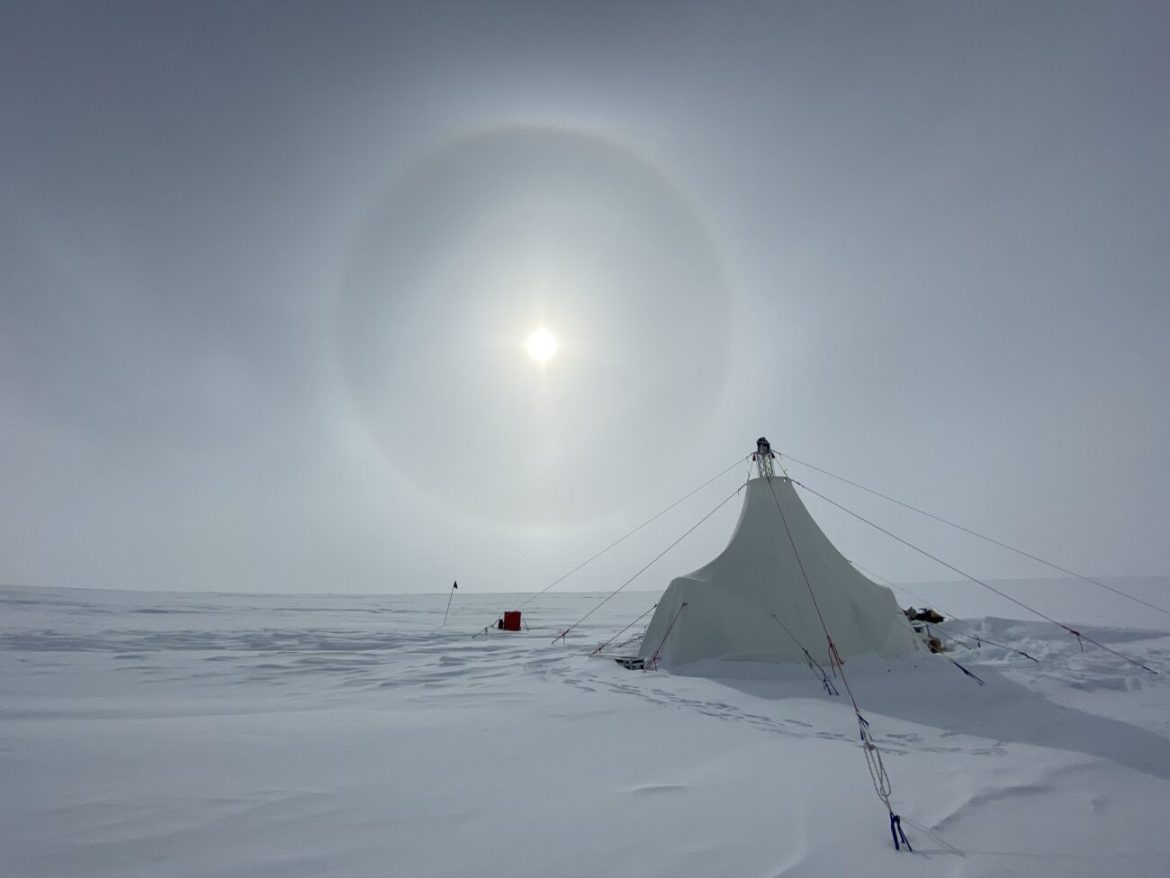
Researchers identified ancient volcanic dust in an Antarctic ice core on May 26, 2026, suggesting the Ross Ice Shelf and West Antarctic Ice Sheet were significantly smaller during the Last Interglacial warm period. This evidence, published in Nature Geoscience, indicates that ice sheet retreat altered regional wind patterns and environmental conditions 129,000 years ago.
The Allan Hills Blue Ice Area findings

Sarah Aarons, geochemist at the Lamont-Doherty Earth ObservatorySarah Aarons, an assistant professor in Columbia’s Department of Earth and Environmental Sciences, noted that the presence of volcanic rock material in the dust record suggested that portions of the Ross Sea region may have been entirely exposed during that warm interval.
The risk of 3 to 5 meters of sea-level rise
- Historical Context: The Ross Ice Shelf and West Antarctic Ice Sheet were “far smaller” during the Last Interglacial period.
- Current Vulnerability: Modeling suggests that a full melt of the West Antarctic Ice Sheet could trigger a global sea-level rise of 3 to 5 meters.
- Environmental Driver: The shift from South American dust to local volcanic dust confirms a major retreat of ice and a change in wind patterns.
Reconstructing the Ross Sea environment
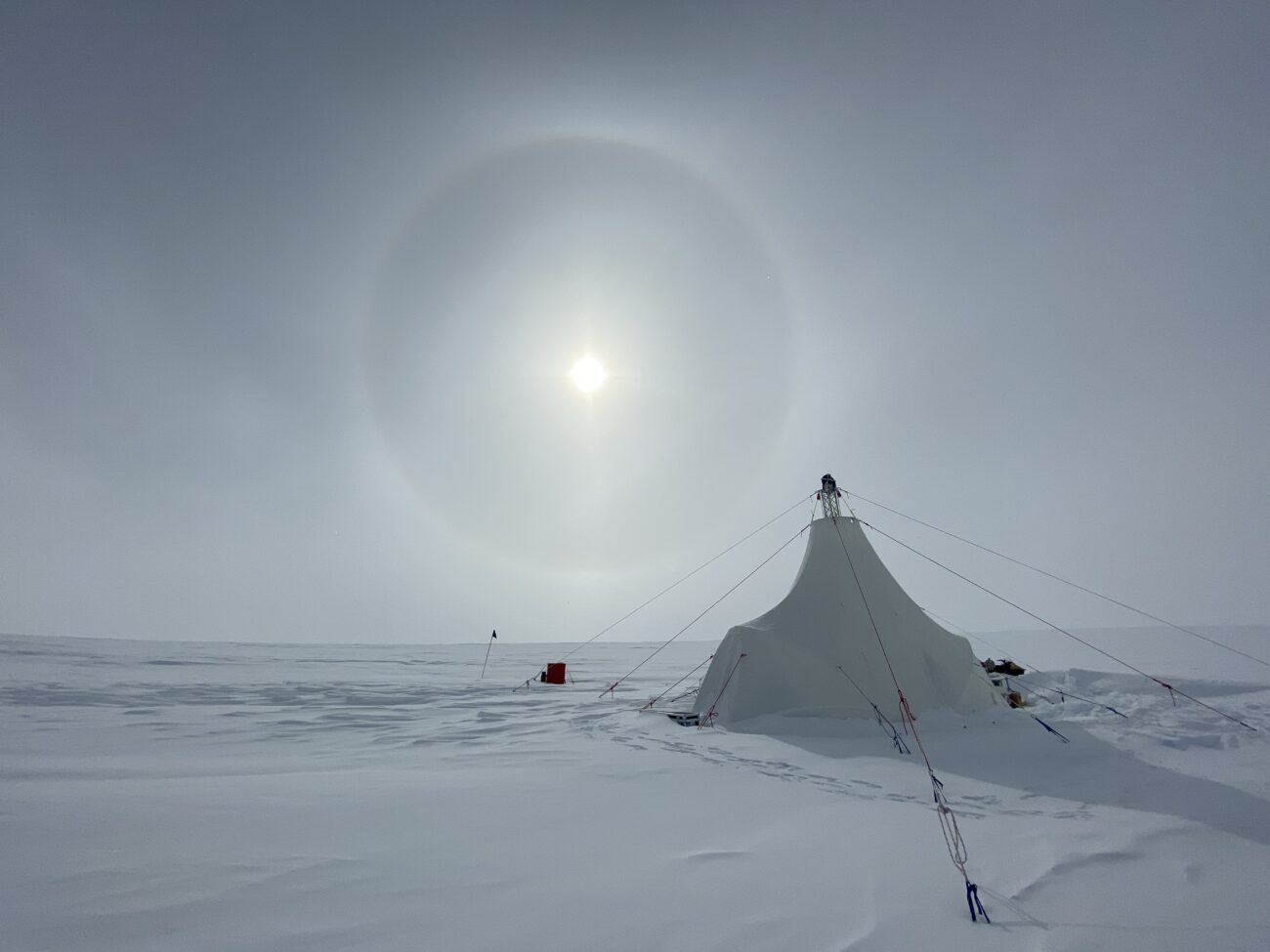
Sarah Aarons, geochemist at the Lamont-Doherty Earth ObservatoryAs global temperatures continue to climb, the “perplexing” volcanic signatures of the past serve as a warning. The West Antarctic Ice Sheet has retreated before; the evidence is literally frozen in the hills of East Antarctica, waiting for the current climate to catch up to the Last Interglacial.