U.S. Military Strikes Follow Apache Helicopter Crash
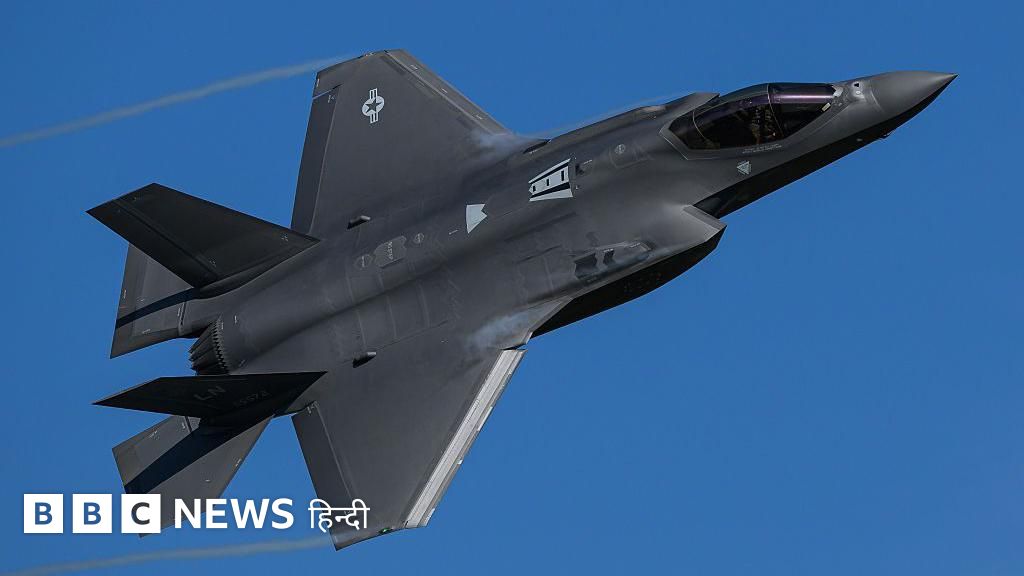
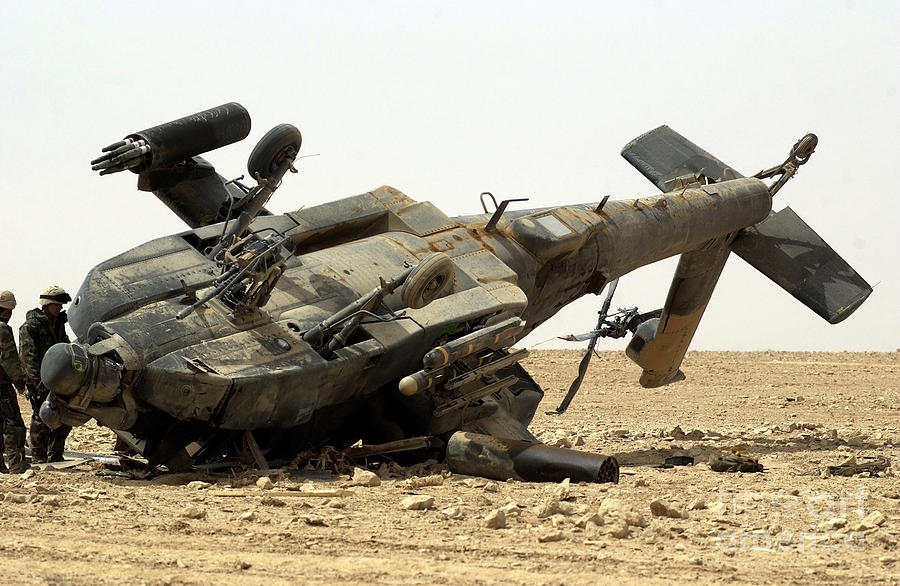
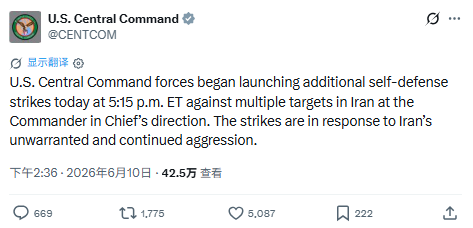
U.S. Central Command (CENTCOM) confirmed that military forces initiated “defensive strikes” against several Iranian targets at 5:15 p.m. ET on Wednesday. This follows a Tuesday night operation where U.S. forces targeted Iranian radar and air defense systems. According to reports, those initial strikes were a direct response to the downing of an AH-64 Apache helicopter patrolling near the coast of Oman. While the exact cause of the helicopter’s crash remains under investigation, U.S. officials told the Associated Press that the aircraft may have collided with an Iranian drone. The incident has significantly heightened the risk of a broader conflict in the Strait of Hormuz.The AH-64 Apache is a primary attack helicopter used by the U.S. Army for close air support and reconnaissance missions. Investigations into downed aircraft in contested or disputed waters typically involve a multi-agency review to determine if the cause was mechanical failure, environmental factors, or hostile action. The proximity of the crash to the Iranian coast complicates these efforts, as the area is heavily monitored by both U.S. and Iranian surveillance assets.
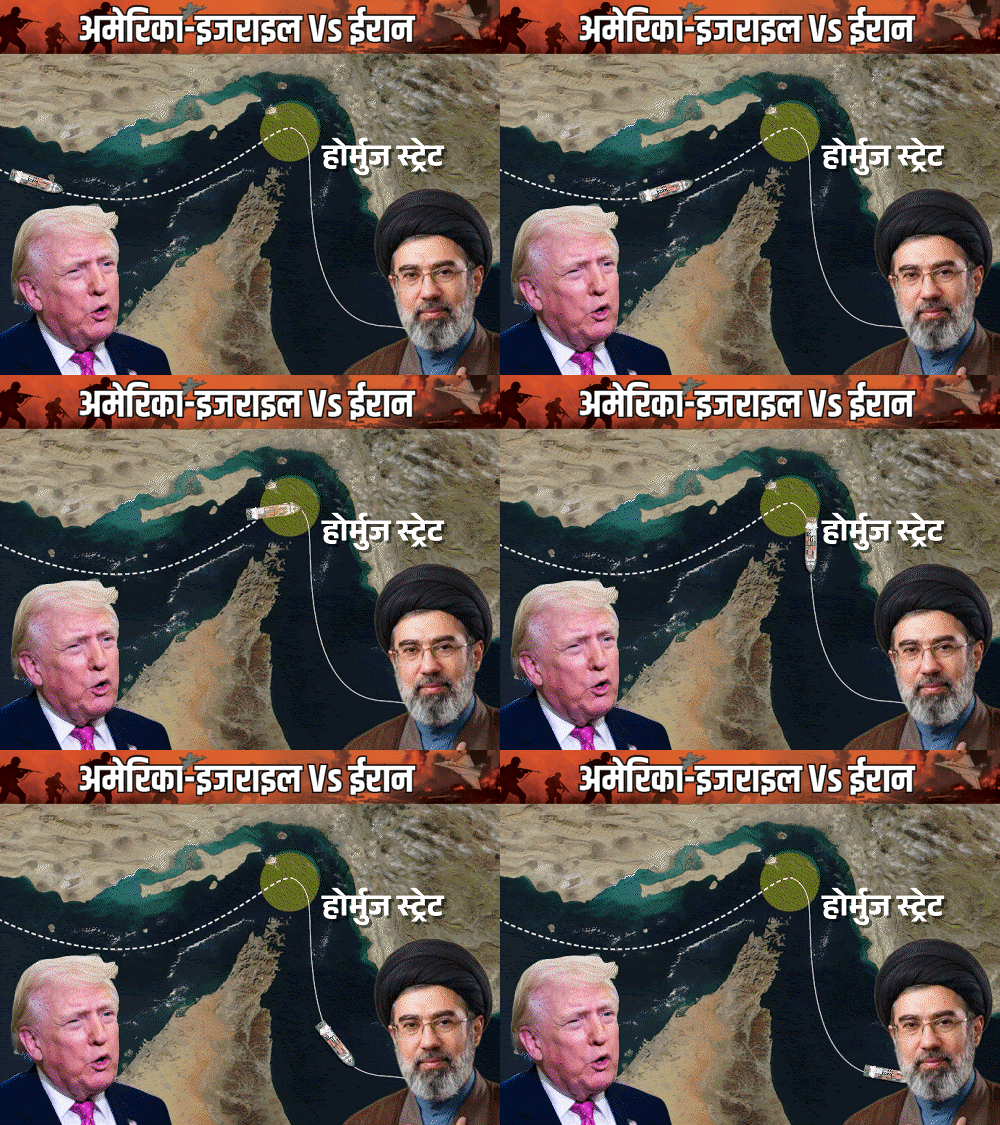
The Strait of Hormuz is one of the world’s most vital maritime transit points. Because a significant portion of the global oil supply passes through this narrow waterway, any military activity that threatens the safety of commercial shipping immediately impacts global energy security and market stability.
Iranian Retaliation and Warnings of Regional Expansion
Iran responded to the U.S. military actions with immediate counter-strikes. The Iranian military and the Islamic Revolutionary Guard Corps (IRGC) targeted various U.S. bases throughout the Middle East. As Xinhua reported, the IRGC conducted a drone attack against a U.S. Fifth Fleet facility located in Bahrain.The Islamic Revolutionary Guard Corps (IRGC) functions as a parallel military force to Iran’s regular army, tasked with protecting the country’s Islamic system and maintaining its influence abroad. The IRGC is known for its asymmetric warfare capabilities and its significant role in maritime operations. The U.S. Fifth Fleet, headquartered in Bahrain, serves as the primary maritime command for U.S. naval forces in the Middle East, overseeing security in the Persian Gulf, the Gulf of Oman, and the Red Sea.

“This time, the war will not be limited to the region.”
For more on this story, see US-Iran Tensions Escalate After Drone Attacks on Jordan Base.
Ebrahim Azizi, Chairman of the Iranian Parliament’s National Security Committee, via Truth Social Azizi’s warning suggests that Tehran may look beyond the Middle East to target U.S. interests, a move that could fundamentally change the scope of the current hostilities.The Strategic Dilemma: “Controlled Confrontation” or Escalation?
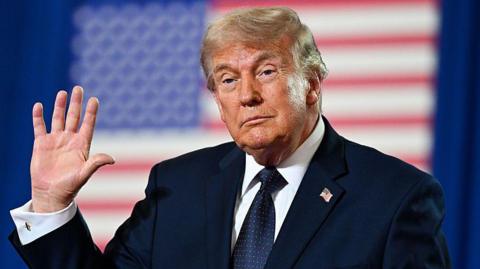
The current cycle of violence highlights a difficult balancing act for the Trump administration. While the President has signaled a desire for a lasting agreement, he has simultaneously utilized military force to increase pressure on Tehran. President Trump’s recent statements underscore this aggressive posture. While signing the Secure America Act at the White House, he emphasized that the U.S. would not hesitate to use force.“We hit them hard yesterday, and today we will hit them again. We will attack them, and we will attack them very heavily.”
Market Volatility Amid Middle East Tensions
The rapid escalation has sent shockwaves through global financial markets. Investors are reacting to the possibility of a wider conflict that could disrupt critical shipping lanes.- International oil prices have continued to climb as the risk to the Strait of Hormuz grows.
- U.S. stock futures have faced significant declines amid heightened geopolitical uncertainty.
- Gold prices saw a sharp movement, dropping below the 4050 level.
The volatility in energy markets is directly linked to the security of the Persian Gulf, where a large portion of the world’s liquefied natural gas and crude oil is transported. In times of geopolitical uncertainty, investors often seek “safe-haven” assets. Gold is traditionally viewed as a hedge against economic and political instability, though its value remains sensitive to broader market trends and central bank policies.
As both sides continue to exchange blows, the primary question remains whether these strikes will lead to a renewed diplomatic breakthrough or a descent into a prolonged regional war.Find more reporting in our World section.