
Iran’s New Air Defense System Demonstrates Deterrence in the Persian Gulf
Iran’s state media announced on Monday that its forces had intercepted a “hostile drone” over the Persian Gulf near Qeshm Island, using a domestically developed air defense system called the Arash-e Kamangir. The system, described as possessing “hidden capabilities,” marked a new layer of military deterrence in one of the world’s most critical oil shipping routes. An unnamed Iranian official quoted by Fars news agency issued a blunt warning: “This is our warning; no radar-evading drone shall ever again breach the skies of the Persian Gulf.” The incident follows a May 6 interception of “small drones and reconnaissance drones” near the same island, signaling heightened tensions in the region.
The drone’s origin remains unconfirmed, but the timing is telling. Iranian authorities have framed the downing as a defensive move, yet the Strait of Hormuz has been a persistent flashpoint in the US-Iran standoff. Shipping traffic continued normally during the incident, according to Fars, but the message to adversaries—whether state actors or proxies—could not be clearer.
The Strait of Hormuz is not just a waterway; it is the world’s most strategically sensitive chokepoint for oil shipments. Any disruption, whether by drone, missile, or mine, sends shockwaves through global energy markets. Iran’s display of its new air defense system is both a technological flex and a direct challenge to any foreign power attempting to project force in the region. The question now is whether this incident will be seen as a provocation or a necessary precaution in an already volatile environment.
US Military Action in Iran Raises Questions About Ceasefire Stability
 "cluster (priority): Firstpost")
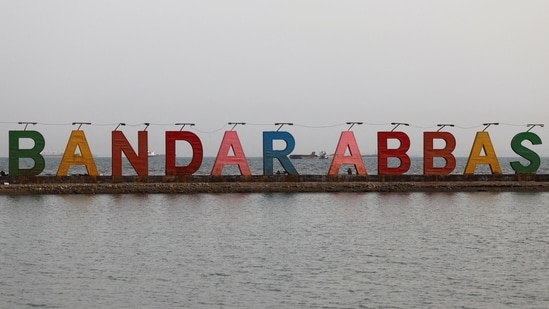
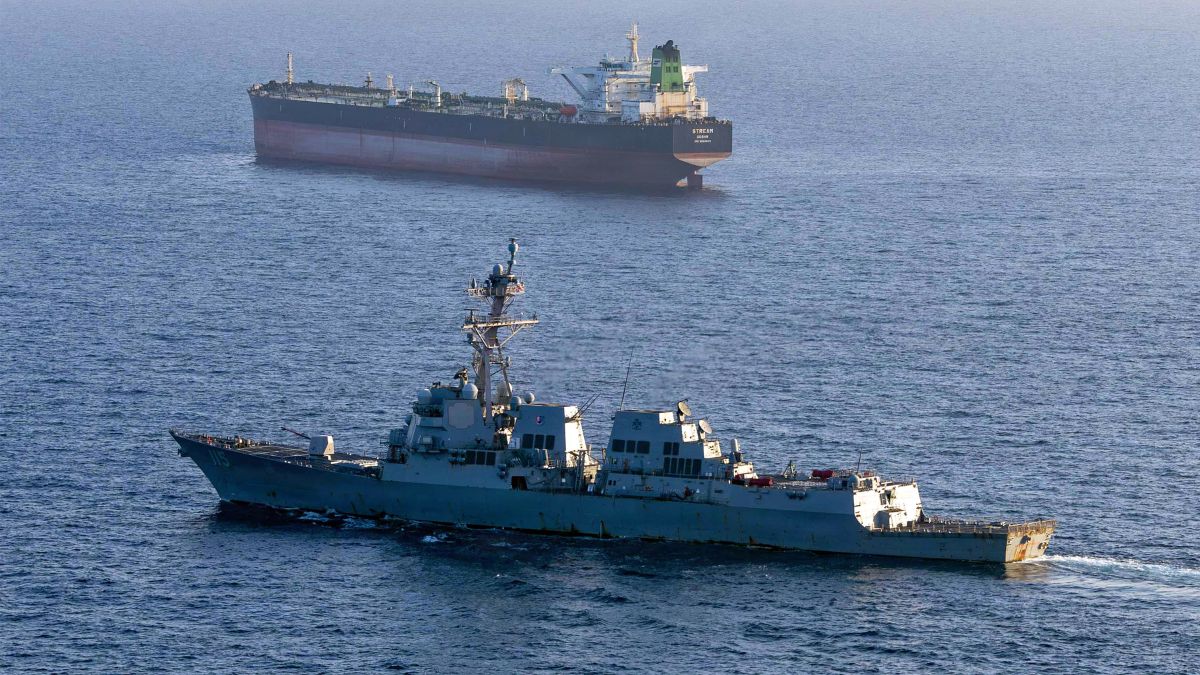
While Iran was focusing on its drone downing, the US Central Command (CENTCOM) announced that American forces had conducted “self-defense strikes” in southern Iran. The strikes targeted missile launch boats and Iranian vessels attempting to lay mines, according to CENTCOM. The command emphasized that the military would defend its forces “while urging restraint during the ongoing ceasefire.” The explosions heard in Bandar Abbas and nearby coastal areas near the Strait of Hormuz align with the reported strikes, though Iranian media did not immediately attribute the blasts to US action.
The strikes come at a pivotal moment in US-Iran negotiations. Just hours before the military actions, US officials had hinted that a deal was “pretty solid” and “fully negotiated yet,” with a framework for a 60-day negotiation period on Iran’s nuclear program and the Strait of Hormuz. Yet, President Donald Trump’s statement on Monday cast doubt on the deal’s imminent conclusion. “The deal with Iran will either be great and meaningful, or there will be no deal,” Trump wrote on Truth Social, adding that the outlines remained unfinished.
The contradiction between Trump’s skepticism and the optimism of his diplomats underscores the fragility of the peace process. The US naval blockade on Iranian ports remains in place during talks, a move that could be seen as both a security measure and a negotiating tactic. The risk is clear: any misstep, whether in diplomacy or military action, could unravel the fragile ceasefire and push the region closer to open conflict.
Doha Negotiations Face Critical Deadline Amid Competing Signals
Negotiations in Doha are the last chance for a breakthrough. Iranian negotiators, including top official Mohammad Bagher Ghalibaf and Foreign Minister Abbas Araghchi, are in Qatar for talks with Qatar’s prime minister. The Iranian delegation also includes the central bank governor, a sign that the release of frozen assets is a key sticking point. US State Secretary Marco Rubio has stated that the delay in Tehran’s response is due to an internal decision-making process, but he remains hopeful that a deal could be announced as early as Monday.
The proposed framework would give negotiators 60 days to reach an overall agreement, with the Strait of Hormuz and Iran’s nuclear program as major sticking points. Yet, the clock is ticking. US media reports suggest that the final pen-to-paper moment could take days, not hours. The stakes could not be higher: a deal would ease global energy markets and reduce the risk of a wider regional conflict, while failure could plunge the world into a new phase of instability.
The irony is that both sides claim progress has been made. Iran’s drone downing and the US strikes are not just military actions; they are also diplomatic signals. Tehran is demonstrating its ability to defend its airspace, while Washington is reminding Iran of the consequences of provocation. The challenge for negotiators is to translate these signals into concrete terms that satisfy both sides.
The Next 72 Hours Will Determine Whether Diplomacy or Conflict Prevails

The next 72 hours will be decisive. If a deal is announced, it will likely be framed as a victory for diplomacy over confrontation. If not, the world will be left with a choice: escalate or retreat. The US naval blockade on Iranian ports will remain in place, a reminder that the military option is always on the table. Meanwhile, Iran’s newly demonstrated air defense capabilities send a message that it will not be intimidated.
For now, the Strait of Hormuz remains calm, but the undercurrent of tension is palpable. The question is whether the parties can turn their military posturing into a lasting peace agreement, or if the region is heading toward a new phase of conflict. One thing is certain: the world is watching, and the consequences of failure would be felt far beyond the Persian Gulf.
The stakes are not just regional. A US-Iran deal would have global implications, from energy markets to nuclear non-proliferation. The failure to reach an agreement, on the other hand, could trigger a cascade of events that no one can predict. The countdown is on, and the clock is ticking.
“The deal with Iran will either be great and meaningful one, or there will be no deal.”
Donald Trump, via Truth Social
“This is our warning; no radar-evading drone shall ever again breach the skies of the Persian Gulf.”
