
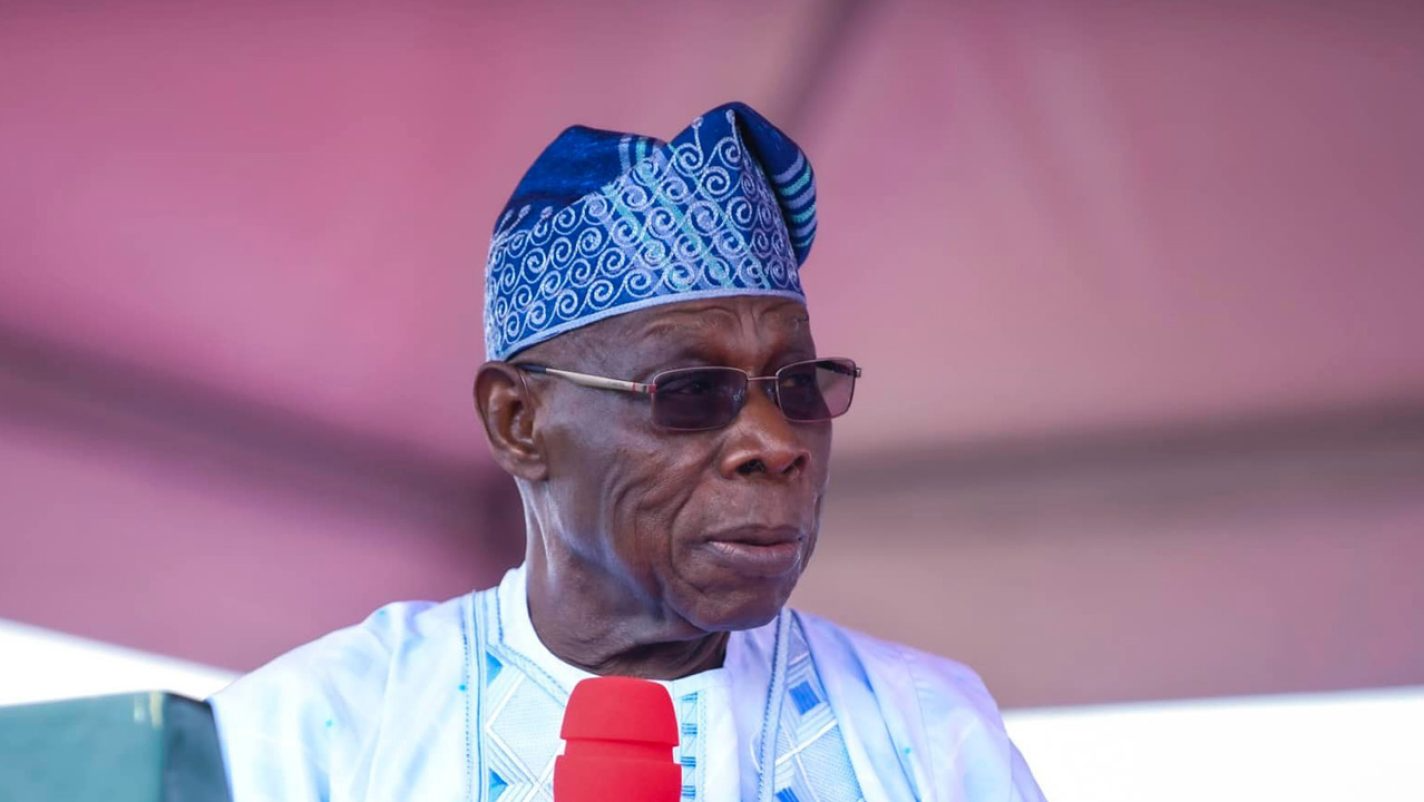
On May 14, 2026, in Kigali, Rwanda, four of Africa’s most influential statesmen—former Nigerian President Olusegun Obasanjo, Ghana’s John Dramani Mahama, Liberia’s Ellen Johnson Sirleaf, and Ethiopia’s Hailemariam Desalegn—unveiled the Sankoree Institute of Global Negotiators (SIGN), a landmark initiative to professionalize Africa’s sovereign negotiation capabilities. The institute, launched under the Accra Reset Sovereignty Agenda, aims to reverse decades of disadvantage in high-stakes deals worth hundreds of billions of dollars annually, from mining concessions to sovereign debt restructuring.
Why Africa’s Negotiators Have Been Losing for Decades
African governments negotiate billions in critical agreements every year—mining contracts, debt restructurings, trade deals, and climate finance—but too often walk away with terms that favor multinational corporations and foreign governments. The imbalance is stark: while Western firms arrive at the table with dedicated deal teams, institutional memory spanning decades, and AI-driven scenario modeling, African delegations have historically relied on individual talent without systematic preparation or access to comparable tools. The consequences, as the founders of SIGN put it, have been “devastating”: unfavourable stabilisation clauses in mining deals, lopsided debt terms, and technology transfer provisions that are often unenforceable.

Reporting on previous sovereign agreements highlights the specific failure of “stabilisation clauses,” which often freeze the fiscal and regulatory regime for decades, preventing African states from updating environmental laws or increasing royalty rates as mineral prices rise. In the context of critical minerals—including cobalt, lithium, and graphite—the founders noted that negotiators often lack the data to push for “beneficiation” or local value-addition requirements, resulting in the export of raw ores with minimal domestic economic capture. In debt restructuring, the lack of a unified, professionalized approach has often left nations navigating the G20 Common Framework for Debt Treatments with fragmented strategies, leading to prolonged defaults or predatory lending terms.
“SIGN treats negotiation as a profession with its own discipline rather than an incidental skill acquired through on-the-job exposure.”
—Founders of the Sankoree Institute of Global Negotiators, via Standard Media
A New Playbook for the Negotiation Table
SIGN is designed to close this gap. The institute, headquartered at the Africa School of Governance’s Kigali campus, will offer a structured credentialing programme for public officials, technical advisers, and sector experts. At its core are “Deal Labs”—practical negotiation simulations based on real-world scenarios, from critical minerals agreements to sovereign debt restructuring. Participants will role-play both sovereign and counterparty roles, preparing them for the complexities of high-stakes diplomacy.
These Deal Labs are specifically designed to address the “asymmetry of information” that often plagues bilateral talks. For example, simulations include the negotiation of Power Purchase Agreements (PPAs) for large-scale energy projects, where negotiators practice challenging the “take-or-pay” clauses that frequently burden national budgets when energy demand falls short of projections. The curriculum focuses on moving beyond “zero-sum” thinking toward “value-creation” strategies that ensure long-term sovereign benefits.
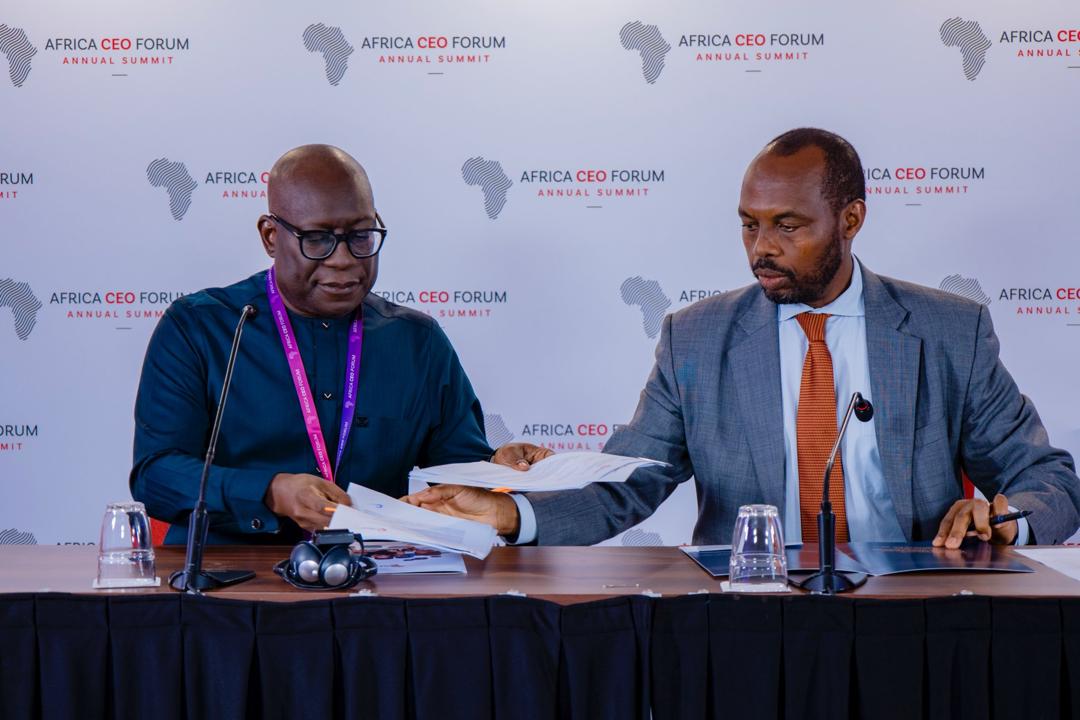
To support this hands-on training, SIGN will deploy the OCTagon Suite, an AI-powered platform that provides real-time precedent analysis, scenario modeling, and access to a library of sovereign negotiation case studies. The platform is intended to give African negotiators the same institutional memory and analytical tools that multinational corporations and foreign governments have long taken for granted. The OCTagon Suite allows users to compare proposed contract terms against a database of thousands of historical agreements across the continent, identifying “red flag” clauses that have historically led to litigation or revenue loss.
Who’s Behind the Initiative—and Why It Matters
SIGN is a flagship project of the Accra Reset Sovereignty Agenda, a movement backed by current and former heads of state advocating for stronger sovereign agency across Africa and the Global South. The initiative brings together two key institutional pillars: the Africa School of Governance (ASG), co-founded by Rwanda’s Paul Kagame and Ethiopia’s Hailemariam Desalegn, which provides academic and accreditation support, and AfroChampions, which contributes political networks, negotiation research, and policy engagement across the continent.
The Africa School of Governance (ASG) provides the physical and academic infrastructure in Kigali, positioning the city as a hub for “sovereign intelligence.” AfroChampions, meanwhile, serves as the bridge to current administrations, ensuring that the skills taught at SIGN are integrated into the actual delegations sent to the IMF, World Bank, and various multinational corporate headquarters. This partnership is designed to prevent the “brain drain” of skilled negotiators who often leave government service for high-paying roles in the very law firms and consultancy agencies they once negotiated against.
The backing of Obasanjo, Mahama, Sirleaf, and Desalegn signals that this is not just another training programme—it is a strategic response to a structural weakness. These leaders have witnessed firsthand the impact of unfavourable deals on their countries’ economic sovereignty. As Obasanjo, Mahama, and Sirleaf put it in a joint statement, “The consequences have been devastating for Africa.” SIGN is meant to change that by building a new generation of negotiators capable of protecting national interests and securing fairer outcomes.
Regional and Diplomatic Implications
The launch of SIGN carries significant diplomatic implications for the African Continental Free Trade Area (AfCFTA). By standardizing the quality of sovereign negotiators, the institute aims to create a more cohesive African bargaining bloc. This collective capacity is intended to shift the dynamic of “bilateral vulnerability,” where individual nations are pressured into unfavorable terms because they lack the technical capacity to resist or the data to counter-offer.

Diplomatic observers note that this move directly challenges the traditional reliance on external consultants from the Global North to lead sovereign negotiations. By internalizing this expertise, African states aim to reduce their dependence on foreign legal and financial advisors who may have conflicting interests or lack a deep understanding of the local socio-economic imperatives. This shift toward “sovereign agency” is a central tenet of the Accra Reset, which seeks to redefine the relationship between African states and global capital from one of dependency to one of strategic partnership.
What’s Next for Africa’s Negotiators?
With SIGN’s launch, the question now is whether the institute can deliver on its ambitious promise. The founders have set an ambitious timeline, with graduates earning Associate and Fellow designations subject to periodic revalidation. This revalidation process is designed to ensure that negotiators remain current with evolving international law, new AI tools, and shifting global market dynamics.
But success will depend on more than just training—it will require buy-in from African governments, consistent funding, and a commitment to institutionalizing negotiation as a professional discipline. There is an inherent tension between the professionalization of negotiation and the political pressures often exerted on delegations to close deals quickly for immediate political gain, regardless of the long-term terms. SIGN’s ability to create a “professional guild” of negotiators who can push back against short-term political expediency will be a critical test of its impact.
If SIGN can bridge the gap between African delegations and their better-prepared counterparts, it could mark a turning point for the continent’s economic sovereignty. For now, the stakes could not be higher: billions in deals hang in the balance, and the future of Africa’s bargaining power may well rest on the skills of the negotiators sitting across the table.
- Leadership.ng: Obasanjo, Mahama, Sirleaf Back New African Institute
- Standard Media: Africa Launches Negotiators Academy
- The Star: Africa Launches New Institute
- IPP Media: Four African Presidents Launch Powerhouse
- BusinessDay: Obasanjo, Mahama, Sirleaf Launch Institute
