Political Backlash in Washington and Israel
The decision to end the war has triggered intense criticism from both Republican and Democratic leaders. In the United States, a report from PTI notes that top Democrats, including House Foreign Affairs ranking member Gregory Meeks, have demanded that Secretary of State Marco Rubio provide an immediate briefing to Congress. The lawmakers expressed concerns regarding the specifics of the memorandum and the strategic plan for the upcoming 60-day period. “While we welcome the Administration’s turn toward diplomacy and its decision to end this war of choice, the Administration must provide Congress with greater details about the MoU, any side agreements, and the Administration’s plan and strategy for the 60-day ceasefire period,” Gregory Meeks, via letter to Marco Rubio Republican Senator Bill Cassidy was even more direct in his condemnation, suggesting the deal fails to address the core issue of Iranian nuclear capability. “Iran’s nuclear ambitions were not curbed, and they have learned that threatening the Strait of Hormuz works. Sanctions will be lifted, and the bombing has stopped. This is the worst foreign policy blunder in decades.” Bill Cassidy, U.S. Senator In Israel, the sentiment is similarly volatile. As The Guardian noted, opposition leader Yair Lapid criticized the deal for leaving Israel in a vulnerable position while providing economic relief to Tehran. “Netanyahu promised us a historic victory – and we got a crisis with the Americans, Hormuz open to the Iranians, money for the Revolutionary Guards, ballistic missiles aimed at Israel, and Israel waiting in the corridor like a scolded child.” Yair Lapid, leader of the Israeli opposition This domestic pressure is expected to influence upcoming Israeli elections. David Horovitz, the founding editor of the Times of Israel, argued that the agreement undermines Israel’s ability to defend itself. “It will come back to bite America. It leaves Israel more vulnerable than before the war began, with a new US-Iran ceasefire agreement that aims to deny Israel the freedom to protect and defend itself,” David Horovitz, via Times of IsraelGlobal Economic and Diplomatic Reactions
While much of the political reaction has been negative, some international actors have expressed relief. Pakistan’s Prime Minister Shehbaz Sharif, who served as a mediator, hailed the agreement as a peaceful resolution that would facilitate the reopening of the Strait of Hormuz. European leaders also expressed a sense of economic relief. French President Emmanuel Macron stated that the deal would help stabilize a situation that had caused significant economic instability. However, the removal of economic pressure remains a point of contention. Mark Regev, a former senior adviser to Prime Minister Netanyahu, argued that the deal essentially provides the Iranian regime with a “return to life” by allowing them to resume oil exports. “The straits are open and the Iranians can start exporting their oil, and therefore they get money coming in, you’ve taken away the economic pressure. maybe Trump will get a great deal … but at the moment I don’t see that. I see America having given Iran’s regime a return to life.” Mark Regev, via media interview As the 60-day period begins, the focus shifts to whether Iran will “genuinely implement” its commitments and whether the United States can manage the complex security requirements of its allies in the region.The Lebanon Ceasefire and Israel’s Security Stance

Political Backlash in Washington and Israel
The decision to end the war has triggered intense criticism from both Republican and Democratic leaders. In the United States, a report from PTI notes that top Democrats, including House Foreign Affairs ranking member Gregory Meeks, have demanded that Secretary of State Marco Rubio provide an immediate briefing to Congress. The lawmakers expressed concerns regarding the specifics of the memorandum and the strategic plan for the upcoming 60-day period. “While we welcome the Administration’s turn toward diplomacy and its decision to end this war of choice, the Administration must provide Congress with greater details about the MoU, any side agreements, and the Administration’s plan and strategy for the 60-day ceasefire period,” Gregory Meeks, via letter to Marco Rubio Republican Senator Bill Cassidy was even more direct in his condemnation, suggesting the deal fails to address the core issue of Iranian nuclear capability. “Iran’s nuclear ambitions were not curbed, and they have learned that threatening the Strait of Hormuz works. Sanctions will be lifted, and the bombing has stopped. This is the worst foreign policy blunder in decades.” Bill Cassidy, U.S. Senator In Israel, the sentiment is similarly volatile. As The Guardian noted, opposition leader Yair Lapid criticized the deal for leaving Israel in a vulnerable position while providing economic relief to Tehran. “Netanyahu promised us a historic victory – and we got a crisis with the Americans, Hormuz open to the Iranians, money for the Revolutionary Guards, ballistic missiles aimed at Israel, and Israel waiting in the corridor like a scolded child.” Yair Lapid, leader of the Israeli opposition This domestic pressure is expected to influence upcoming Israeli elections. David Horovitz, the founding editor of the Times of Israel, argued that the agreement undermines Israel’s ability to defend itself. “It will come back to bite America. It leaves Israel more vulnerable than before the war began, with a new US-Iran ceasefire agreement that aims to deny Israel the freedom to protect and defend itself,” David Horovitz, via Times of IsraelGlobal Economic and Diplomatic Reactions
While much of the political reaction has been negative, some international actors have expressed relief. Pakistan’s Prime Minister Shehbaz Sharif, who served as a mediator, hailed the agreement as a peaceful resolution that would facilitate the reopening of the Strait of Hormuz. European leaders also expressed a sense of economic relief. French President Emmanuel Macron stated that the deal would help stabilize a situation that had caused significant economic instability. However, the removal of economic pressure remains a point of contention. Mark Regev, a former senior adviser to Prime Minister Netanyahu, argued that the deal essentially provides the Iranian regime with a “return to life” by allowing them to resume oil exports. “The straits are open and the Iranians can start exporting their oil, and therefore they get money coming in, you’ve taken away the economic pressure. maybe Trump will get a great deal … but at the moment I don’t see that. I see America having given Iran’s regime a return to life.” Mark Regev, via media interview As the 60-day period begins, the focus shifts to whether Iran will “genuinely implement” its commitments and whether the United States can manage the complex security requirements of its allies in the region.Find more reporting in our World section.
The Lebanon Ceasefire and Israel’s Security Stance

Political Backlash in Washington and Israel
The decision to end the war has triggered intense criticism from both Republican and Democratic leaders. In the United States, a report from PTI notes that top Democrats, including House Foreign Affairs ranking member Gregory Meeks, have demanded that Secretary of State Marco Rubio provide an immediate briefing to Congress. The lawmakers expressed concerns regarding the specifics of the memorandum and the strategic plan for the upcoming 60-day period. “While we welcome the Administration’s turn toward diplomacy and its decision to end this war of choice, the Administration must provide Congress with greater details about the MoU, any side agreements, and the Administration’s plan and strategy for the 60-day ceasefire period,” Gregory Meeks, via letter to Marco Rubio Republican Senator Bill Cassidy was even more direct in his condemnation, suggesting the deal fails to address the core issue of Iranian nuclear capability. “Iran’s nuclear ambitions were not curbed, and they have learned that threatening the Strait of Hormuz works. Sanctions will be lifted, and the bombing has stopped. This is the worst foreign policy blunder in decades.” Bill Cassidy, U.S. Senator In Israel, the sentiment is similarly volatile. As The Guardian noted, opposition leader Yair Lapid criticized the deal for leaving Israel in a vulnerable position while providing economic relief to Tehran. “Netanyahu promised us a historic victory – and we got a crisis with the Americans, Hormuz open to the Iranians, money for the Revolutionary Guards, ballistic missiles aimed at Israel, and Israel waiting in the corridor like a scolded child.” Yair Lapid, leader of the Israeli opposition This domestic pressure is expected to influence upcoming Israeli elections. David Horovitz, the founding editor of the Times of Israel, argued that the agreement undermines Israel’s ability to defend itself. “It will come back to bite America. It leaves Israel more vulnerable than before the war began, with a new US-Iran ceasefire agreement that aims to deny Israel the freedom to protect and defend itself,” David Horovitz, via Times of IsraelGlobal Economic and Diplomatic Reactions
While much of the political reaction has been negative, some international actors have expressed relief. Pakistan’s Prime Minister Shehbaz Sharif, who served as a mediator, hailed the agreement as a peaceful resolution that would facilitate the reopening of the Strait of Hormuz. European leaders also expressed a sense of economic relief. French President Emmanuel Macron stated that the deal would help stabilize a situation that had caused significant economic instability. However, the removal of economic pressure remains a point of contention. Mark Regev, a former senior adviser to Prime Minister Netanyahu, argued that the deal essentially provides the Iranian regime with a “return to life” by allowing them to resume oil exports. “The straits are open and the Iranians can start exporting their oil, and therefore they get money coming in, you’ve taken away the economic pressure. maybe Trump will get a great deal … but at the moment I don’t see that. I see America having given Iran’s regime a return to life.” Mark Regev, via media interview As the 60-day period begins, the focus shifts to whether Iran will “genuinely implement” its commitments and whether the United States can manage the complex security requirements of its allies in the region.Find more reporting in our World section.
Political Backlash in Washington and Israel
The decision to end the war has triggered intense criticism from both Republican and Democratic leaders. In the United States, a report from PTI notes that top Democrats, including House Foreign Affairs ranking member Gregory Meeks, have demanded that Secretary of State Marco Rubio provide an immediate briefing to Congress. The lawmakers expressed concerns regarding the specifics of the memorandum and the strategic plan for the upcoming 60-day period. “While we welcome the Administration’s turn toward diplomacy and its decision to end this war of choice, the Administration must provide Congress with greater details about the MoU, any side agreements, and the Administration’s plan and strategy for the 60-day ceasefire period,” Gregory Meeks, via letter to Marco Rubio Republican Senator Bill Cassidy was even more direct in his condemnation, suggesting the deal fails to address the core issue of Iranian nuclear capability. “Iran’s nuclear ambitions were not curbed, and they have learned that threatening the Strait of Hormuz works. Sanctions will be lifted, and the bombing has stopped. This is the worst foreign policy blunder in decades.” Bill Cassidy, U.S. Senator In Israel, the sentiment is similarly volatile. As The Guardian noted, opposition leader Yair Lapid criticized the deal for leaving Israel in a vulnerable position while providing economic relief to Tehran. “Netanyahu promised us a historic victory – and we got a crisis with the Americans, Hormuz open to the Iranians, money for the Revolutionary Guards, ballistic missiles aimed at Israel, and Israel waiting in the corridor like a scolded child.” Yair Lapid, leader of the Israeli opposition This domestic pressure is expected to influence upcoming Israeli elections. David Horovitz, the founding editor of the Times of Israel, argued that the agreement undermines Israel’s ability to defend itself. “It will come back to bite America. It leaves Israel more vulnerable than before the war began, with a new US-Iran ceasefire agreement that aims to deny Israel the freedom to protect and defend itself,” David Horovitz, via Times of IsraelGlobal Economic and Diplomatic Reactions
While much of the political reaction has been negative, some international actors have expressed relief. Pakistan’s Prime Minister Shehbaz Sharif, who served as a mediator, hailed the agreement as a peaceful resolution that would facilitate the reopening of the Strait of Hormuz. European leaders also expressed a sense of economic relief. French President Emmanuel Macron stated that the deal would help stabilize a situation that had caused significant economic instability. However, the removal of economic pressure remains a point of contention. Mark Regev, a former senior adviser to Prime Minister Netanyahu, argued that the deal essentially provides the Iranian regime with a “return to life” by allowing them to resume oil exports. “The straits are open and the Iranians can start exporting their oil, and therefore they get money coming in, you’ve taken away the economic pressure. maybe Trump will get a great deal … but at the moment I don’t see that. I see America having given Iran’s regime a return to life.” Mark Regev, via media interview As the 60-day period begins, the focus shifts to whether Iran will “genuinely implement” its commitments and whether the United States can manage the complex security requirements of its allies in the region.The Lebanon Ceasefire and Israel’s Security Stance
Political Backlash in Washington and Israel
The decision to end the war has triggered intense criticism from both Republican and Democratic leaders. In the United States, a report from PTI notes that top Democrats, including House Foreign Affairs ranking member Gregory Meeks, have demanded that Secretary of State Marco Rubio provide an immediate briefing to Congress. The lawmakers expressed concerns regarding the specifics of the memorandum and the strategic plan for the upcoming 60-day period. “While we welcome the Administration’s turn toward diplomacy and its decision to end this war of choice, the Administration must provide Congress with greater details about the MoU, any side agreements, and the Administration’s plan and strategy for the 60-day ceasefire period,” Gregory Meeks, via letter to Marco Rubio Republican Senator Bill Cassidy was even more direct in his condemnation, suggesting the deal fails to address the core issue of Iranian nuclear capability. “Iran’s nuclear ambitions were not curbed, and they have learned that threatening the Strait of Hormuz works. Sanctions will be lifted, and the bombing has stopped. This is the worst foreign policy blunder in decades.” Bill Cassidy, U.S. Senator In Israel, the sentiment is similarly volatile. As The Guardian noted, opposition leader Yair Lapid criticized the deal for leaving Israel in a vulnerable position while providing economic relief to Tehran. “Netanyahu promised us a historic victory – and we got a crisis with the Americans, Hormuz open to the Iranians, money for the Revolutionary Guards, ballistic missiles aimed at Israel, and Israel waiting in the corridor like a scolded child.” Yair Lapid, leader of the Israeli opposition This domestic pressure is expected to influence upcoming Israeli elections. David Horovitz, the founding editor of the Times of Israel, argued that the agreement undermines Israel’s ability to defend itself. “It will come back to bite America. It leaves Israel more vulnerable than before the war began, with a new US-Iran ceasefire agreement that aims to deny Israel the freedom to protect and defend itself,” David Horovitz, via Times of IsraelGlobal Economic and Diplomatic Reactions
While much of the political reaction has been negative, some international actors have expressed relief. Pakistan’s Prime Minister Shehbaz Sharif, who served as a mediator, hailed the agreement as a peaceful resolution that would facilitate the reopening of the Strait of Hormuz. European leaders also expressed a sense of economic relief. French President Emmanuel Macron stated that the deal would help stabilize a situation that had caused significant economic instability. However, the removal of economic pressure remains a point of contention. Mark Regev, a former senior adviser to Prime Minister Netanyahu, argued that the deal essentially provides the Iranian regime with a “return to life” by allowing them to resume oil exports. “The straits are open and the Iranians can start exporting their oil, and therefore they get money coming in, you’ve taken away the economic pressure. maybe Trump will get a great deal … but at the moment I don’t see that. I see America having given Iran’s regime a return to life.” Mark Regev, via media interview As the 60-day period begins, the focus shifts to whether Iran will “genuinely implement” its commitments and whether the United States can manage the complex security requirements of its allies in the region.Find more reporting in our World section.
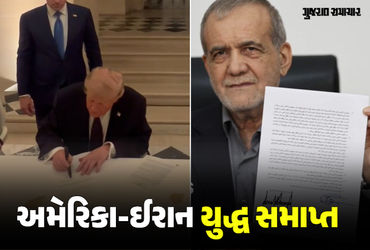
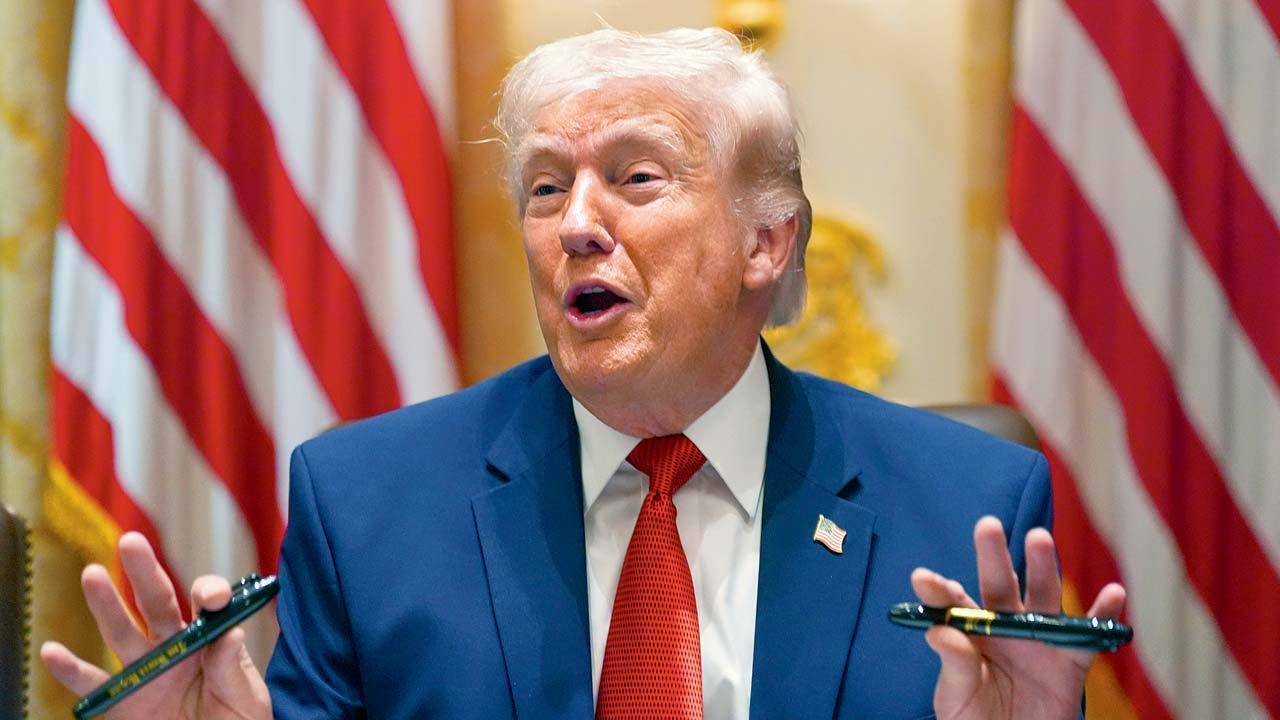
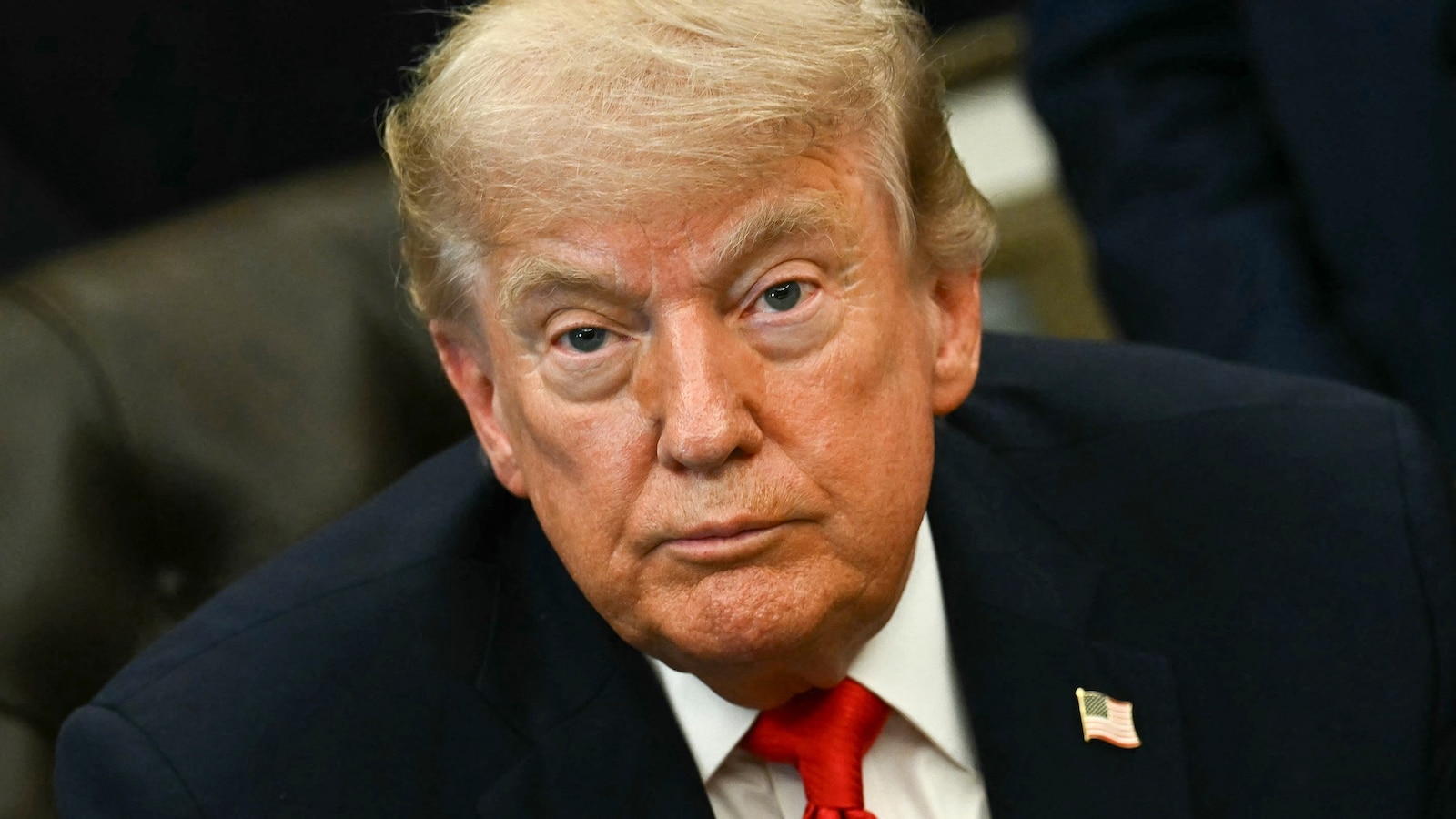
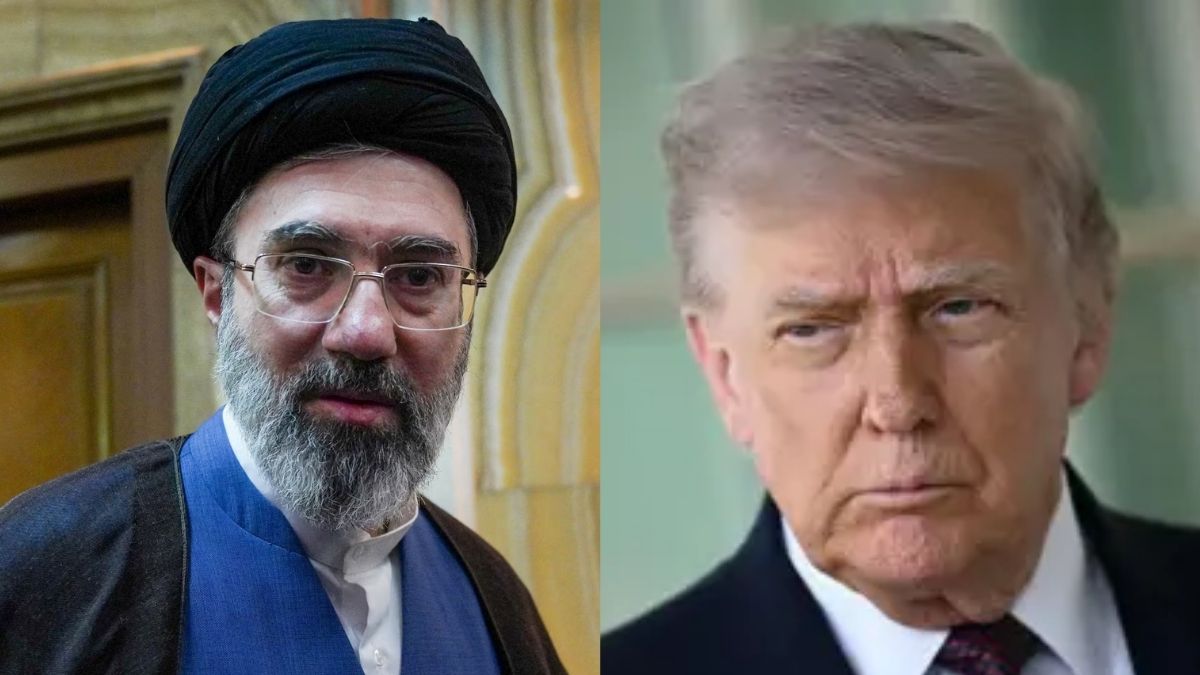
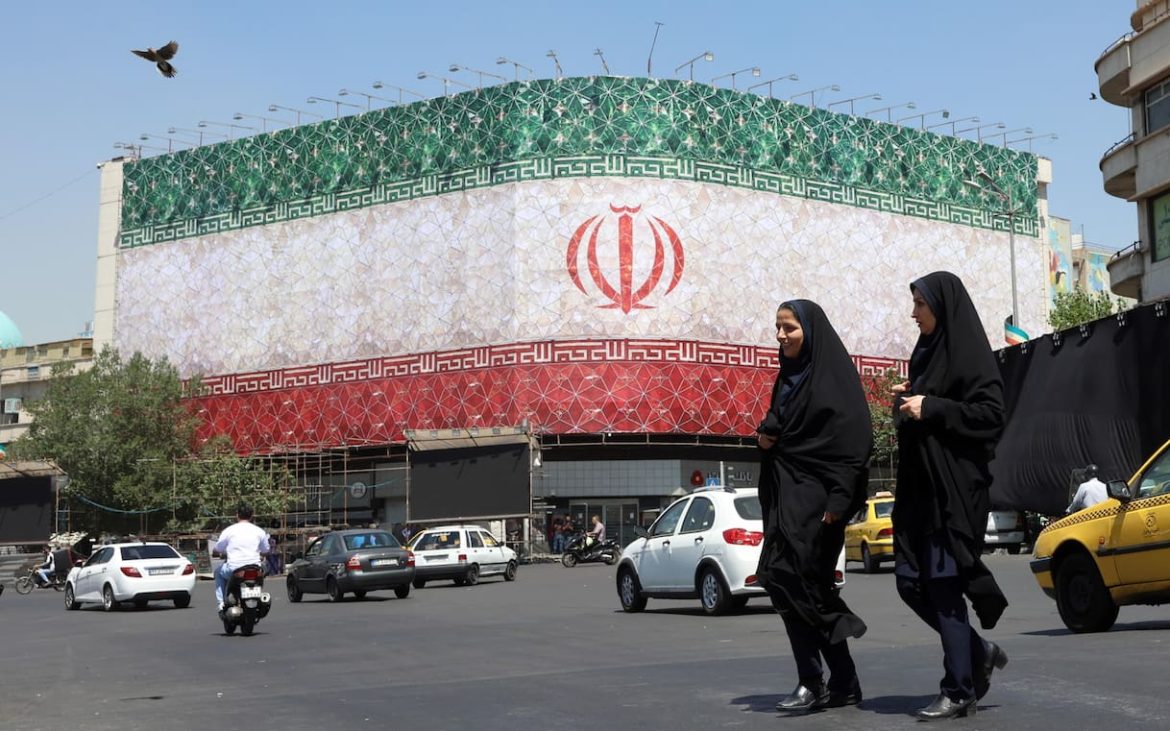
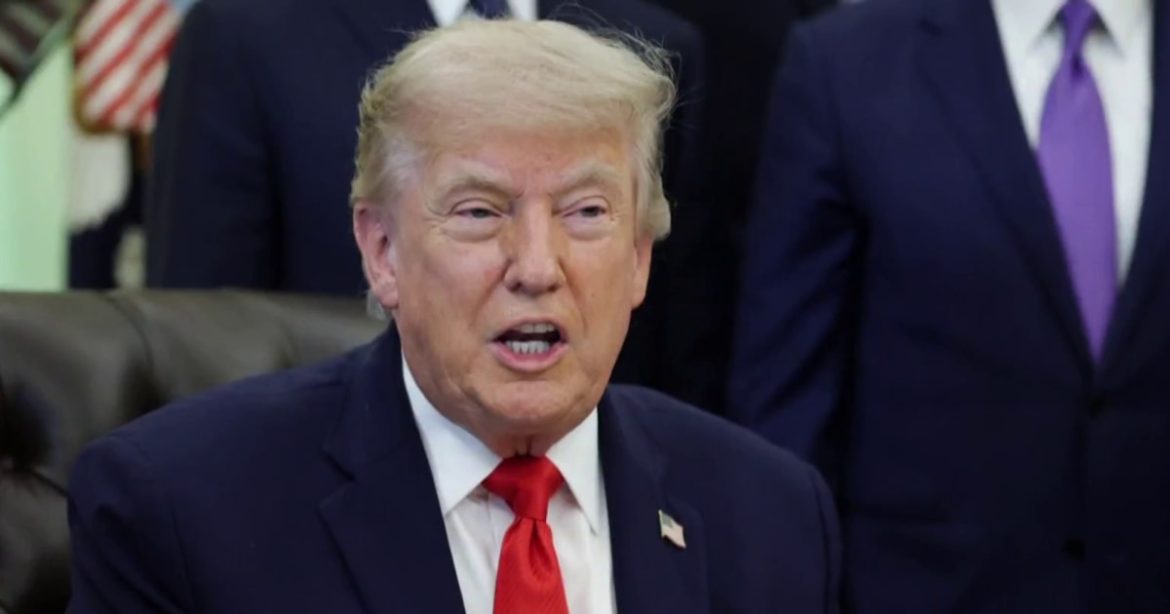
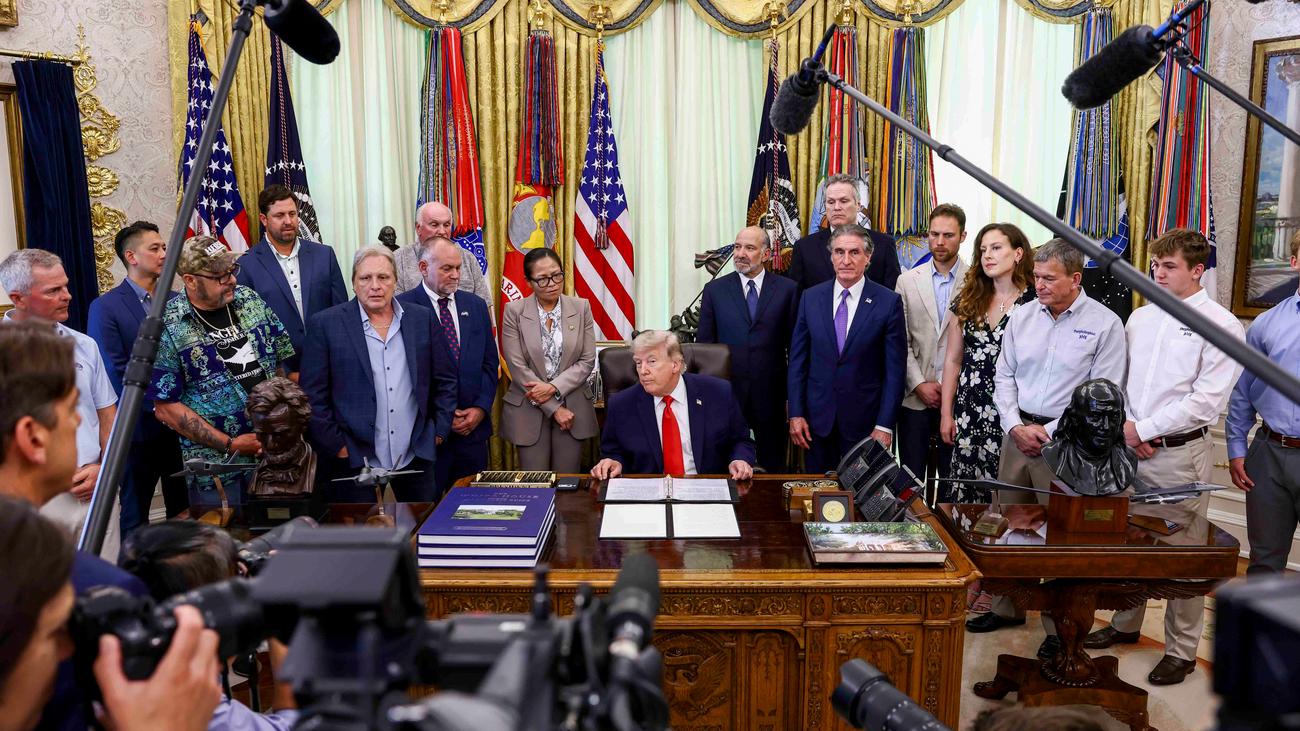
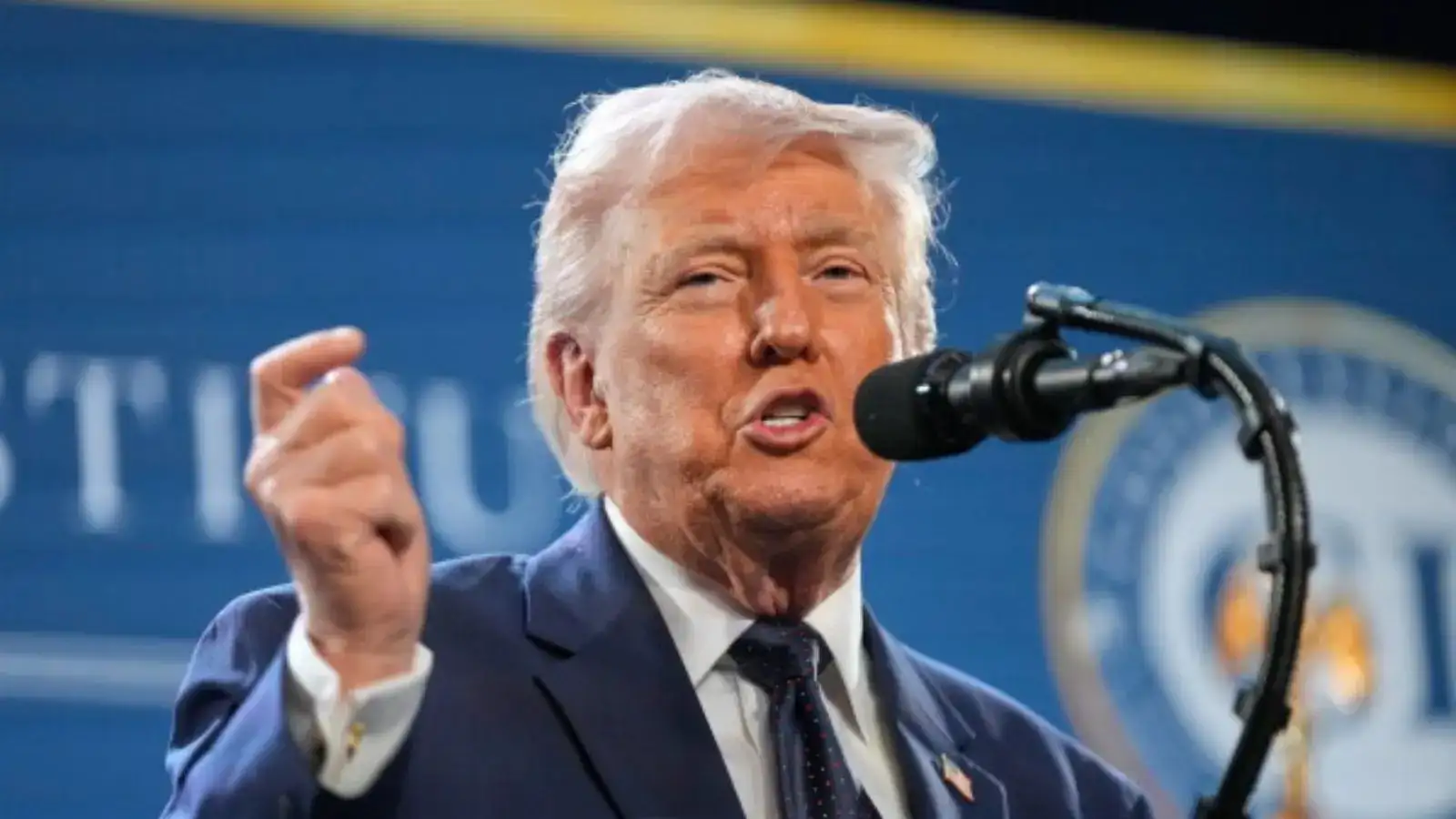
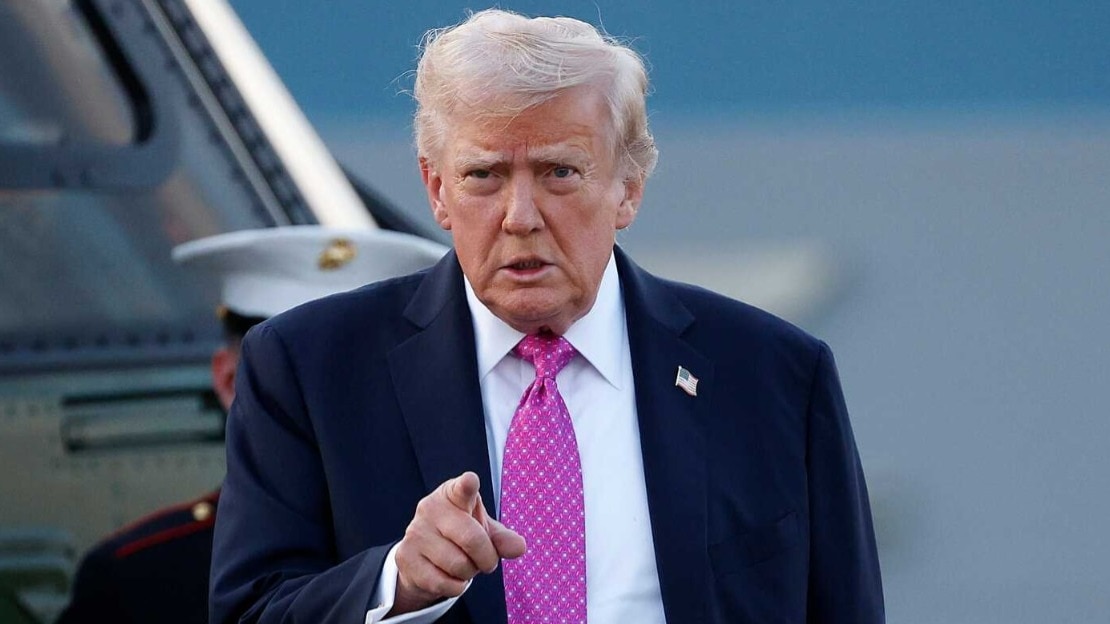
U.S. President Donald Trump and Iran’s leadership signed a memorandum of understanding in Versailles on Wednesday, June 17, 2026, to end the West Asia war. The deal aims to reopen the Strait of Hormuz and lift oil sanctions in exchange for Iran diluting its enriched uranium and entering 60 days of negotiations.
Terms of the Versailles Memorandum and Economic Relief
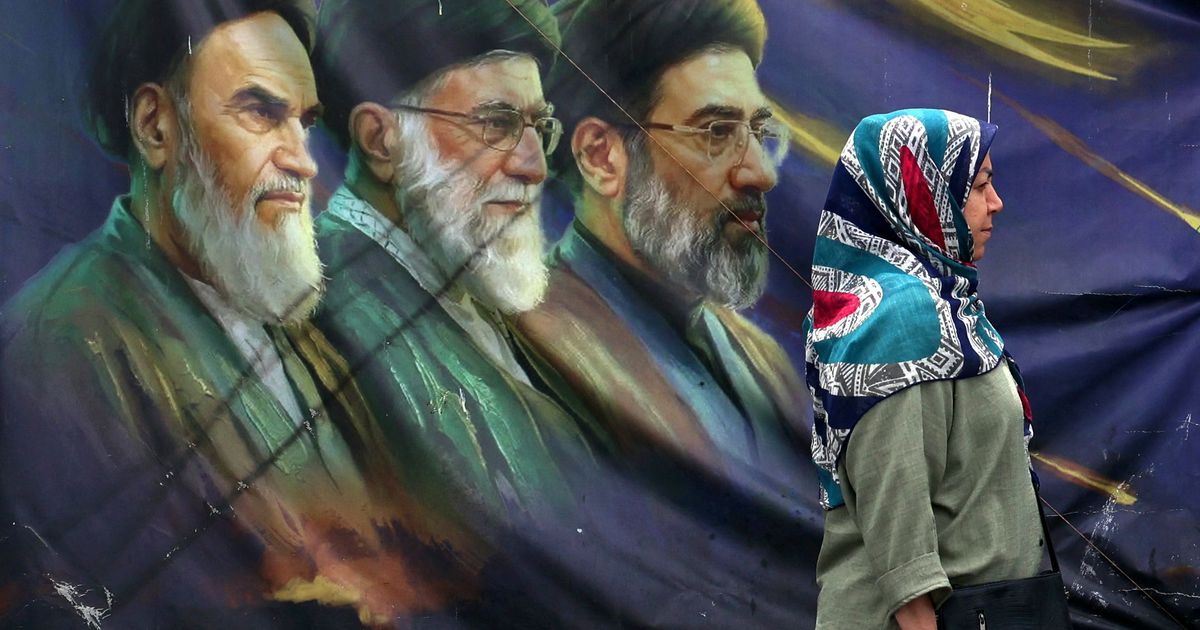
The agreement, signed during a dinner with French President Emmanuel Macron, seeks to de-escalate a conflict that began on February 28 and resulted in the deaths of 13 U.S. service members. The Hindu reported that the memorandum establishes a framework where Tehran agrees to down-blending on site under the supervision of the IAEA. In return, Washington has committed to the immediate waiver of oil sanctions that have crippled the Iranian economy. Once a final agreement regarding the Islamic republic’s nuclear program is reached, the United States will facilitate the release of a $300 billion reconstruction fund, which will be supported by regional nations. The immediate priority of the 60-day negotiating window is the reopening of the Strait of Hormuz. This crucial waterway was effectively shut down during the conflict, threatening the global economy. Iran’s Foreign Ministry spokesman Esmaeil Baqaei, via IRNA, confirmed the document “was finalized with the signatures of the Presidents.” Esmaeil Baqaei, via IRNA While the deal provides a path to economic stability, it remains a temporary arrangement. It serves as a bridge to more complex negotiations regarding Iran’s long-term nuclear ambitions. Iranian Parliament Speaker Mohammad Bagher Ghalibaf addressed the public via state television, characterizing the deal as a victory. “People will see it and judge,” Mohammad Bagher Ghalibaf, via state televisionGlobal Economic and Diplomatic Reactions

Political Backlash in Washington and Israel
The decision to end the war has triggered intense criticism from both Republican and Democratic leaders. In the United States, a report from PTI notes that top Democrats, including House Foreign Affairs ranking member Gregory Meeks, have demanded that Secretary of State Marco Rubio provide an immediate briefing to Congress. The lawmakers expressed concerns regarding the specifics of the memorandum and the strategic plan for the upcoming 60-day period. “While we welcome the Administration’s turn toward diplomacy and its decision to end this war of choice, the Administration must provide Congress with greater details about the MoU, any side agreements, and the Administration’s plan and strategy for the 60-day ceasefire period,” Gregory Meeks, via letter to Marco Rubio Republican Senator Bill Cassidy was even more direct in his condemnation, suggesting the deal fails to address the core issue of Iranian nuclear capability. “Iran’s nuclear ambitions were not curbed, and they have learned that threatening the Strait of Hormuz works. Sanctions will be lifted, and the bombing has stopped. This is the worst foreign policy blunder in decades.” Bill Cassidy, U.S. Senator In Israel, the sentiment is similarly volatile. As The Guardian noted, opposition leader Yair Lapid criticized the deal for leaving Israel in a vulnerable position while providing economic relief to Tehran. “Netanyahu promised us a historic victory – and we got a crisis with the Americans, Hormuz open to the Iranians, money for the Revolutionary Guards, ballistic missiles aimed at Israel, and Israel waiting in the corridor like a scolded child.” Yair Lapid, leader of the Israeli opposition This domestic pressure is expected to influence upcoming Israeli elections. David Horovitz, the founding editor of the Times of Israel, argued that the agreement undermines Israel’s ability to defend itself. “It will come back to bite America. It leaves Israel more vulnerable than before the war began, with a new US-Iran ceasefire agreement that aims to deny Israel the freedom to protect and defend itself,” David Horovitz, via Times of IsraelGlobal Economic and Diplomatic Reactions
While much of the political reaction has been negative, some international actors have expressed relief. Pakistan’s Prime Minister Shehbaz Sharif, who served as a mediator, hailed the agreement as a peaceful resolution that would facilitate the reopening of the Strait of Hormuz. European leaders also expressed a sense of economic relief. French President Emmanuel Macron stated that the deal would help stabilize a situation that had caused significant economic instability. However, the removal of economic pressure remains a point of contention. Mark Regev, a former senior adviser to Prime Minister Netanyahu, argued that the deal essentially provides the Iranian regime with a “return to life” by allowing them to resume oil exports. “The straits are open and the Iranians can start exporting their oil, and therefore they get money coming in, you’ve taken away the economic pressure. maybe Trump will get a great deal … but at the moment I don’t see that. I see America having given Iran’s regime a return to life.” Mark Regev, via media interview As the 60-day period begins, the focus shifts to whether Iran will “genuinely implement” its commitments and whether the United States can manage the complex security requirements of its allies in the region.Find more reporting in our World section.
The Lebanon Ceasefire and Israel’s Security Stance
Political Backlash in Washington and Israel
The decision to end the war has triggered intense criticism from both Republican and Democratic leaders. In the United States, a report from PTI notes that top Democrats, including House Foreign Affairs ranking member Gregory Meeks, have demanded that Secretary of State Marco Rubio provide an immediate briefing to Congress. The lawmakers expressed concerns regarding the specifics of the memorandum and the strategic plan for the upcoming 60-day period. “While we welcome the Administration’s turn toward diplomacy and its decision to end this war of choice, the Administration must provide Congress with greater details about the MoU, any side agreements, and the Administration’s plan and strategy for the 60-day ceasefire period,” Gregory Meeks, via letter to Marco Rubio Republican Senator Bill Cassidy was even more direct in his condemnation, suggesting the deal fails to address the core issue of Iranian nuclear capability. “Iran’s nuclear ambitions were not curbed, and they have learned that threatening the Strait of Hormuz works. Sanctions will be lifted, and the bombing has stopped. This is the worst foreign policy blunder in decades.” Bill Cassidy, U.S. Senator In Israel, the sentiment is similarly volatile. As The Guardian noted, opposition leader Yair Lapid criticized the deal for leaving Israel in a vulnerable position while providing economic relief to Tehran. “Netanyahu promised us a historic victory – and we got a crisis with the Americans, Hormuz open to the Iranians, money for the Revolutionary Guards, ballistic missiles aimed at Israel, and Israel waiting in the corridor like a scolded child.” Yair Lapid, leader of the Israeli opposition This domestic pressure is expected to influence upcoming Israeli elections. David Horovitz, the founding editor of the Times of Israel, argued that the agreement undermines Israel’s ability to defend itself. “It will come back to bite America. It leaves Israel more vulnerable than before the war began, with a new US-Iran ceasefire agreement that aims to deny Israel the freedom to protect and defend itself,” David Horovitz, via Times of IsraelGlobal Economic and Diplomatic Reactions
While much of the political reaction has been negative, some international actors have expressed relief. Pakistan’s Prime Minister Shehbaz Sharif, who served as a mediator, hailed the agreement as a peaceful resolution that would facilitate the reopening of the Strait of Hormuz. European leaders also expressed a sense of economic relief. French President Emmanuel Macron stated that the deal would help stabilize a situation that had caused significant economic instability. However, the removal of economic pressure remains a point of contention. Mark Regev, a former senior adviser to Prime Minister Netanyahu, argued that the deal essentially provides the Iranian regime with a “return to life” by allowing them to resume oil exports. “The straits are open and the Iranians can start exporting their oil, and therefore they get money coming in, you’ve taken away the economic pressure. maybe Trump will get a great deal … but at the moment I don’t see that. I see America having given Iran’s regime a return to life.” Mark Regev, via media interview As the 60-day period begins, the focus shifts to whether Iran will “genuinely implement” its commitments and whether the United States can manage the complex security requirements of its allies in the region.Find more reporting in our World section.
Political Backlash in Washington and Israel
The decision to end the war has triggered intense criticism from both Republican and Democratic leaders. In the United States, a report from PTI notes that top Democrats, including House Foreign Affairs ranking member Gregory Meeks, have demanded that Secretary of State Marco Rubio provide an immediate briefing to Congress. The lawmakers expressed concerns regarding the specifics of the memorandum and the strategic plan for the upcoming 60-day period. “While we welcome the Administration’s turn toward diplomacy and its decision to end this war of choice, the Administration must provide Congress with greater details about the MoU, any side agreements, and the Administration’s plan and strategy for the 60-day ceasefire period,” Gregory Meeks, via letter to Marco Rubio Republican Senator Bill Cassidy was even more direct in his condemnation, suggesting the deal fails to address the core issue of Iranian nuclear capability. “Iran’s nuclear ambitions were not curbed, and they have learned that threatening the Strait of Hormuz works. Sanctions will be lifted, and the bombing has stopped. This is the worst foreign policy blunder in decades.” Bill Cassidy, U.S. Senator In Israel, the sentiment is similarly volatile. As The Guardian noted, opposition leader Yair Lapid criticized the deal for leaving Israel in a vulnerable position while providing economic relief to Tehran. “Netanyahu promised us a historic victory – and we got a crisis with the Americans, Hormuz open to the Iranians, money for the Revolutionary Guards, ballistic missiles aimed at Israel, and Israel waiting in the corridor like a scolded child.” Yair Lapid, leader of the Israeli opposition This domestic pressure is expected to influence upcoming Israeli elections. David Horovitz, the founding editor of the Times of Israel, argued that the agreement undermines Israel’s ability to defend itself. “It will come back to bite America. It leaves Israel more vulnerable than before the war began, with a new US-Iran ceasefire agreement that aims to deny Israel the freedom to protect and defend itself,” David Horovitz, via Times of IsraelGlobal Economic and Diplomatic Reactions
While much of the political reaction has been negative, some international actors have expressed relief. Pakistan’s Prime Minister Shehbaz Sharif, who served as a mediator, hailed the agreement as a peaceful resolution that would facilitate the reopening of the Strait of Hormuz. European leaders also expressed a sense of economic relief. French President Emmanuel Macron stated that the deal would help stabilize a situation that had caused significant economic instability. However, the removal of economic pressure remains a point of contention. Mark Regev, a former senior adviser to Prime Minister Netanyahu, argued that the deal essentially provides the Iranian regime with a “return to life” by allowing them to resume oil exports. “The straits are open and the Iranians can start exporting their oil, and therefore they get money coming in, you’ve taken away the economic pressure. maybe Trump will get a great deal … but at the moment I don’t see that. I see America having given Iran’s regime a return to life.” Mark Regev, via media interview As the 60-day period begins, the focus shifts to whether Iran will “genuinely implement” its commitments and whether the United States can manage the complex security requirements of its allies in the region.The Lebanon Ceasefire and Israel’s Security Stance
Political Backlash in Washington and Israel
The decision to end the war has triggered intense criticism from both Republican and Democratic leaders. In the United States, a report from PTI notes that top Democrats, including House Foreign Affairs ranking member Gregory Meeks, have demanded that Secretary of State Marco Rubio provide an immediate briefing to Congress. The lawmakers expressed concerns regarding the specifics of the memorandum and the strategic plan for the upcoming 60-day period. “While we welcome the Administration’s turn toward diplomacy and its decision to end this war of choice, the Administration must provide Congress with greater details about the MoU, any side agreements, and the Administration’s plan and strategy for the 60-day ceasefire period,” Gregory Meeks, via letter to Marco Rubio Republican Senator Bill Cassidy was even more direct in his condemnation, suggesting the deal fails to address the core issue of Iranian nuclear capability. “Iran’s nuclear ambitions were not curbed, and they have learned that threatening the Strait of Hormuz works. Sanctions will be lifted, and the bombing has stopped. This is the worst foreign policy blunder in decades.” Bill Cassidy, U.S. Senator In Israel, the sentiment is similarly volatile. As The Guardian noted, opposition leader Yair Lapid criticized the deal for leaving Israel in a vulnerable position while providing economic relief to Tehran. “Netanyahu promised us a historic victory – and we got a crisis with the Americans, Hormuz open to the Iranians, money for the Revolutionary Guards, ballistic missiles aimed at Israel, and Israel waiting in the corridor like a scolded child.” Yair Lapid, leader of the Israeli opposition This domestic pressure is expected to influence upcoming Israeli elections. David Horovitz, the founding editor of the Times of Israel, argued that the agreement undermines Israel’s ability to defend itself. “It will come back to bite America. It leaves Israel more vulnerable than before the war began, with a new US-Iran ceasefire agreement that aims to deny Israel the freedom to protect and defend itself,” David Horovitz, via Times of IsraelGlobal Economic and Diplomatic Reactions
While much of the political reaction has been negative, some international actors have expressed relief. Pakistan’s Prime Minister Shehbaz Sharif, who served as a mediator, hailed the agreement as a peaceful resolution that would facilitate the reopening of the Strait of Hormuz. European leaders also expressed a sense of economic relief. French President Emmanuel Macron stated that the deal would help stabilize a situation that had caused significant economic instability. However, the removal of economic pressure remains a point of contention. Mark Regev, a former senior adviser to Prime Minister Netanyahu, argued that the deal essentially provides the Iranian regime with a “return to life” by allowing them to resume oil exports. “The straits are open and the Iranians can start exporting their oil, and therefore they get money coming in, you’ve taken away the economic pressure. maybe Trump will get a great deal … but at the moment I don’t see that. I see America having given Iran’s regime a return to life.” Mark Regev, via media interview As the 60-day period begins, the focus shifts to whether Iran will “genuinely implement” its commitments and whether the United States can manage the complex security requirements of its allies in the region.Find more reporting in our World section.