

U.S. Stocks surged on Friday as Iran declared the Strait of Hormuz “completely open” for commercial shipping, easing fears of prolonged supply chain disruption in a key global oil artery.
The Dow Jones Industrial Average climbed 851 points, or 1.8%, while the S&P 500 rose 1.1% to surpass 7,100 for the first time in its history, reaching a new intraday high. The Nasdaq Composite gained 1.3%, and the Russell 2000 small-cap index added 2%, also hitting a fresh peak.
The market rally followed a post on X by Iranian Foreign Minister Seyed Abbas Araghchi, who stated that passage for all commercial vessels through the strait was declared open in line with a ceasefire between Israel and Lebanon that began at 5 p.m. ET on Thursday.
Oil prices dropped sharply in response, with U.S. West Texas Intermediate futures falling 10.9% to $84.36 a barrel and international Brent crude declining 8.9% to $90.05 a barrel, according to oilprice.com data cited by CBS News.
The decline translated to relief at the pump, where the national average price for regular gasoline fell to $4.08 per gallon on Friday, down from $4.17 on April 9, the highest level of the year, AAA reported.
Despite the opening, Iran’s Tasnim news agency warned that ships and cargoes linked to hostile nations would not be permitted to transit, and the strait could be closed again if the U.S. Naval blockade of Iranian ports continues.
President Donald Trump affirmed the blockade would remain “in full force” until a peace agreement with Tehran is reached, though he said the process should proceed quickly as most points were already negotiated.
Trump also claimed Iran had agreed to never close the waterway again and told Bloomberg that a deal to end the war was mostly complete, including an indefinite suspension of Iran’s nuclear program.
For more on this story, see U.S. Stock Futures Jump as Iran Opens Strait of Hormuz.
Stocks in industries sensitive to strait disruptions rebounded, with Boeing shares up 3% and Royal Caribbean advancing 8%, while Amazon and Airbnb also gained.
Anthony Saglimbene, chief market strategist at Ameriprise Financial, said investors were moving past worst-case scenarios and now see a path to lasting stability in the region, which markets are beginning to price in.
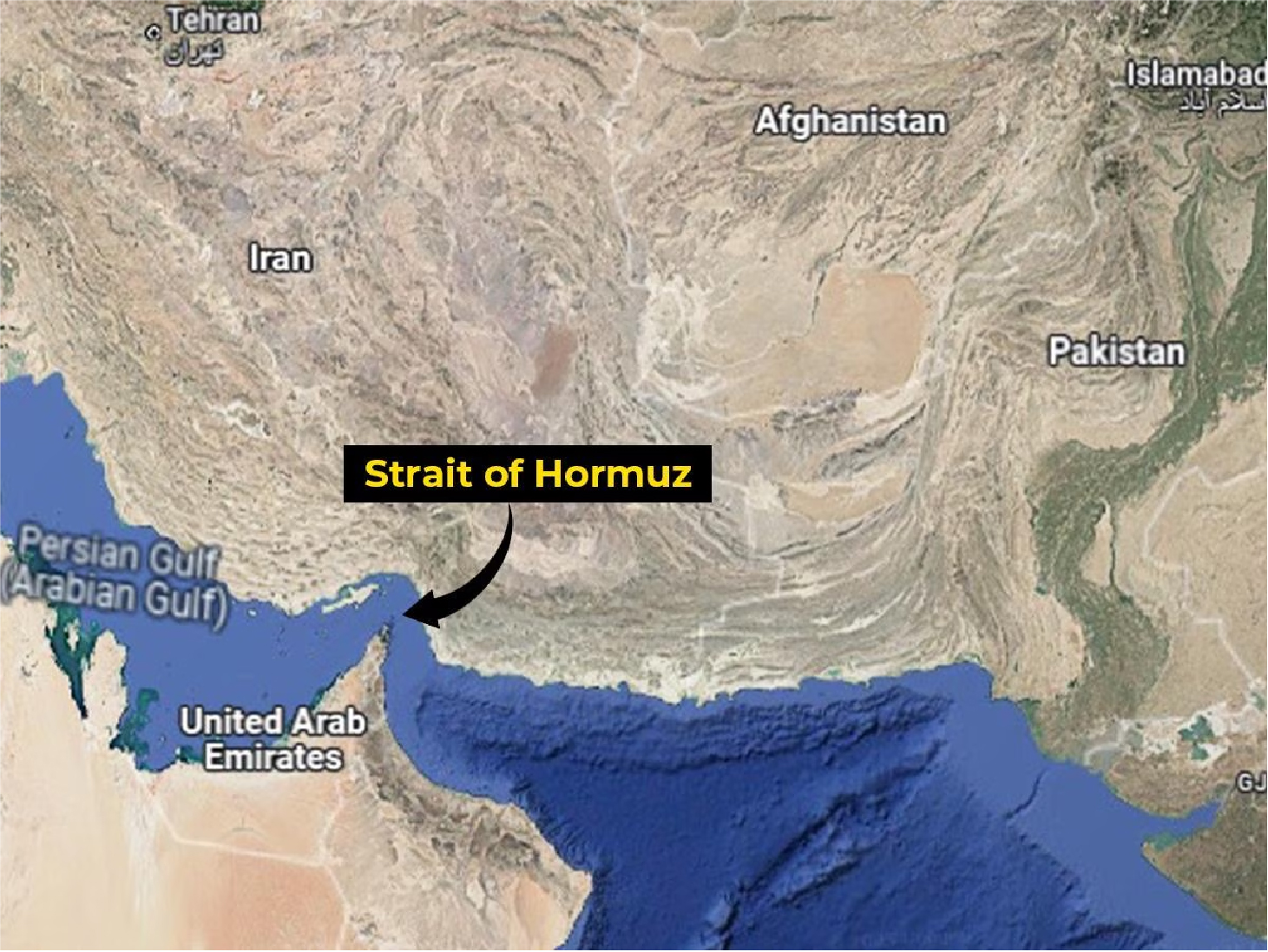
The Strait of Hormuz remains a critical chokepoint, through which about one-fifth of the world’s oil supply normally flows, and prior to the ceasefire, traffic slowdowns had pushed oil prices close to $120 a barrel.
Trump credited Iran for reopening the strait while maintaining sanctions pressure
In a Truth Social post, Trump thanked Iran for declaring the strait open and said the U.S. Navy’s blockade of Iranian ports would continue until a broader peace agreement is achieved, linking economic pressure to diplomatic progress.
Market analysts note shift from risk-off to cautious optimism
Saglimbene observed that the market had retreated from pricing in extreme conflict outcomes and now sees a negotiable path forward, provided the strait remains open and hostilities do not reignite.
Gasoline prices fell to their lowest level since early April
The drop in crude prices brought the national average for regular gasoline down to $4.08 per gallon, offering consumers relief after a spike tied to Middle East tensions that began in late February.
Why did oil prices drop after Iran’s announcement?
Oil prices fell because Iran’s declaration reduced fears of a prolonged closure of the Strait of Hormuz, a vital route for global oil shipments, easing supply concerns that had driven prices up earlier in the year.
Is the Strait of Hormuz now fully open to all shipping?
No, Iran stated that while commercial vessels can transit, ships linked to hostile nations are barred, and the strait could be closed again if the U.S. Blockade of Iranian ports continues.
