The U.S. Navy seized an Iranian-flagged cargo ship in the Gulf of Oman on Sunday, disabling its engine with gunfire after the vessel ignored warnings to comply with a maritime blockade.
The guided-missile destroyer USS Spruance intercepted the M/V Touska as it headed toward Bandar Abbas, ordering the crew to evacuate the engine room before firing multiple rounds from its 5-inch gun. Marines from the 31st Marine Expeditionary Unit later boarded the ship, which remains in U.S. Custody. President Donald Trump confirmed the action on Truth Social, stating the vessel was under U.S. Treasury sanctions due to prior illegal activity and that the Navy “stopped them right in their tracks by blowing a hole in the engineroom.”
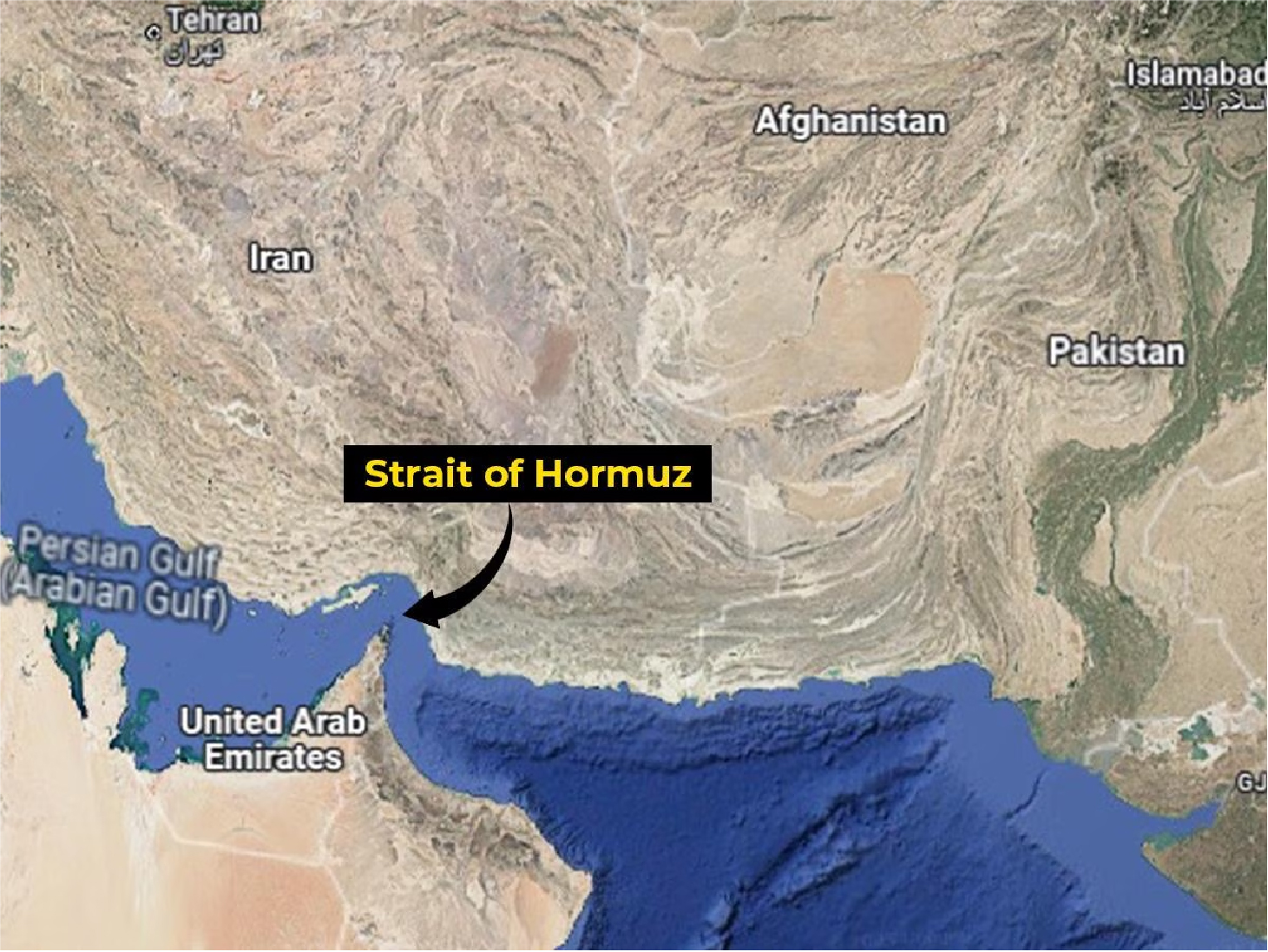
Oil prices jumped in response, with West Texas Intermediate futures rising 5% to above $88 per barrel and Brent crude advancing 5% to over $94 per barrel. The move followed a weekend of escalating tensions in the Strait of Hormuz, where the Islamic Revolutionary Guard Corps declared the waterway closed to all vessels despite earlier U.S.-Iran announcements of reopened shipping.
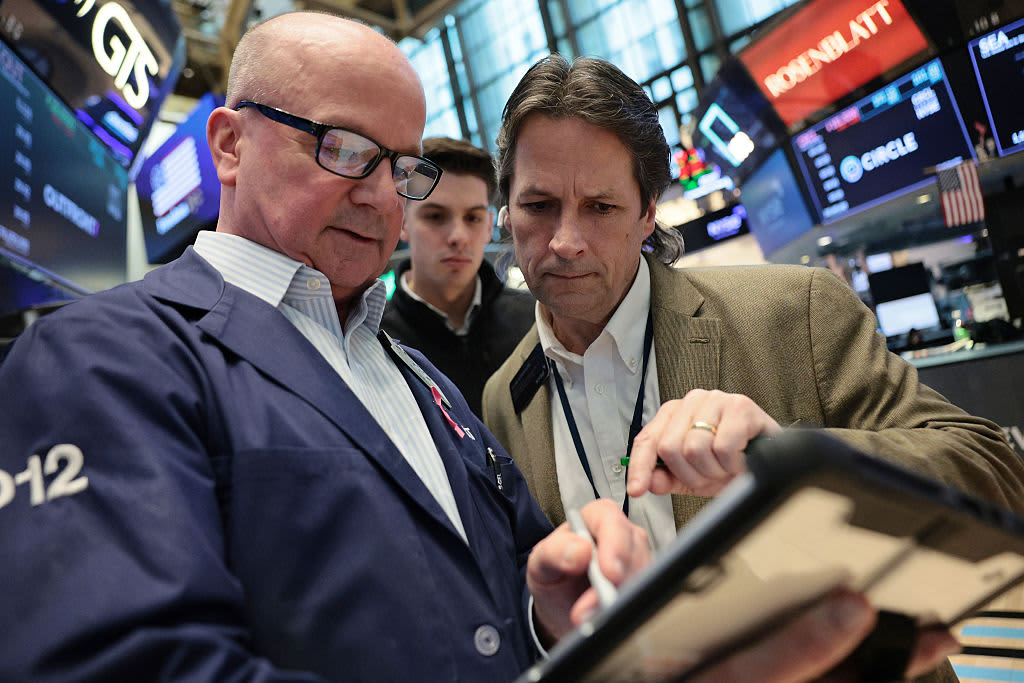
Stock markets reacted mildly to the developments, with the Dow Jones Industrial Average slipping 23 points, or 0.1%, while the S&P 500 fell 0.3% and the Nasdaq Composite retreated 0.4% on Monday. Traders noted that equities had recovered from near correction territory to all-time highs, making it difficult to fully price in a worst-case scenario. David Wagner, head of equities at Aptus Capital Advisors, told CNBC that “the war with Iran is now in the rearview mirror for the market,” citing confidence in a eventual compromise.
The seizure came after Iran declined to join another round of U.S.-led peace talks in Pakistan. Trump reiterated that the U.S. Naval blockade of the Strait of Hormuz would remain until Iran agreed to American demands, even as Iranian state media accused the U.S. Of failing to meet its obligations under a prior ceasefire with Lebanon that had briefly reopened the strait.
Wall Street was coming off a strong week, with the S&P 500 gaining 4.5% and the Nasdaq Composite rising around 7%, marking its 13th consecutive winning session—a streak not seen since 1992. Software stocks led gains, with the iShares Expanded Tech-Software Sector ETF (IGV) up 0.8%. Wagner argued that the rally had further room to run, driven by earnings growth and valuation expansion rather than speculative excess.
Why did oil prices rise despite the stock market’s muted reaction?
Oil prices spiked due to immediate supply concerns from the Strait of Hormuz conflict, while equity investors focused on longer-term earnings trends and the belief that a diplomatic resolution would eventually prevent sustained disruption.
What does the 13th consecutive winning session for the Nasdaq suggest about market sentiment?
The streak, matching a run not seen since 1992, reflects underlying confidence in corporate earnings and growth prospects, with analysts like David Wagner arguing that valuations are supported by fundamentals rather than speculation.