
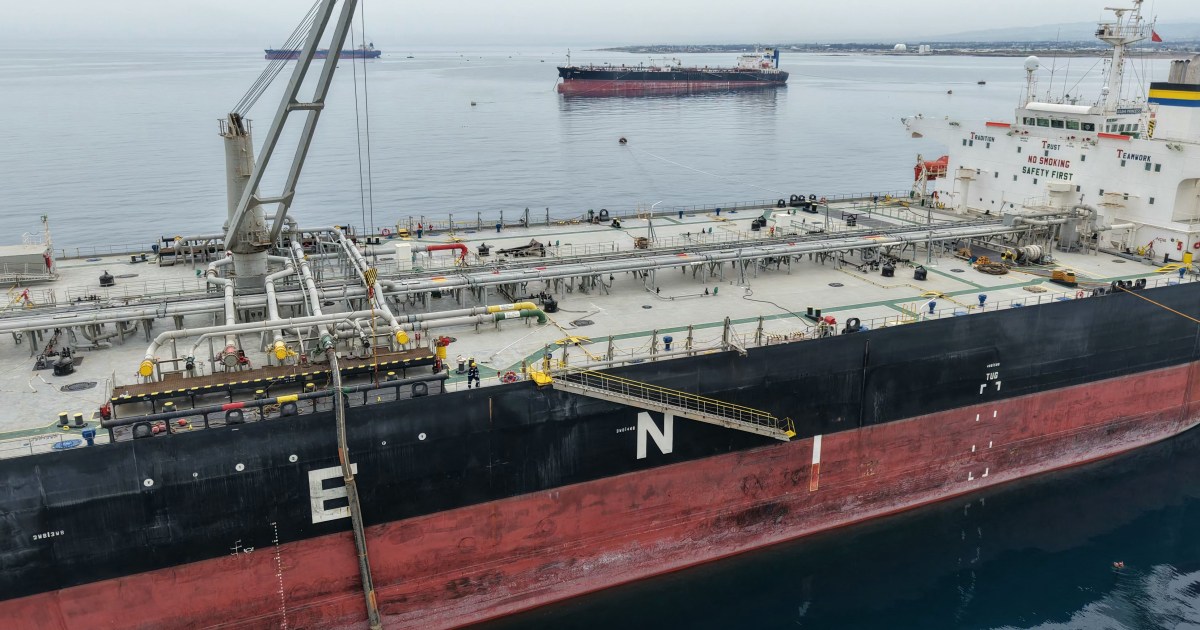
Iranian forces opened fire on two Indian-flagged merchant vessels in the Strait of Hormuz on April 18, marking the first time Tehran has directly targeted ships flying India’s flag in this vital waterway.
The incidents occurred as the crude oil tanker Sanmar Herald and bulk carrier Jag Arnav transited one of the world’s busiest shipping lanes, carrying energy supplies from Iraq and Saudi Arabia toward India. According to the UK Maritime Operations Centre, IRGC gunboats approached the Sanmar Herald without radio warning before opening fire; nearby, the Jag Arnav sustained container damage from an unidentified projectile. Both vessels turned back, reporting no injuries or environmental harm.
India responded swiftly, summoning Iran’s ambassador to New Delhi for a stern protest. Foreign Secretary Vikram Misri emphasized India’s expectation of safe passage, recalling Tehran’s prior role in facilitating Indian commercial transit through the strait. The move underscores New Delhi’s growing concern over being pulled into regional maritime tensions despite its efforts to maintain neutral trade flows.
While Iranian authorities have not publicly explained the targeting, the timing aligns with renewed IRGC assertions of control over the strait, including a declared closure on April 18. Analysts note the incident risks complicating India’s energy security calculations, given its reliance on Gulf crude and the strait’s role as a conduit for roughly 20% of global oil trade.
The attack also breaks a recent pattern of uneventful Indian-flagged transits; vessels like the MT Desh Garima had passed through just hours earlier without incident. This inconsistency suggests either a deliberate escalation or a breakdown in communication between Iranian naval commands operating in the gulf.
Tehran’s broader messaging appears linked to regional posturing, though NBC News’ concurrent coverage of Hezbollah’s demands in Lebanon reveals how Iran’s proxy networks are leveraging separate flashpoints to pressure Israel and the West. The Hormuz firings, while distinct, reflect a similar strategy of using controlled escalation to assert influence without triggering full confrontation.
For India, the challenge lies in balancing diplomatic protest with continued reliance on the strait for energy imports. New Delhi has avoided direct confrontation with Tehran in the past, preferring quiet diplomacy to protect its diaspora and trade interests — an approach now tested by visible military action against its flagged vessels.
Why did Iran target these specific Indian ships?
The sources do not specify why the Sanmar Herald and Jag Arnav were selected, only that they were transiting the strait when approached by IRGC gunboats without prior communication.
Has Iran targeted Indian vessels in the strait before?
No. The Hindustan Times reports this marks the first time Iranian forces have fired upon Indian-flagged or owned merchant vessels in the Strait of Hormuz.
