
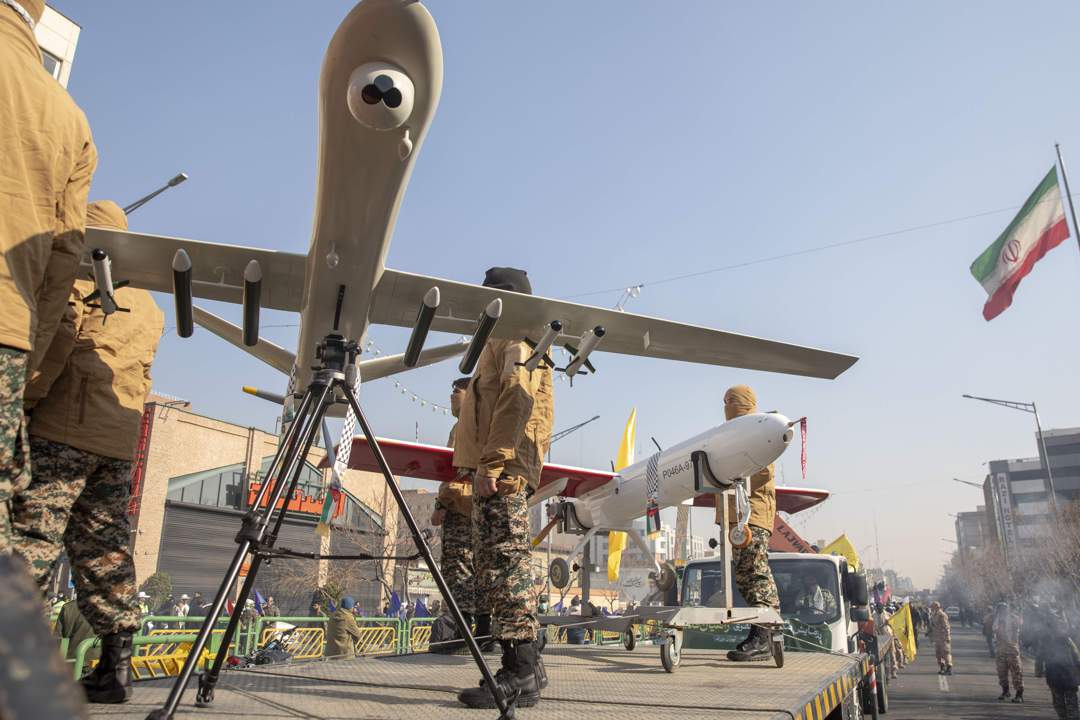
The United States launched self-defense strikes on Iranian missile sites and mine-laying boats in southern Iran on Tuesday, May 26, 2026, shattering a fragile ceasefire and sending oil prices surging to $100 a barrel. Iran denounced the attacks as a “gross violation” of the truce, while Israel simultaneously pounded Lebanon with over 120 airstrikes, further complicating peace efforts in the region.
Ceasefire Collapse: What the US and Iran Say
Oil Prices Surge as Markets React
Israel’s Escalation in Lebanon
While the US and Iran traded accusations, Israel carried out one of its heaviest days of bombing in weeks, launching over 120 airstrikes on Lebanon. Lebanese security sources reported the attacks, which targeted infrastructure and military positions, as part of a broader campaign to pressure Hezbollah and other groups backed by Iran. Iran has made ending Israeli attacks in Lebanon a key demand in any peace deal, but the latest strikes suggest that the conflict is far from resolution.4 The Israeli campaign in Lebanon has drawn international condemnation, particularly from countries concerned about the potential for a wider regional war. The attacks have also raised questions about whether Israel is willing to engage in direct negotiations with Iran, or if its strategy remains focused on military pressure. The Lebanese government has condemned the strikes as a violation of its sovereignty, further complicating efforts to broker a ceasefire.Peace Talks: Still on the Table, But Under Pressure
What Comes Next: The Road Ahead
The immediate risk is that the latest strikes will trigger a cycle of retaliation, dragging the region further into conflict. Iran’s vow to respond to the US attacks, combined with Israel’s continued bombardment of Lebanon, suggests that the situation is volatile and unpredictable. The question now is whether the mediators can keep the parties at the negotiating table, or if the conflict will spiral out of control. For now, the focus remains on the Strait of Hormuz, where the US has insisted that shipping must remain open. The latest strikes have only heightened tensions, but if both sides can resist the urge to escalate further, there may still be room for diplomacy. The challenge will be to rebuild trust after this latest breach of the ceasefire—a trust that has already been severely tested. One thing is clear: the stakes could not be higher. The war has already disrupted global oil markets, driven up food prices, and created a humanitarian crisis in the region. Without a swift resolution, the economic and geopolitical fallout will only deepen, affecting countries far beyond the Middle East. The world is watching to see if diplomacy can prevail—or if the region is heading toward a wider, more devastating conflict.“The US terrorist army, continuing its illegal and unjustified actions since the ceasefire … has, in the past 48 hours, committed a gross violation of the ceasefire in the Hormozgan region.”

This follows our earlier report, Trump Threatens Iran: Deal Required or Face Renewed Attacks.
For more on this story, see Iran allegedly behind Canada attacks on US consulate, synagogue.
Iranian Foreign Ministry, via <a href="https://www.enca.
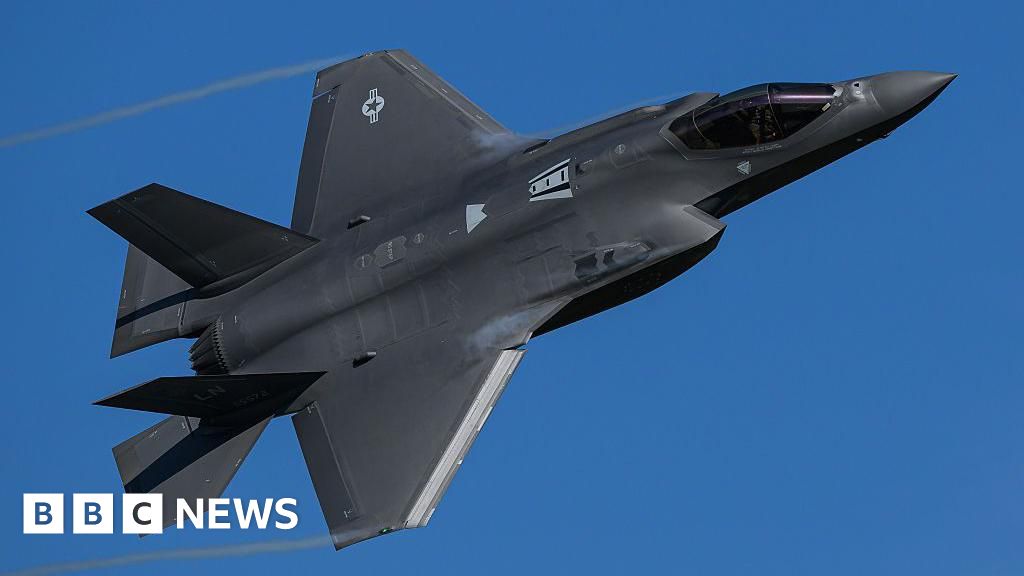
“US forces conducted self-defence strikes in southern Iran today to protect our troops from threats posed by Iranian forces.”
Tim Hawkins, US Central Command spokesman, via <a href="https://www.enca.
— Sources: 1. [US Central Command statement](https://www.enca.com/news/iran-accuses-us-breaking-truce-after-new-strikes) 2. [Iranian Foreign Ministry](https://www.theguardian.com/us-news/2026/may/26/trump-administration-news-today) 3. [Iranian Revolutionary Guards](https://www.enca.com/news/iran-accuses-us-breaking-truce-after-new-strikes) The escalating violence risks further destabilizing the Strait of Hormuz, threatening global energy supplies and prolonging the humanitarian toll across the region.