
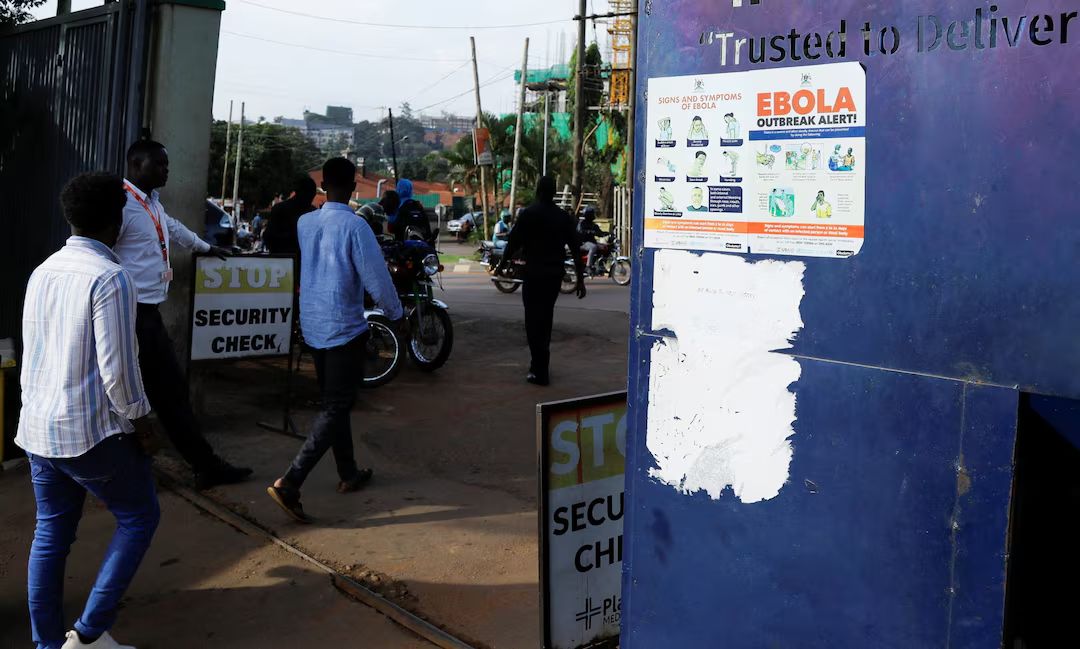
Canada and the Bahamas have implemented immediate travel restrictions on residents of the Democratic Republic of the Congo, Uganda, and South Sudan following a Bundibugyo Ebola outbreak. The measures, effective Wednesday, May 27, include a 90-day visa suspension in Canada and enhanced health screenings in the Bahamas to mitigate global spread.
Canada’s visa suspension and quarantine mandates
The Canadian government is moving to wall off its borders against the Bundibugyo strain of Ebola, targeting residents of the Democratic Republic of the Congo, Uganda, and South Sudan. According to CNBC Africa, the 90-day restriction on these residents begins this Wednesday.
This is not merely a delay for new applicants. The suspension is deep enough to catch those who already have their papers in order. Immigration Minister Lena Metlege Diab confirmed that the government will suspend the validity of existing immigration documents, meaning even individuals holding a previously approved temporary resident visa, electronic travel authorisation (eTA), or permanent resident visa will be barred from entering the country while the suspension is active.
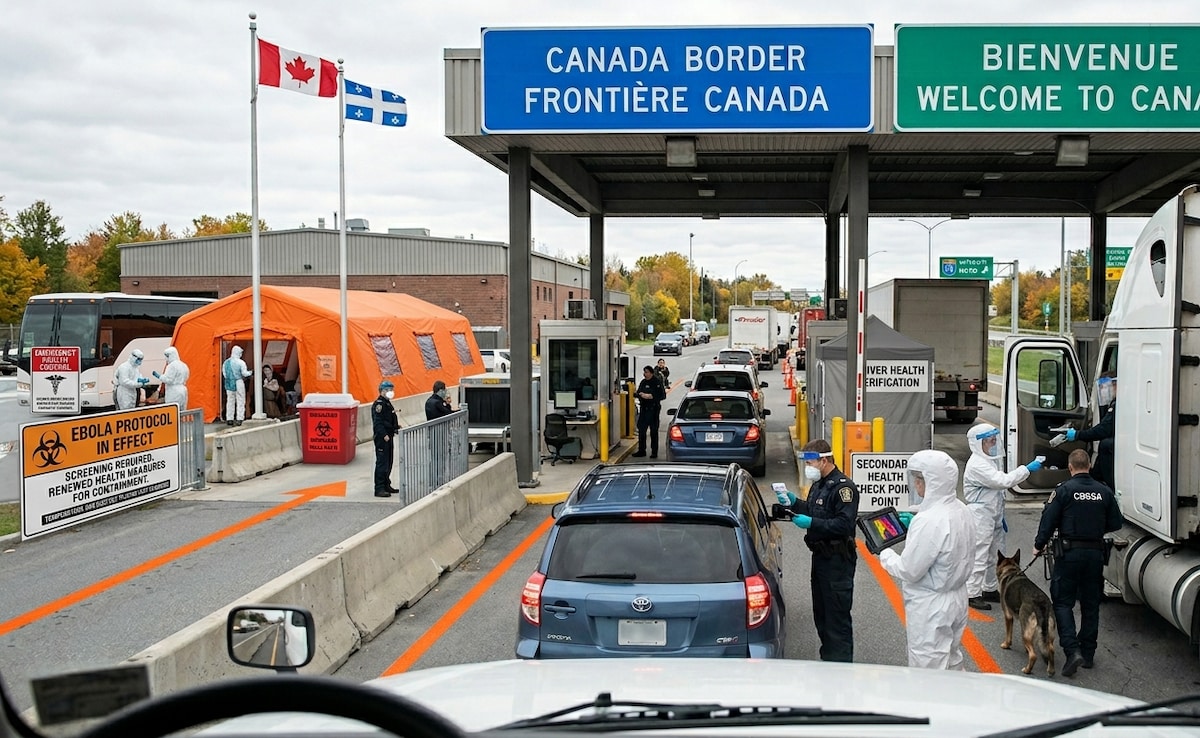
New visa applications from these three nations are also being paused. To manage the movement of those who have already been in the affected regions, Ottawa is implementing a strict quarantine protocol.
Starting May 30, Canadian citizens, permanent residents, and certain foreign nationals who visited the affected areas within the last 21 days must undergo a mandatory 21-day quarantine if they show no symptoms. Those who do present symptoms face a more immediate clinical response.
“Travellers who have symptoms will be isolated at a hospital for further assessment.
The Public Health Agency of Canada, via Peoples Gazette Nigeria
Marjorie Michel, Canadian Health Minister
Immediate entry restrictions in the Bahamas
The Caribbean is also tightening its perimeter. The Bahamian government announced that its entry restrictions would take immediate effect, providing a much faster response than the Canadian model. These restrictions are set to remain in place for 30 days, though the country’s health ministry retains the authority to review and adjust the duration.
As Business Insider Africa noted, this rapid response highlights the speed at which health crises in Africa can trigger global travel crackdowns. The Bahamas is focusing heavily on screening travelers who have recently moved through the epicenter of the outbreak.
The Bahamian government, via Peoples Gazette Nigeria
The archipelago has also advised its own nationals to avoid traveling to the DRC, South Sudan, and Uganda altogether.
The medical threat of the Bundibugyo strain
The urgency driving these political decisions is rooted in the biological reality of the Bundibugyo virus. Unlike some other strains, this specific Ebola outbreak has no known vaccine or treatment. The World Health Organization recently elevated the risk of this strain turning into a national outbreak in the Democratic Republic of the Congo to “very high,” and has declared the situation in both the DRC and Uganda an emergency of international concern.

The numbers coming out of the DRC are sobering. According to NDTV, as of May 26, health officials had recorded over 900 suspected cases and 223 deaths in the Democratic Republic of the Congo alone.
The clinical profile of Ebola remains one of the most dangerous in the medical field. While the risk to North America currently remains low, the potential consequences of an introduction are massive.
- The average Ebola disease case fatality rate is approximately 50 per cent.
- Historical case fatality rates have fluctuated wildly, ranging from 25 per cent to as high as 90 per cent.
- The virus spreads through direct contact with blood, secretions, organs, or other bodily fluids of infected people.
Global movement and the 2026 World Cup pressure
The timing of these bans is not coincidental. Governments are watching the calendar closely. Canada’s decision was influenced by the evolving international situation, including the FIFA World Cup 2026, an event that will bring millions of international travelers into the country.
This is part of a broader pattern of Western nations reacting to the outbreak. The United States suspended entry for non-citizens who recently traveled to the affected African nations last week. Meanwhile, the impact is being felt across Asia; Nation Thailand reports that the Royal Thai Army has ordered urgent preparations to support Thai personnel stationed in South Sudan following the widening of Ebola risk areas by the Africa CDC.
While these measures aim to protect public health, they carry significant weight for the African continent. For students, diplomats, and business leaders, these restrictions can lead to sudden economic isolation. The suddenness of the bans revives long-standing fears about how localized outbreaks can rapidly transform into widespread international economic anxiety and reputational damage for African nations.
Consult your healthcare provider for medical advice regarding travel and infectious diseases.
