Uganda’s Border Shutdown and the WHO Conflict
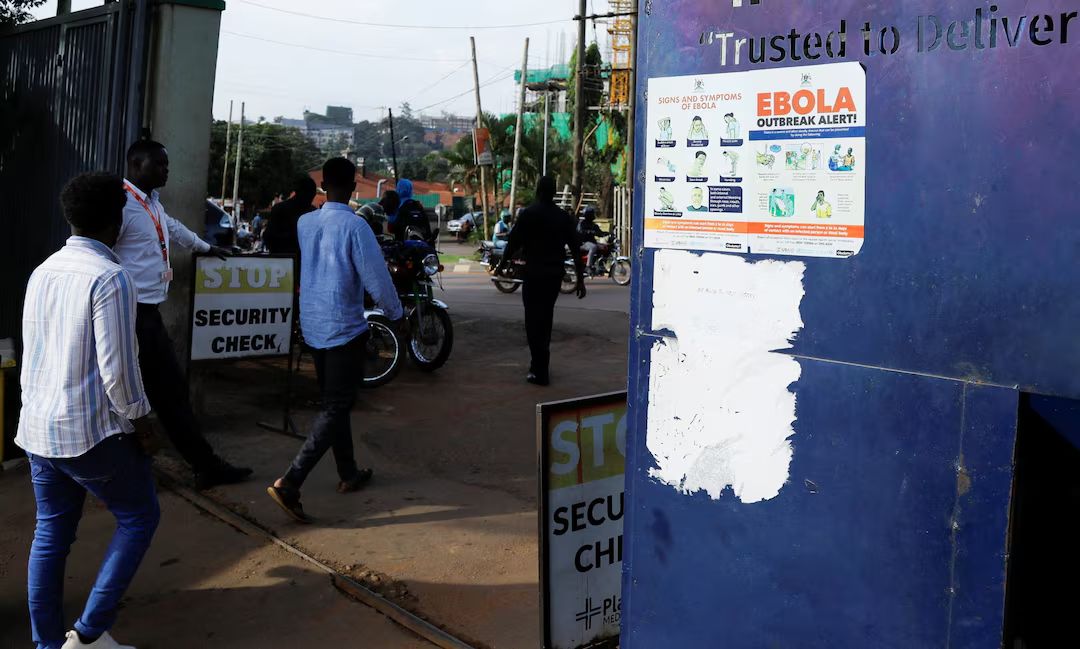
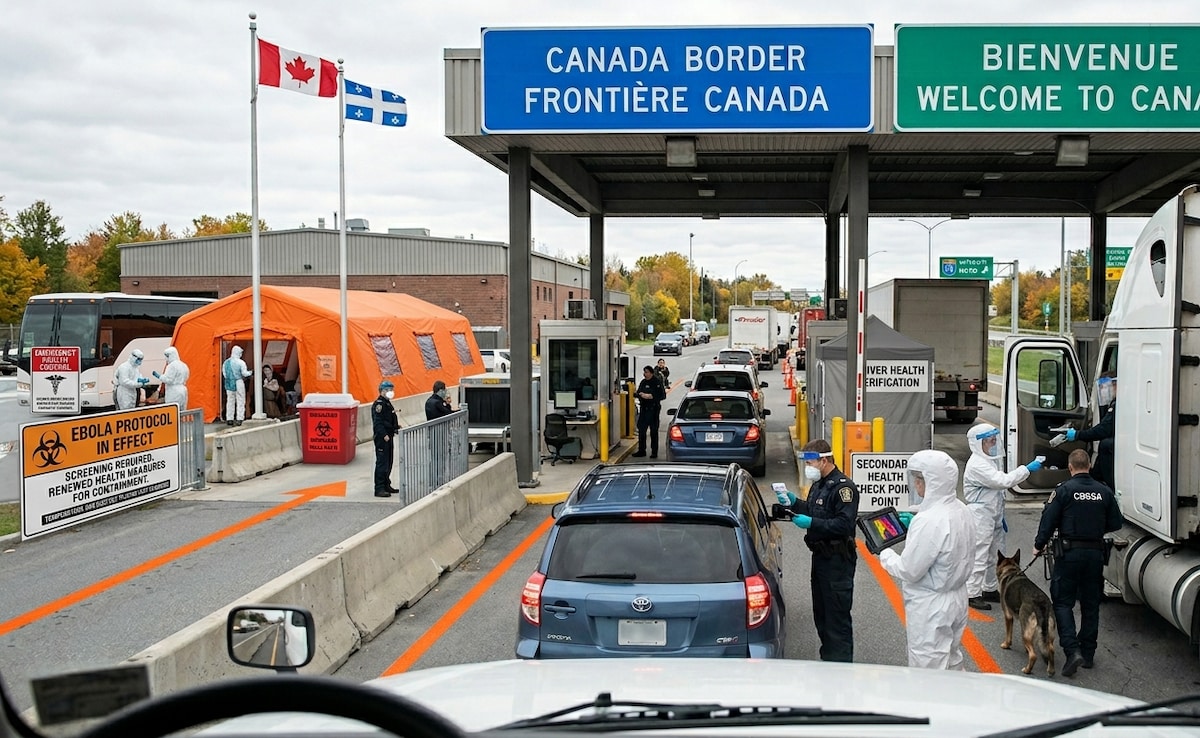
The decision to shut the border came Wednesday, announced by Uganda’s Ministry of Health after a sharp rise in suspected cases in eastern Congo. According to Sahara Reporters, the move was triggered by reports that several Ugandan health workers were exposed to Congolese patients who crossed the border before the DRC officially declared the outbreak on May 15.
Movement is now restricted to emergency conditions—cargo, security operations, or Ebola response activities. Anyone entering under these exceptions faces a mandatory 21-day self-isolation period.
This hardline stance creates a diplomatic and medical friction point. The World Health Organization (WHO) has repeatedly discouraged border closures, even after declaring the outbreak a Public Health Emergency of International Concern. Uganda’s Permanent Secretary at the Ministry of Health, Dr. Diana Atwine, however, remains focused on the domestic risk. She specifically criticized mass gatherings, including football fans celebrating Arsenal’s reported English Premier League championship, as dangerous catalysts for transmission.
“I don’t understand,”
Dr.
The stakes for Uganda are already visible. The country has recorded nine confirmed cases and one death, including a 59-year-old man in Kampala who died on May 14.
The Logistical Nightmare of the Bundibugyo Strain
Containment is hampered by a brutal combination of biology and geography. The Bundibugyo strain is a rare variant with no approved vaccines or specialized treatments. This leaves health authorities with only two tools: mass testing and behavioral modification.
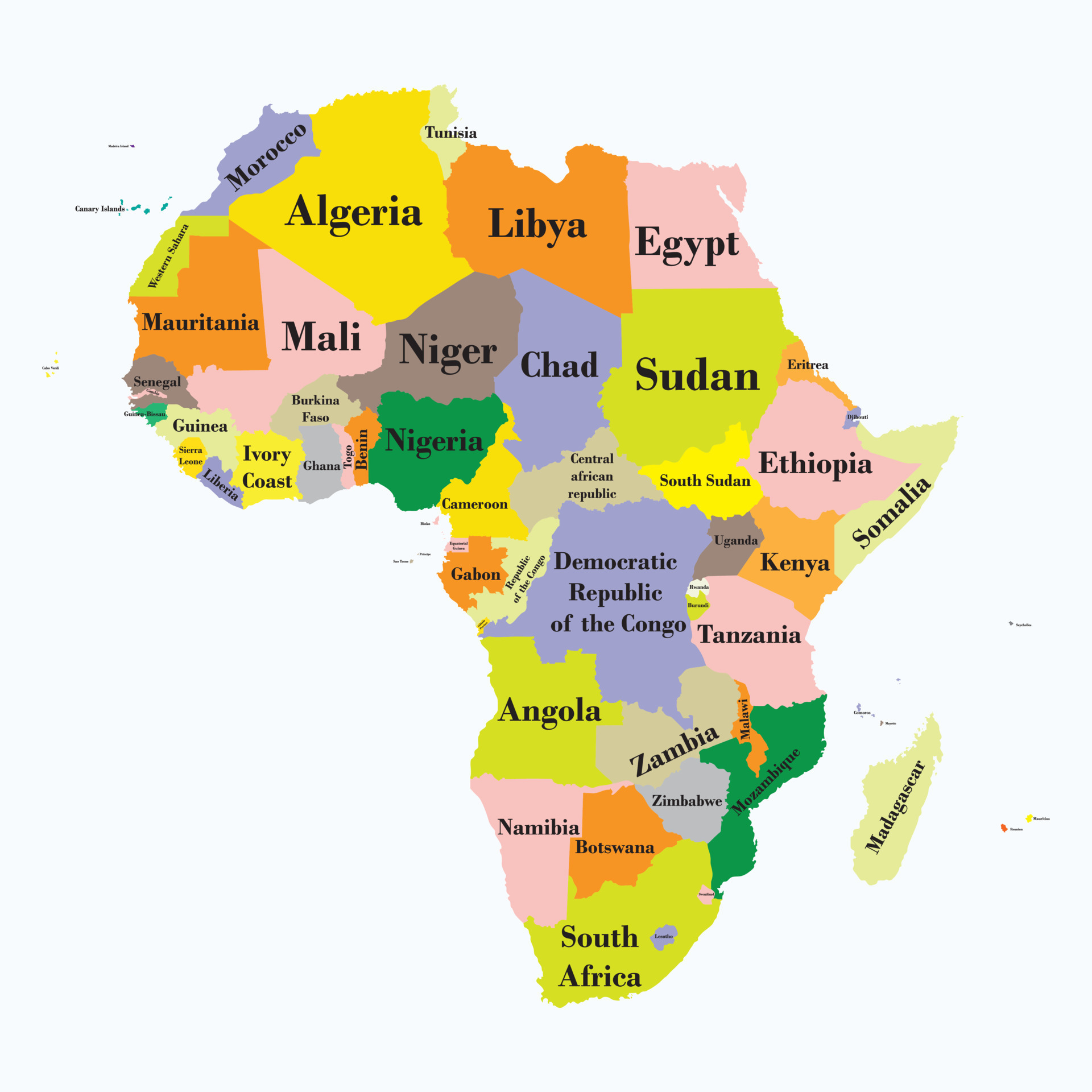
In the DRC, the virus is galloping through 11 health zones across Ituri, North Kivu, and South Kivu provinces. The region is a logistical wasteland of impassable roads and active armed conflict. To combat this, the provincial government and UN agencies (WHO, Unicef, and UNFPA) have deployed ambulances and 100 motorcycles to reach isolated hotspots.
Congolese Health Minister Samuel Roger Kamba has prioritized aggressive diagnostics to map the spread. During a recent press conference, Kamba noted that 2,000 tests were dispatched Tuesday, with another 4,000 scheduled for Wednesday.
The human cost is climbing. While figures vary slightly by source, the Africa Centres for Disease Control and Prevention (Africa CDC) reports 1,077 infections and over 223 deaths. Other reports indicate suspected deaths have reached 246.
US Funding and the Kenyan Legal Challenge
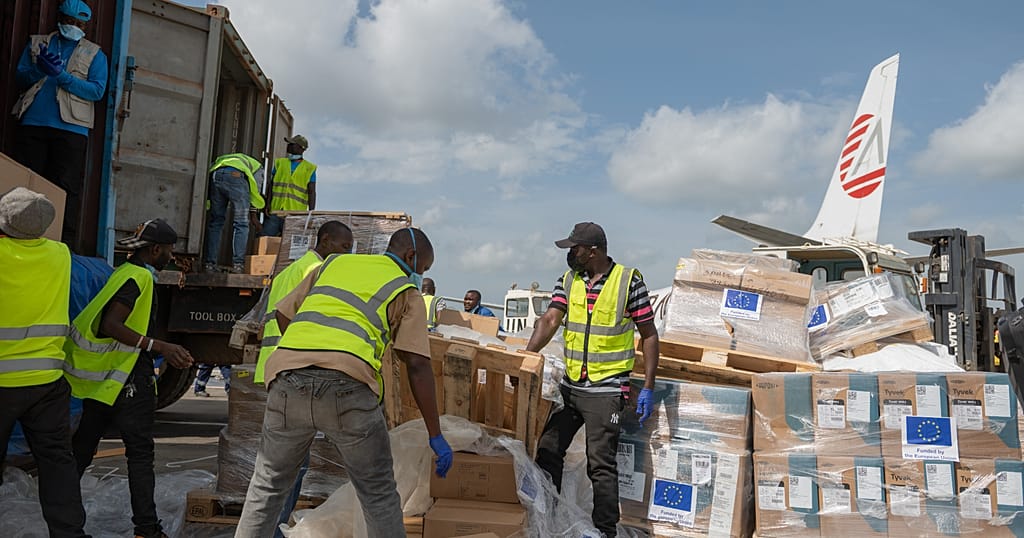
The financial response is led by Washington, which is attempting to build a regional firewall against the virus. As The East African reported, the US Department of State announced $80 million in bilateral assistance on May 27, bringing total US assistance to $112 million.
The funding is distributed across several high-priority channels:
However, the US strategy has hit a legal wall in Nairobi. A Kenyan court halted the $13.5 million preparedness plan after the Katiba Institute, a civic rights group, challenged the deal. This legal friction underscores the difficulty of implementing rapid-response health infrastructure in regions with strong civic oversight and political volatility.
Burial Resistance and the First Confirmed Recovery

Because there is no medical cure, the battle is being fought in the villages. In Ituri province, Africanews reports that Red Cross volunteers are struggling to implement safe burial protocols.
Ebola spreads through direct contact with bodily fluids, making traditional funeral services a primary vector for infection. Many families are resisting the handover of bodies to volunteers, driven by emotional attachment or traditional beliefs.
“There is a good level of acceptance within the community, apart from a few who are resistant because of certain beliefs. Perhaps because of their attachment or affection for a particular member. So now, the Red Cross team is stepping in to help persuade them to break down that resistance, so that the community will hand over the body to our volunteers for a dignified and safe burial.”
Despite the grim outlook, a medical milestone occurred on May 27. The WHO confirmed the first recovery of a patient with the Bundibugyo strain since this outbreak began. The patient was discharged after two negative tests. Anais Legand of the WHO’s High Threat Pathogens Team suggested that while this is the first confirmed recovery, others likely occurred among patients who were never formally tested.
The situation remains precarious. With a porous border and an active conflict zone in eastern Congo, the reliance on community outreach—training 100 volunteers in the Bunia health zone alone—is the only viable strategy. The coming weeks will determine if the combination of US funding and grassroots persuasion can outpace a virus that currently has no vaccine.