

Researchers from the Mass General Brigham Heart and Vascular Institute and the Broad Institute of MIT and Harvard found that dapagliflozin, a type 2 diabetes medication, significantly reduces heart failure risk in people with genetic cardiomyopathy variants. The findings, published in Nature Medicine, suggest that genetic screening could transform heart disease prevention strategies.
The study’s methodology utilized a large-scale longitudinal analysis to correlate specific genomic markers with clinical outcomes, focusing on the intersection of metabolic pathways and inherited structural heart defects.
Dapagliflozin reduces heart failure risk by 80 per cent in genetic carriers
A new study has identified a profound benefit for individuals predisposed to cardiomyopathy—an inherited condition that weakens the heart. While the medication dapagliflozin is primarily used to manage type 2 diabetes, its impact on those carrying specific genetic variants is remarkably high. According to The National News, the drug reduced the risk of heart failure in cardiomyopathy variant carriers by about 80 per cent compared to a placebo.
This effect significantly outpaces the drug’s performance in the general diabetic population. In the study, which tracked 12,685 patients over an average of 4.2 years, dapagliflozin reduced heart failure hospitalizations by 32 per cent in non-carriers. The disparity highlights how genetic predisposition can fundamentally change the efficacy of metabolic treatments.
As an SGLT2 inhibitor, dapagliflozin has previously secured FDA approval for treating heart failure with reduced ejection fraction (HFrEF), but this research specifically quantifies its impact on inherited cardiomyopathy variants.
However, researchers noted a critical limitation to these findings. Because every participant in the trial had type 2 diabetes, it remains unconfirmed whether the drug offers the same level of protection to cardiomyopathy variant carriers who do not suffer from diabetes.
Because the study population was restricted to individuals with Type 2 diabetes, the results cannot be extrapolated to cardiomyopathy carriers who are normoglycemic.
How glucose management supports cardiac function
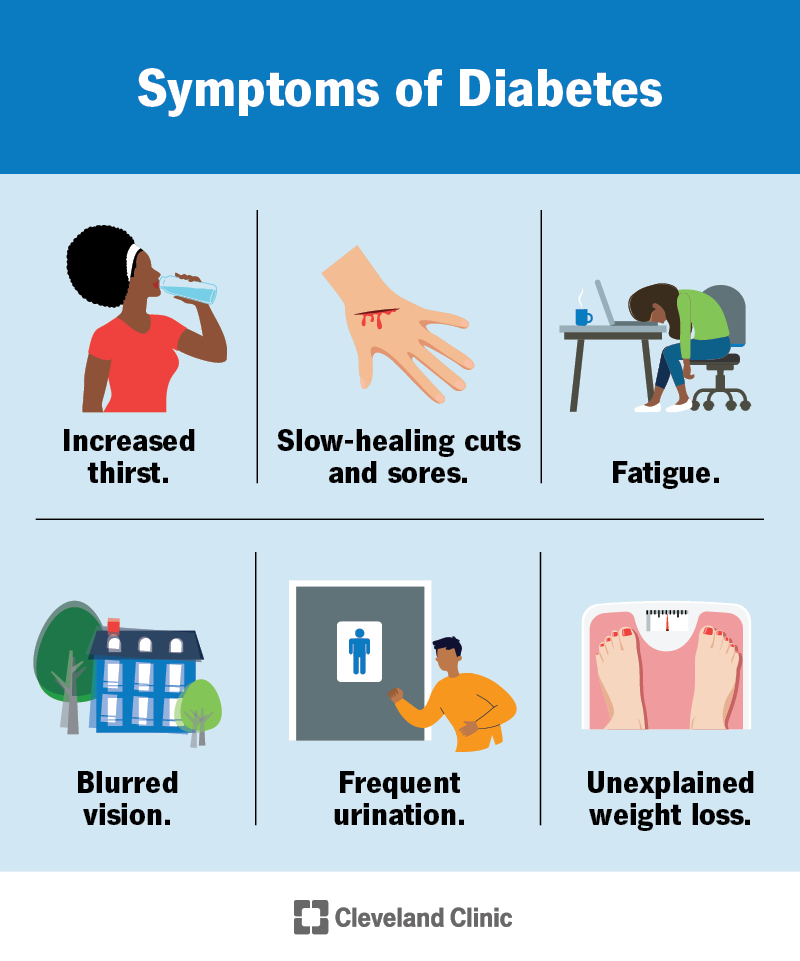
To understand why a diabetes drug affects the heart, one must look at the relationship between blood sugar and cardiovascular health. Diabetes occurs when the body cannot properly manage glucose, the primary energy source derived from carbohydrates. When the pancreas fails to produce enough insulin, or when cells resist its effects, glucose builds up in the bloodstream, leading to hyperglycemia. As Cleveland Clinic explains, chronically high blood glucose can eventually damage the heart, nerves, and eyes.
Dapagliflozin addresses this through a specific metabolic mechanism: it increases the excretion of both glucose and sodium through the urine. This process does more than just lower blood sugar; it appears to help the heart operate more efficiently. By managing these levels, the medication mitigates some of the systemic strain that typically leads to heart failure.
The drug’s mechanism involves the inhibition of the sodium-glucose cotransporter 2 (SGLT2) in the proximal tubules of the kidneys, a process that promotes natriuresis and osmotic diuresis. Clinical documentation for this class of medication includes potential side effects such as genital mycotic infections and risks of volume depletion or euglycemic ketoacidosis.
Bridging the gap between genetic risk and preventative therapy
For years, the medical community has struggled to provide actionable solutions for patients identified with high-risk genetic markers. Identifying a mutation often resulted in a diagnosis of risk without a corresponding path for intervention.
The recent data suggests that clinicians now have “tools to lower risk in these individuals” through targeted pharmaceutical intervention. This shift moves the clinical focus from reactive treatment to proactive management.
The implications for personalized medicine are significant. If clinicians can pair genetic screening with early pharmacological intervention, they may be able to intervene before physical damage becomes irreversible.
The practical application of these findings would likely fall under the field of pharmacogenomics. Implementing such targeted therapy would require clinicians to interpret genetic variants using standardized frameworks, such as those provided by the American College of Medical Genetics and Genomics (ACMG), and coordinate care between cardiologists and genetic counselors.
The escalating global diabetes and heart disease crisis
The urgency of finding such treatments is underscored by the massive scale of the diabetes epidemic. The global prevalence of the disease has surged, with the number of people living with the condition rising from 200 million in 1990 to 830 million in 2022. According to the World Health Organization, this rise is particularly rapid in low- and middle-income countries.

The WHO also notes that the rising prevalence of non-communicable diseases, including diabetes and cardiovascular disease, is placing unprecedented strain on healthcare systems in low-income regions. Additionally, the International Diabetes Federation (IDF) has noted that the global economic and clinical burden of diabetes-related complications is a growing concern, making the identification of high-efficacy treatments for vulnerable subgroups a public health priority.
- In 2021, diabetes was the direct cause of 1.6 million deaths.
- High blood glucose is responsible for approximately 11 per cent of all cardiovascular deaths.
- Diabetes-related kidney disease accounted for 530,000 deaths in 2021.
As mortality rates from diabetes have been increasing since 2000, the ability to use metabolic tools like dapagliflozin to prevent secondary complications like heart failure represents a vital frontier in public health. The next phase of research will likely focus on whether these protective benefits extend to the millions of people living with genetic heart risks who may not have diabetes.
Consequently, clinicians cannot conclude from this study that dapagliflozin will provide similar protection for cardiomyopathy patients who do not have a baseline diagnosis of Type 2 diabetes.
Consult your healthcare provider for medical advice or treatment options.
