
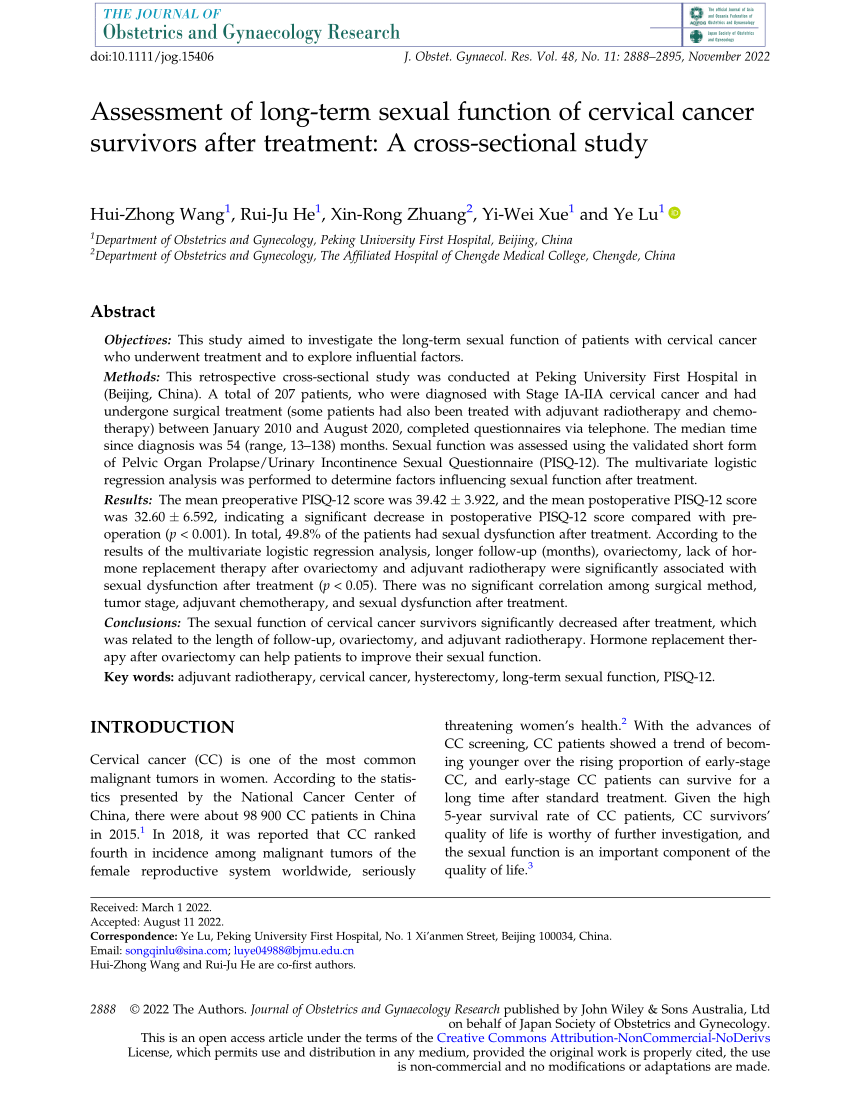
Female cancer survivors face significant long-term sexual health challenges, with reports indicating up to 80% experience sexual dysfunction symptoms long after treatment ends. Research shows that gynecologic cancer survivors report these concerns in as many as 90% of cases, highlighting a critical gap in survivorship care for young adults.
The physiological and psychological aftermath of cancer treatment extends far beyond initial recovery, particularly regarding reproductive and sexual health. Recent data indicates that sexual health concerns are widespread among survivors, with specific demographics facing higher rates of dysfunction and unmet medical needs.
High Prevalence of Sexual Dysfunction Among Female Survivors
Statistical evidence from ASCO Publications highlights a stark reality for women surviving various forms of cancer. According to their findings, sexual health concerns are reported in up to 90% of gynecologic cancer survivors. The prevalence remains high across other major diagnoses, with breast cancer survivors reporting issues in 75% to 90% of cases, and female lung cancer survivors reporting concerns in 77% of instances.
The duration of these issues is often long-lasting. Reporting from Oncology News Central notes that as many as 80% of female cancer survivors experience symptoms of sexual dysfunction
well after their primary treatment has concluded. These symptoms are particularly noted in survivors of breast and cervical cancers, though the broader impact on female survivorship is evident across multiple cancer types.
Unmet Needs in the Adolescent and Young Adult Population
The Adolescent and Young Adult (AYA) demographic faces unique challenges that differ from older survivor populations. This group often deals with the intersection of cancer recovery and critical developmental milestones, including dating, establishing relationships, and managing sexual identity.
Data from Oncology Nursing News suggests that the support systems for this group are currently insufficient. Approximately 30% to 60% of AYA survivors report unmet sexual health needs. This gap in care means that while survivors may be physically cleared of cancer, their concerns regarding sexual function and intimacy often remain unaddressed by clinical providers. Programs focusing on survivorship for this age group have identified that many young adults have fundamental questions regarding how cancer affects their ability to navigate relationships and sexual health in their daily lives.
Clinical Research and Institutional Findings
Academic research is increasingly focusing on these long-term outcomes to better understand the disparities between genders and specific cancer types. A study published in the journal *Cancer* in late 2024, which was analyzed in early 2026, investigated sexual dysfunction among long-term survivors of Hodgkin Lymphoma.
The research, involving clinicians from St. Jude Children’s Research Hospital, found that female cancer survivors are more likely than male survivors to report sexual dysfunction. The study included contributors such as Emily Hanzlik, MD, from the Department of Pediatric Medicine at St. Jude, and Noah D Sabin, MD, JD, from the Department of Diagnostic Imaging at the same institution. These findings underscore the necessity of gender-specific survivorship protocols that account for the higher incidence of sexual health issues in female patients.
As oncology moves toward more personalized survivorship models, the integration of sexual health assessments into routine follow-up care remains a primary objective for professional medical societies. The current data suggests that without targeted intervention, a significant portion of the survivor population will continue to face unaddressed long-term complications.
Consult your healthcare provider.
