Grief and burial traditions in Bunia

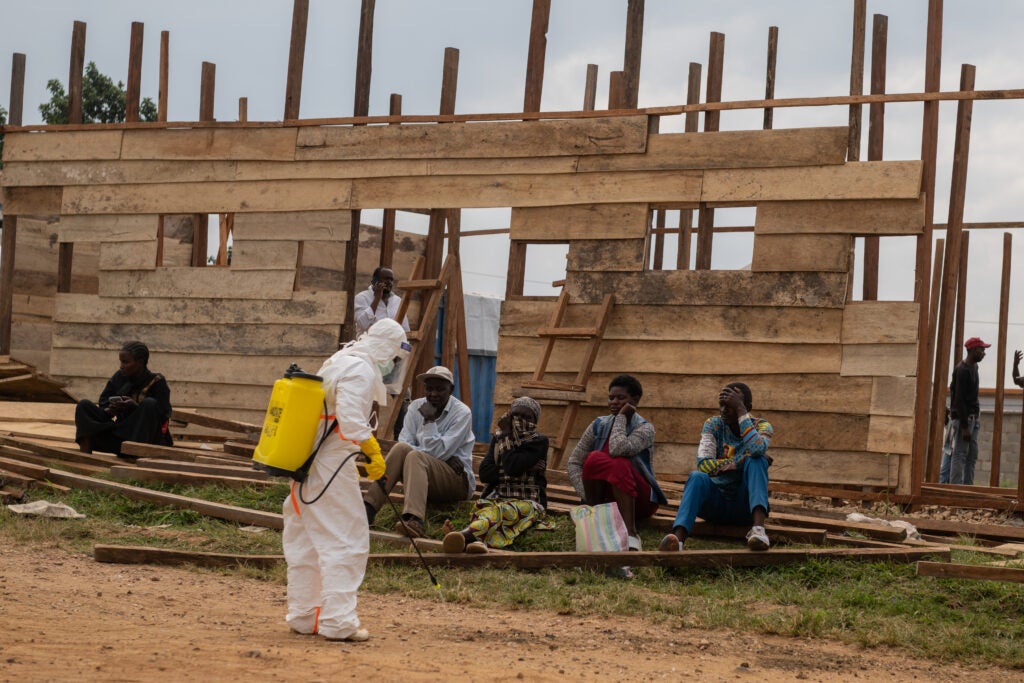
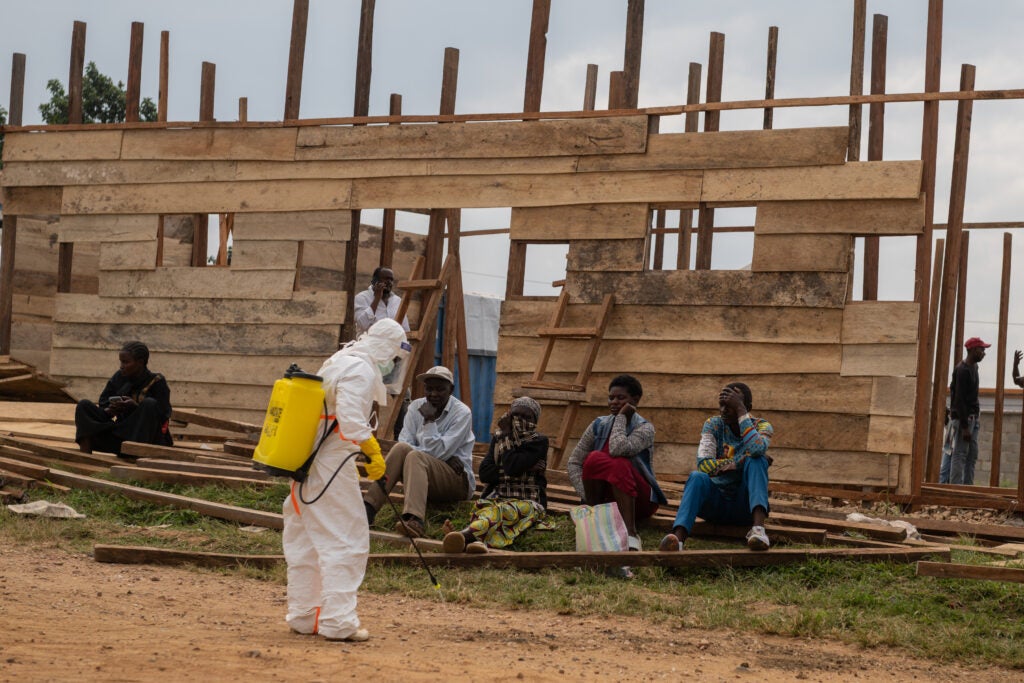
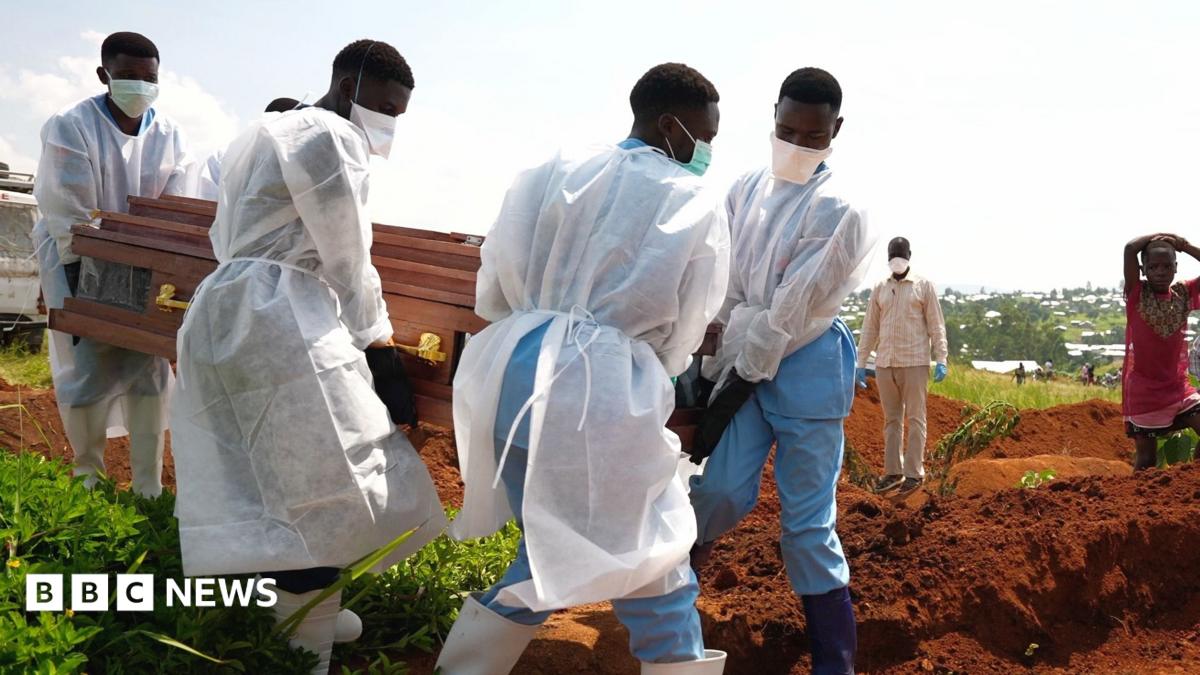
The Nyamurongo cemetery in Bunia, the epicenter of the current outbreak in north-eastern Democratic Republic of Congo, is experiencing an unusual surge in activity. Unlike typical funeral gatherings, the recent influx of mourners lacks the usual singing, ceremony, and large crowds.
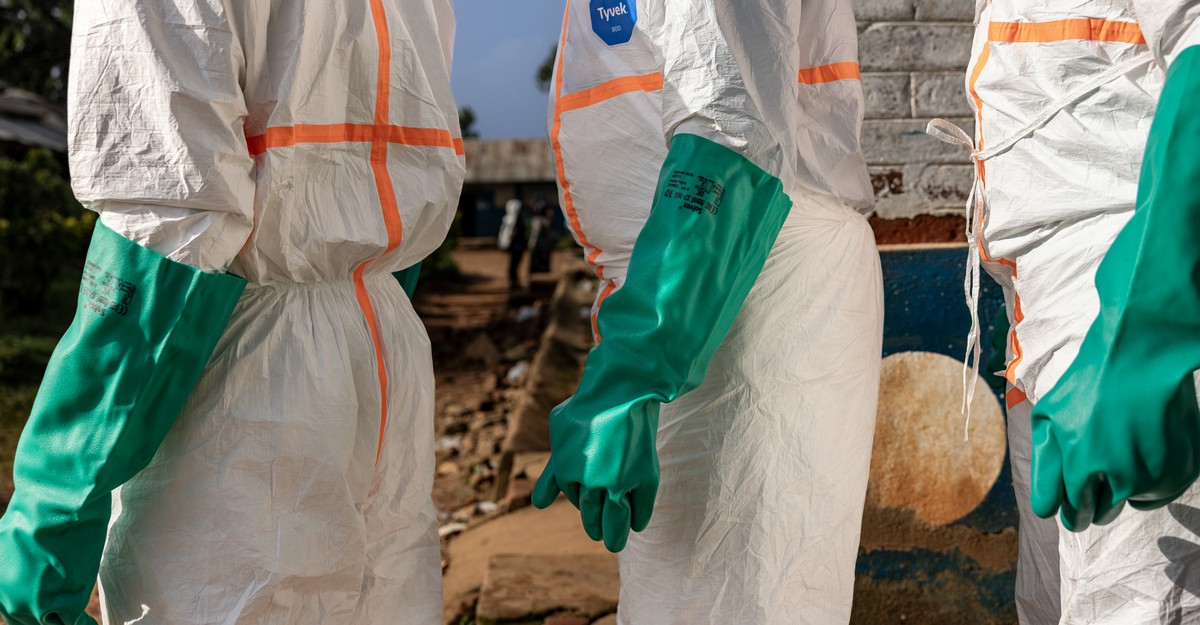
Authorities are currently struggling to combat misinformation while enforcing strict safety protocols. One traditional practice, the washing of deceased family members before burial, is now strongly discouraged to prevent the spread of the virus through contact with infected bodily fluids.
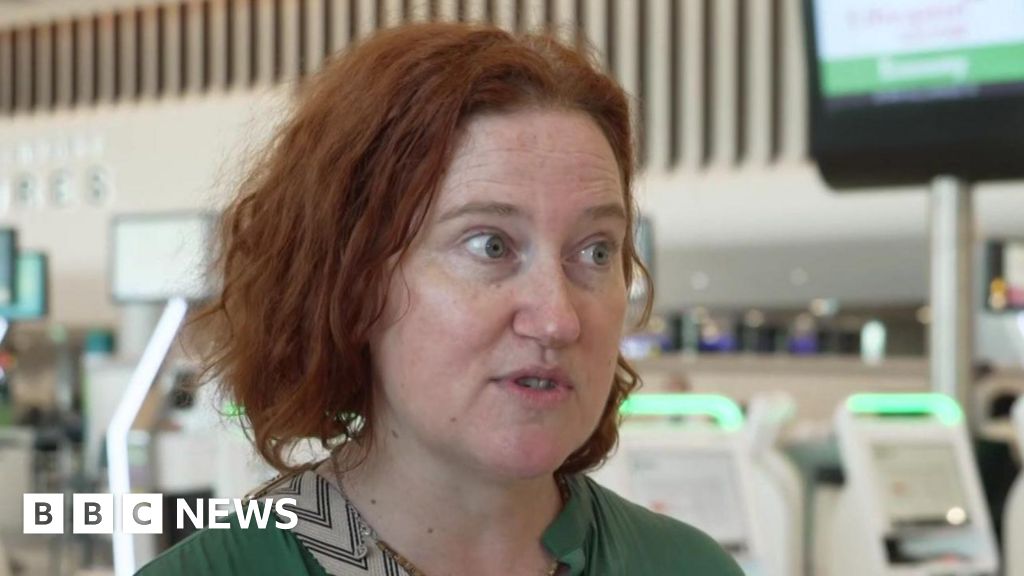
“Today is the sixth time I have come to the cemetery. Yesterday I buried my father. Today I have come to say goodbye to my mother.” Joel Lonza Makumbu, via BBC
For residents like Joel Lonza Makumbu, the crisis is deeply personal. Beyond his parents, Makumbu has lost three sisters and a brother-in-law to the virus. He is now attempting to spread awareness about the reality of the disease to his community.
“I want to say for all people [to hear] that Ebola is true.” Joel Lonza Makumbu, via BBC
The fallout from dismantling USAID
The current outbreak’s magnitude is being linked to a significant shift in how the United States manages international health security. After the July 2025 dismantling of the U.S. Agency for International Development (USAID), the vast majority of its staff and projects were terminated, with remaining operations absorbed by the U.S. State Department.
This institutional shift has altered the landscape of outbreak preparedness. According to the Harvard T.H. Chan School of Public Health, USAID previously served as the primary operational arm for combating infectious outbreaks, maintaining a permanent presence in high-risk regions like the DRC.
The loss of this permanent infrastructure has implications for early detection. In 2018, during a major Ebola outbreak in the DRC, USAID coordinated large-scale efforts including contact tracing and the vaccination of more than 300,000 people. Experts suggest that the current delay between the first suspected cases and the official declaration of this emergency may reflect the loss of these robust, permanent surveillance systems.
State Department funding and clinic expansion
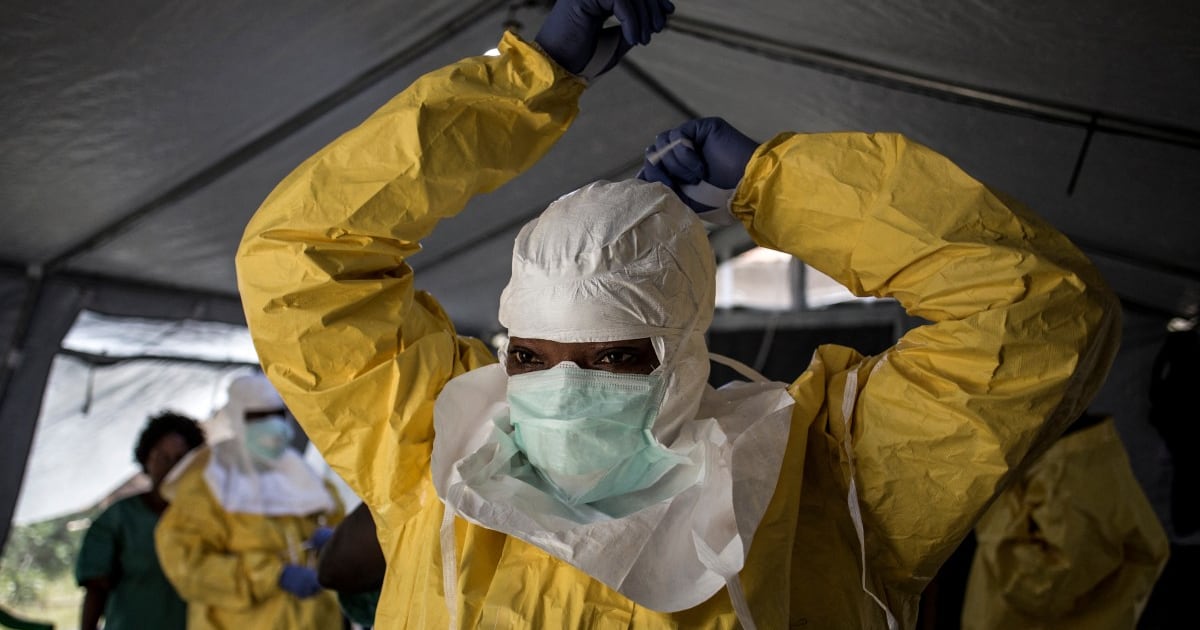
To address the growing crisis, the U.S. government has pivoted to emergency funding models to fill the gaps left by the dismantled USAID structure. This response focuses on immediate containment and the establishment of specialized medical facilities.
| Response Initiative | Details and Funding |
|---|---|
| Mid-May Emergency Funding | $23 million |
| Recent Additional Pledge | $20 million |
| Medical Infrastructure | 50 new clinics for screening and isolation |
| Technical Support | CDC emergency staff deployment |
The $23 million sent in mid-May is intended to support Ebola surveillance and prevention in both the DRC and Uganda. More recently, the State Department pledged an additional $20 million to bolster these efforts. While the deployment of CDC expertise and the creation of 50 new clinics dedicated to triage and treatment provide much-needed relief, analysts note that emergency funding is not a substitute for the sustained, long-term investments that characterize effective pandemic preparedness.
Bundibugyo strain risks and waning global attention
The current epidemic is driven by a rare species of the virus known as Bundibugyo. For this specific strain, there are currently no available drugs or vaccines. The virus is highly infectious, spreading through contact with blood, urine, vomit, semen, and breast milk, and it kills approximately one-quarter of those it infects.
Despite the biological threat, there are growing concerns regarding the political response. The Washington Post has warned that global attention has begun to wane even as the World Health Organization maintains the public health emergency status.
The stakes extend beyond Central Africa. Without sustained leadership and the restoration of robust international health security frameworks, experts suggest that the inability to contain outbreaks in the DRC could eventually pose a direct threat to global health security, including to the United States.
Find more reporting in our News section.