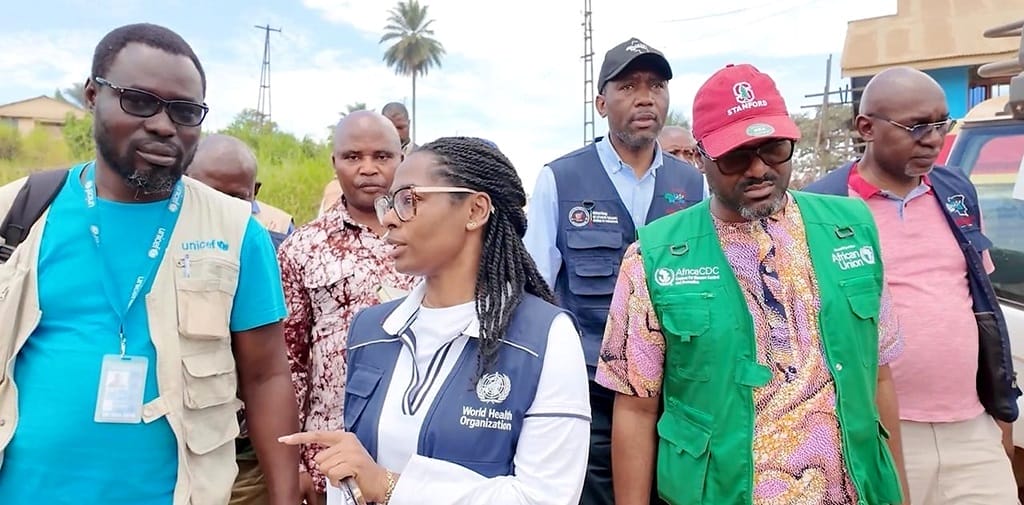
The World Health Organization and Africa CDC launched a $518 million joint response plan on June 9, 2026, to contain a Bundibugyo Ebola outbreak spreading from the Democratic Republic of the Congo into Uganda. The DRC has reported 550 confirmed cases and 101 deaths since the epidemic began on May 15.
Rising death tolls in DRC and Uganda
Photo: L’actualité
The Ebola outbreak is creating a humanitarian crisis across borders, driven by the rare Bundibugyo strain. Unlike the more common Zaire strain, this specific virus currently has no approved vaccine or medical treatment. This lack of pharmaceutical intervention places the entire burden of containment on rapid detection and strict movement controls.
In Uganda, the situation is escalating as the virus moves across the border. According to Le360 Afrique, the country has confirmed 19 cases and two deaths. Of these 19 patients, 13 are currently hospitalized in specialized quarantine facilities, while four have recovered.
The demographic spread in Uganda suggests significant cross-border movement. WHO Director-General Tedros Ghebreyesus noted that 14 involve people arriving from the DRC and five are Ugandan nationals.
Region
Confirmed Cases
Deaths
Democratic Republic of the Congo
550
101
Uganda
19
2
The situation in the Democratic Republic of the Congo remains significantly more severe. As L’actualité reported, the province of Ituri accounts for more than 90% of the 550 confirmed cases. While the outbreak began in mid-May, health officials believe the true number of infections is likely higher due to delays in diagnostic testing.
Diagnostic capacity expands to 800 tests daily
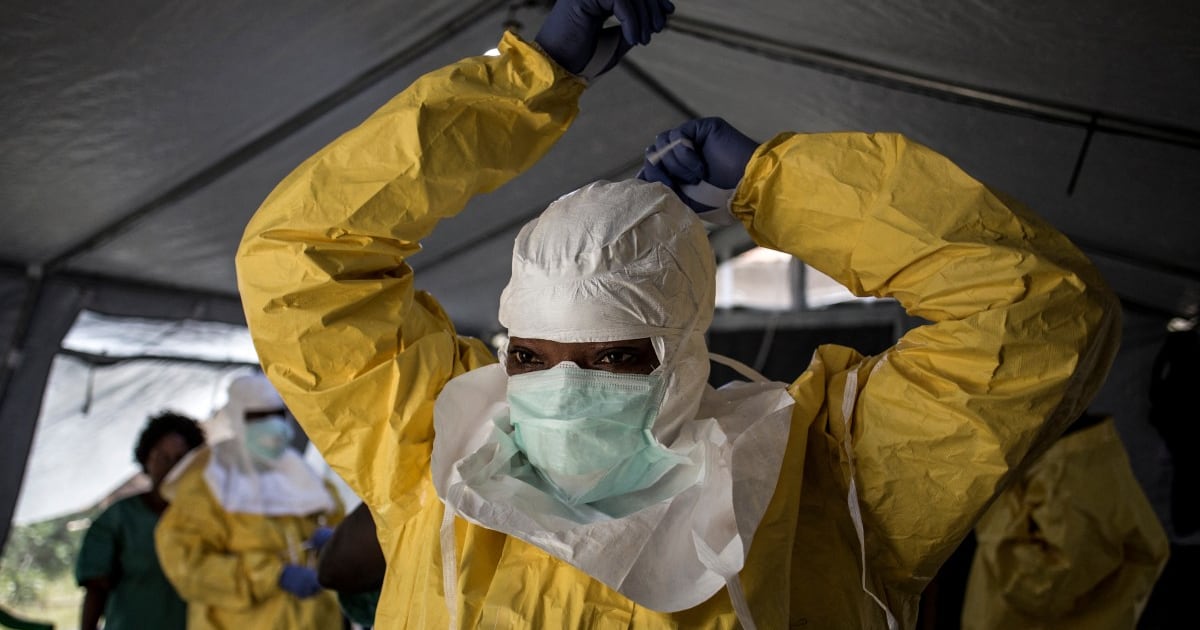
A critical component of the current response is the massive scale-up of laboratory infrastructure. During the initial weeks of the outbreak, testing was slow and results were often delayed for several days, allowing the virus to spread undetected.
Recent improvements have fundamentally altered the speed of the response. According to Azərtac, the capacity to perform tests has surged from approximately 40 per day to nearly 800. This expansion means that a suspect case identified in a community can now receive laboratory results within 24 to 48 hours.
“We have moved from a capacity of about 40 tests per day to nearly 800,” Dr.
Photo: dw.com
This acceleration is vital for contact tracing. Dr. Belizaire noted that the epidemic spreads through population movements, and rapid testing allows authorities to identify and monitor individuals during the 21-day incubation period.
Conflict and superstition hinder containment
Despite technical advances, the medical response faces two major non-biological obstacles: armed conflict and deep-seated social mistrust. In the eastern DRC, the presence of various rebel groups and militants has created “no-go” zones for health workers.
The presence of armed groups, including those with links to Daech, disrupts surveillance and increases the risk of undetected transmission. This instability is compounded by direct violence; health workers have faced attacks from local residents who are skeptical of medical interventions.
In Goma, youth-led organizations are attempting to combat this skepticism through direct community engagement. Members of the U-Report network are using megaphones in public markets to promote hygiene and debunk rumors.
“We, the youth, along with other local organizations, have mobilized. We are organizing meetings to assess the danger this virus poses to the community. We are joining forces to raise awareness and show the population the importance of protecting themselves,” Prince Biringanine, U-Report member, via
WHO and Africa CDC Put a $518M Plan Behind Ebola Response | Ebola Watch Jun 5
In other areas, such as Mongbwalu, the crisis is being framed through the lens of superstition. DW reports that some residents have attributed deaths to witchcraft rather than the virus. Dr. Belizaire noted instances where communities believed a coffin brought from Uganda was a tool of sorcery, highlighting the need for health officials to work closely with religious and community leaders rather than through confrontation.
Photo: Le360 Afrique
To address these overlapping crises, the Africa Centres for Disease Control and Prevention and the World Health Organization have initiated a joint continental preparedness plan. The program, which runs from June to November 2026, requires $518 million in funding from international and regional partners.
The strategy, described as a “single response” approach, aims to harmonize the efforts of governments and local communities across ten priority countries identified as vulnerable. According to Le Brief, the plan focuses on:
Strengthening epidemiological surveillance and laboratory diagnostics
Coordinating emergency interventions and clinical patient management
Improving logistics and operational research
Enhancing cross-border coordination and border controls
The mission extends beyond Ebola. Officials are attempting to integrate the response with efforts to manage other ongoing outbreaks, including mpox, cholera, and measles, to prevent the fragmentation of scarce medical resources.
As Tedros Ghebreyesus met with Ugandan health officials to evaluate the country’s capacity to prevent further exportation of cases, the next six months will determine if this massive influx of capital and coordination can outpace the Bundibugyo virus.