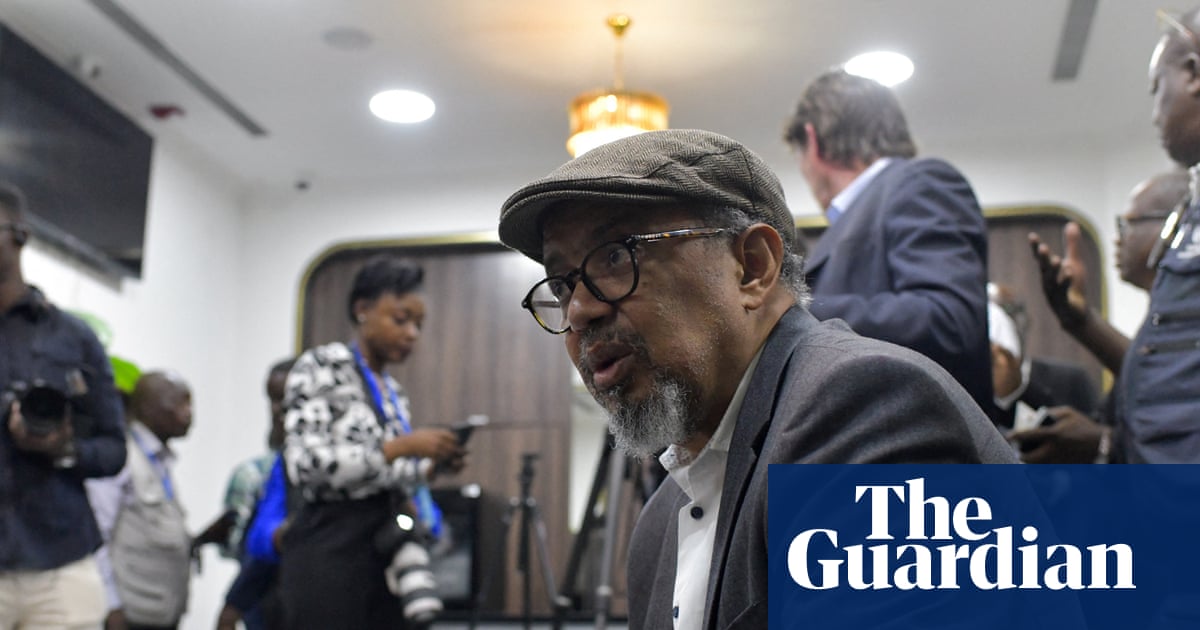
World Health Organization Director-General Tedros Adhanom Ghebreyesus arrived in the Democratic Republic of the Congo on May 29, 2026, to combat a deadly Ebola outbreak. Centered in Ituri province, the epidemic involves the Bundibugyo virus strain, which currently lacks an approved vaccine or treatment, amid ongoing regional conflict and funding shortages.
The crisis is not merely a medical failure but a systemic one. In the epicenters of the outbreak, such as Rwampara, the infrastructure is practically non-existent. According to reporting from the NZ Herald, the absence of ambulances has forced residents to rely on motorbikes to transport symptomatic patients, creating high-risk exposure for drivers and bystanders.
The biological threat is compounded by the specific nature of the pathogen. This outbreak is caused by the Bundibugyo virus, a rare strain of Ebola for which no approved treatment or vaccine currently exists. While the WHO reports a case fatality rate under 25%—lower than previous outbreaks—the lack of medical countermeasures leaves frontline workers vulnerable.
Resource scarcity has reached a critical point in Ituri province. Some doctors have been forced to use expired medical masks to treat suspected patients. While the European Union has begun delivering essential supplies—including gloves, boots, and medications—to the town of Bunia, the arrival of aid is trailing the spread of the virus.
The Funding Gap and US Intervention
United States
Financial commitments to the crisis are volatile. On Thursday, the United States announced an increase in aid to Congo and Uganda by US$80 million, raising its total commitment to more than US$112 million since the outbreak began. According to the US State Department, these funds are earmarked for Ebola test kits, personal protective equipment, and airport screening.
However, the broader regional response is struggling with inconsistent pledges. Dr. Jean Kaseya, director-general of the Africa Centres for Disease Control, noted a sharp decline in available funds.
Funding Status
Pledge Amount
Date/Timeframe
Initial Pledges
US$500 million
Monday, May 25
Adjusted Total
US$290 million
Thursday, May 28
The dwindling total reflects a trend of partners withdrawing or reducing their commitments just as the WHO declares a public health emergency of international concern. While Dr. Kaseya expressed hope that a vaccine for the Bundibugyo strain could be ready by the end of the year, the current gap in funding threatens the immediate containment effort.
Border Closures and the Kenya Quarantine Controversy
cluster (priority): NZ Herald
The outbreak has already spilled across borders, prompting aggressive containment measures from neighboring states. Uganda, which has recorded one death and six cases, has shut its border with the DRC with immediate effect. The Ugandan government is also imposing a 21-day quarantine on all arrivals from the DRC.
Parallel to these closures, a diplomatic and legal friction point has emerged in Kenya. The Guardian reports that the US is working to open a treatment and quarantine facility in Kenya, primarily intended for affected US citizens.
The move has not been welcomed by all. A Kenyan rights group has filed a court challenge to limit the facility’s operations, arguing that it could place an undue burden on Kenya’s already stretched health system. To date, Kenya has screened approximately 55,000 people crossing from Uganda without confirming a local Ebola case.
The Collision of War and Medical Distrust
Aid supplies reach heart of Congo's Ebola outbreak as WHO head travels to Kinshasa
The most significant barrier to containment is the “catastrophic collision” of a viral epidemic and active warfare. The outbreak is centered in a mineral-rich region of the DRC where armed groups frequently clash.
“Conflict and displacement make everything harder. I am making a direct appeal to all warring parties in this region: please, declare a ceasefire. No cause, no conflict, no grievance is worth condemning innocent people to death from a preventable disease.”
Tedros Adhanom Ghebreyesus, WHO Director-General
Violence is not only hindering the movement of aid but is actively dismantling the medical response. Tedros warned that clashes are “driving mass displacement, pushing exposed contacts into overcrowded camps and severing critical containment corridors.” Attacks on health facilities have made the tracking of cases and contacts nearly impossible.
Beyond the violence, there is a profound psychological barrier. Stringent medical protocols for handling the bodies of victims often clash with local burial rites, leading to community anger. In Ituri province, residents have launched at least three attacks against health centers.
Congolese Health Minister Samuel Roger Kamba emphasized that resistance is a common feature of these epidemics.
“Communities always ask themselves, ‘What’s going on?’ And in epidemics like this one, it is really risk communication and community engagement that ultimately change perceptions.”
Samuel Roger Kamba, Congolese Health Minister
Divergent Data and the Path Forward
cluster (priority): news.google.com
Accurate data remains elusive, as the virus is believed to have circulated under the radar for some time. There is currently a discrepancy in reported casualties between major sources. 1News reports 336 suspected cases and 88 deaths, while The Guardian cites WHO figures as of May 24 showing more than 1,000 confirmed and suspected cases, with 10 confirmed and 223 suspected deaths.
The path to resolution depends on three factors: a ceasefire in Ituri, the stabilization of the Africa CDC’s funding, and the acceleration of clinical trials for the Bundibugyo vaccine. Without these, the DRC faces the risk of a repeat of the 2018–2020 outbreak, which claimed nearly 2,300 lives.
For those monitoring the situation or traveling in the region, it is essential to follow official health guidelines. Always consult your healthcare provider for medical concerns or vaccination inquiries.