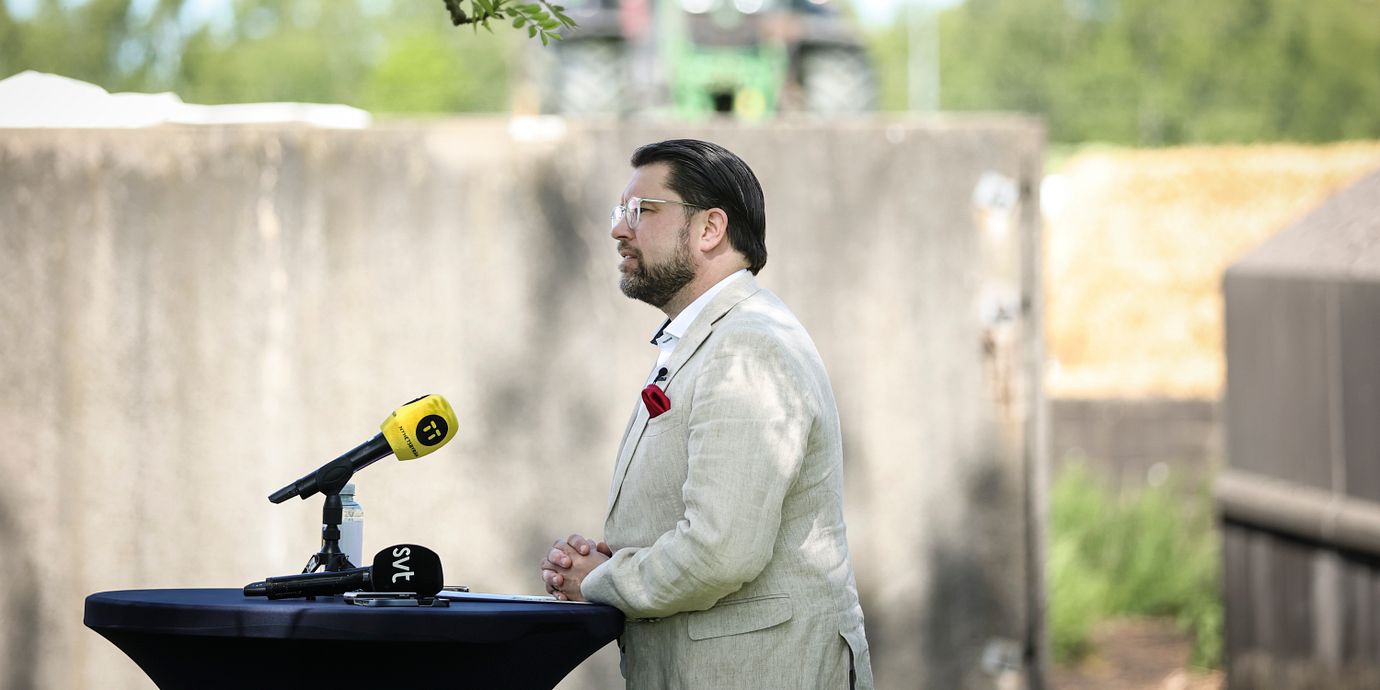
Sverigedemokraterna leader Jimmie Åkesson recently presented a 37-point rural policy program in Klippan aimed at increasing Sweden’s food self-sufficiency. The plan proposes state credit guarantees for new farmers and tax incentives for green industries to counter an aging agricultural workforce and reduce dependence on foreign food imports.
The 37-Point Blueprint for Food Self-Sufficiency
The 37-Point Blueprint for Food Self-Sufficiency
The strategic pivot toward national food security is the cornerstone of the new rural agenda unveiled by Jimmie Åkesson. According to Omni, the party has put forward 37 distinct proposals designed to revitalize the countryside, with the primary objective of ensuring that more of the food consumed within Sweden is produced domestically.
This push for self-reliance extends beyond simple production quotas; it targets the educational pipeline. To ensure a steady stream of new agricultural professionals, the party suggests expanding the availability of agronomist training. This includes exploring the possibility of offering these programs at more locations across the country or transitioning them to distance learning to remove geographic barriers for prospective students.
Financial Lifelines and the Capital Barrier
cluster (priority): Aftonbladet
One of the most significant hurdles for the next generation of Swedish farmers is the sheer cost of entry. As Aftonbladet reports, Åkesson is pushing for state credit guarantees to facilitate generational shifts in farm ownership.
“It is not entirely easy today to take over a farm that is extremely capital-intensive, not least.”
Jimmie Åkesson, Leader of Sverigedemokraterna
The party views these guarantees as an essential tool to prevent agricultural land from falling out of production as the current generation of farmers ages. By lowering the financial risk for new entrants, the policy aims to stabilize the rural economy and secure the long-term viability of Swedish farming.
"Jag bryr mig inte om Zara Larsson". Jimmie Åkesson gästar Fördomsshowen / SVT Play
To make rural employment more attractive, the program proposes a direct reduction in labor costs. Specifically, the party wants to eliminate the general payroll tax for up to three employees in every company operating within green industries. This targeted tax relief is intended to lower the overhead for small-scale rural businesses, making it more affordable to hire and retain staff.
However, the party’s vision for the countryside frequently clashes with European Union mandates. A major point of contention is the EU’s emissions trading system. Åkesson has stated that green industries should be exempt from these regulations to maintain competitiveness.
“We do not want it to be introduced at all—but if it becomes a reality, Sweden should work hard so that it does not encompass agriculture.”
Jimmie Åkesson, Leader of Sverigedemokraterna
The Promise Gap: Arena Idé’s Critique of the Tidö Era
cluster (priority): Omni
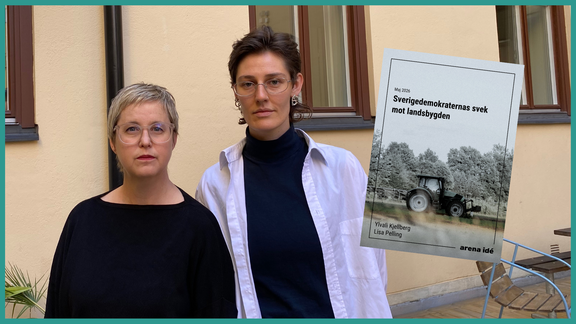
While the new 37-point plan looks forward, a critical analysis of the party’s recent track record suggests a disconnect between rhetoric and results. A report from Arena Idé, titled “Sverigedemokraternas svek mot landsbygden” (Sverigedemokraterna’s betrayal of the countryside), examines how the party has handled its 2022 election promises since gaining influence through the Tidö agreement.
The report acknowledges that some promises were kept, noting that road maintenance has been prioritized and fuel taxes have been lowered. The preservation of Bromma Airport was also cited as a fulfilled commitment. Yet, these wins are framed as coming at the expense of other critical rural needs.
The discrepancies identified in the Arena Idé report include:
Infrastructure Imbalance: While roads improved, railway maintenance has lagged behind, hindering travel from regions like Blekinge.
Environmental Stagnation: Efforts toward electrification and biofuels have reportedly slowed, stalling the green transition.
Fiscal Misalignment: Tax cuts are viewed as primarily benefiting high-earners in urban centers rather than rural residents.
Labor Shortages: Competence deportations and budget cuts at the Employment Agency have complicated the supply of skilled labor for rural industries.
The Travel Deduction: A proposed travel deduction that would have specifically benefited rural commuters was stopped by Sverigedemokraterna.
The tension between these findings and the new proposals suggests a party attempting to recalibrate its rural image. By focusing on food self-sufficiency and credit guarantees, the party is doubling down on the agricultural sector, even as critics argue that the broader rural infrastructure and the green energy transition have been neglected during their time in power.