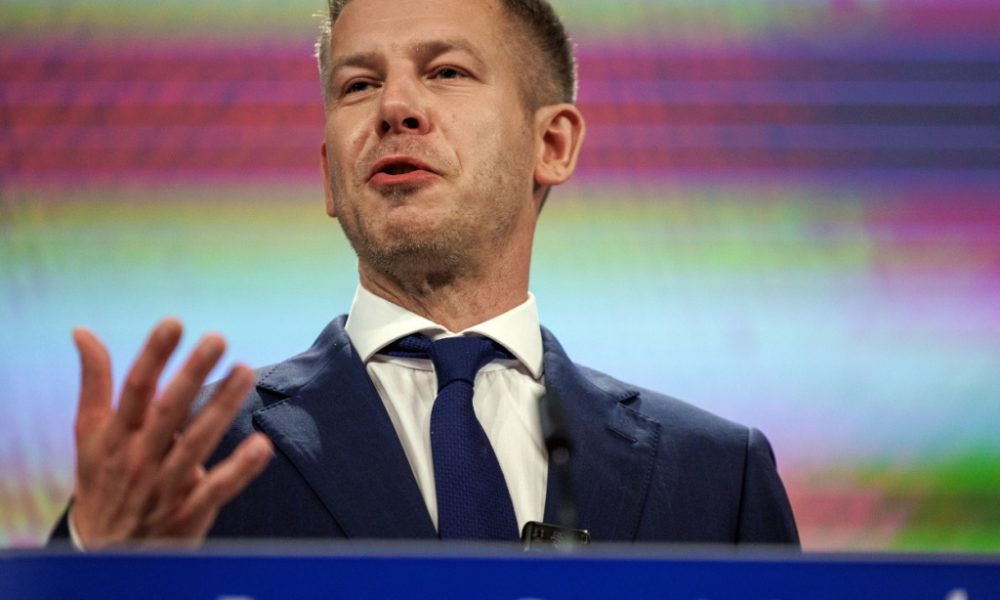
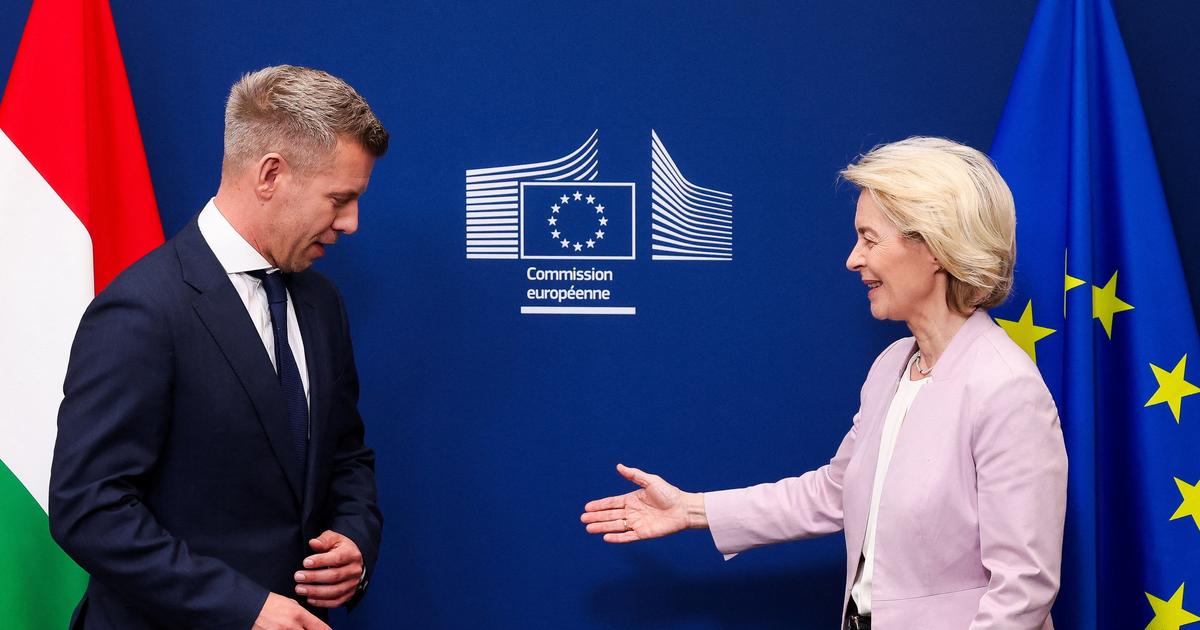
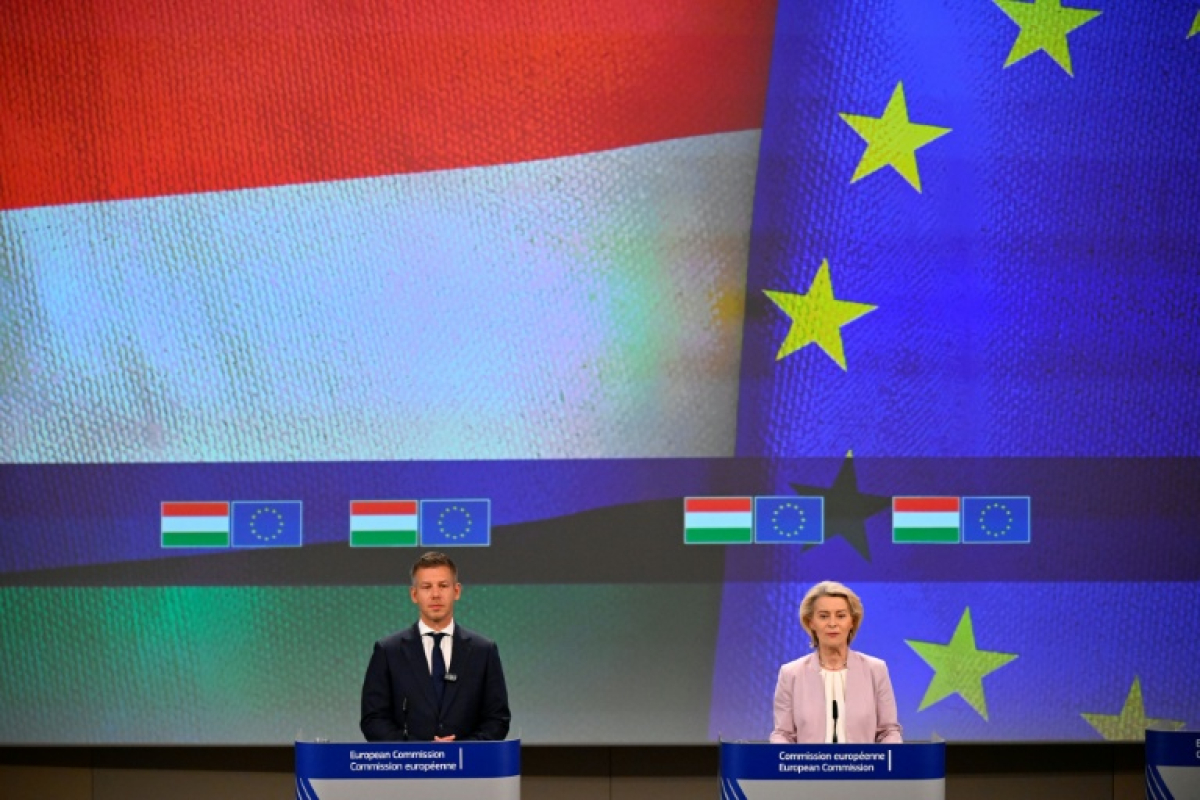
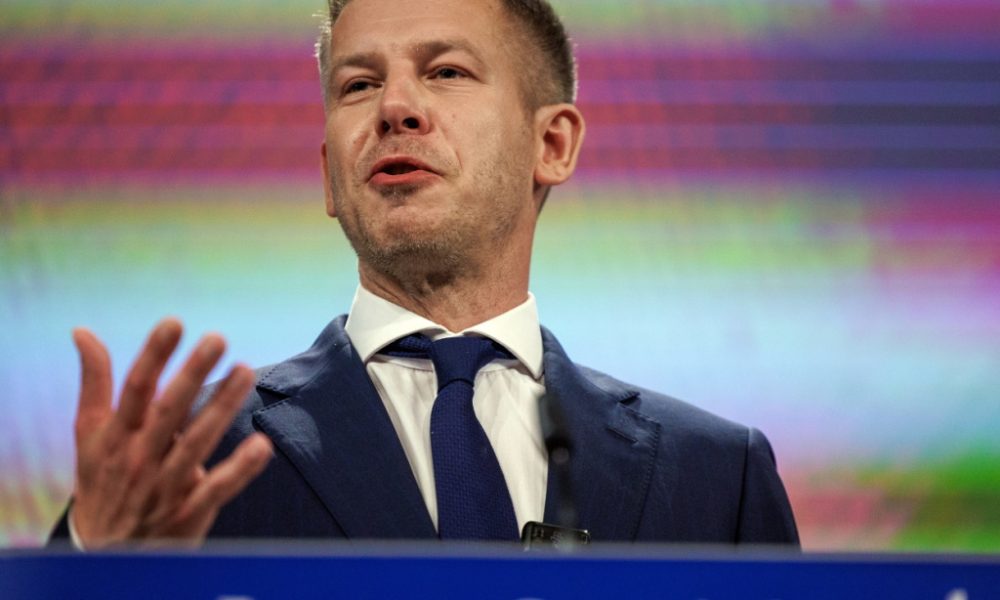
European Commission President Ursula von der Leyen announced the release of over 16 billion euros in frozen funds for Hungary on May 29, 2026. The decision follows the mid-April election of Prime Minister Peter Magyar, whose pro-EU reforms on corruption and the rule of law aim to end years of diplomatic isolation.
The atmosphere in Brussels has shifted from cautious endurance to active celebration. After 16 years of navigating the obstructionism of Viktor Orban—whose ties to Vladimir Putin and Donald Trump frequently paralyzed EU decision-making on Ukraine—the arrival of Peter Magyar has been greeted as a strategic victory.
During a press conference in Brussels, von der Leyen described a strong wind of change blowing through Hungary, praising a government that is moving with determination to align itself with European standards.
But the financial thaw is not unconditional. While Boursorama reports the sum of unlocked funds exceeds 16 billion euros, the release is strictly tied to a “solid framework” designed to ensure Budapest aggressively tackles corruption and restores the rule of law.
The 10 Billion Euro Deadline and Funding Discrepancies
cluster (priority): Le Figaro
Despite the optimistic rhetoric from the Commission’s leadership, the fine print reveals a more precarious timeline. There is a notable discrepancy in the reported totals: while some sources cite 16 billion euros, La République des Pyrénées reports that 18 billion euros remain frozen.
For Prime Minister Magyar, the urgency is not just about the total sum, but a specific 10 billion euro envelope that risks being permanently blocked by the end of August if a final decision is not reached. This creates a high-stakes window for negotiations that EU spokesperson Paula Pinho warned have “just begun.”
“If every time I come here I am given this much money, I might risk coming more often.”
Peter Magyar, Prime Minister of Hungary
The strategy mirrors the 2024 approach taken with Poland, where the EU released billions shortly after the pro-European government of Donald Tusk provided initial guarantees of reform.
Dismantling the Orban Legacy
cluster (priority): Boursorama
Magyar is not merely asking for money; he is systematically erasing the legal architecture of the previous administration. The most significant signals of this pivot occurred this week. On Wednesday, Magyar’s party—which holds a wide majority in Parliament—voted to abandon Viktor Orban’s plan to withdraw from the International Criminal Court (ICC).
Furthering this integration, Magyar announced in Brussels his intention to formally notify the Commission that Hungary will join the European Public Prosecutor’s Office. These moves address the primary grievances that led to the funds being frozen in the first place: conflicts of interest and the erosion of judicial independence.
The funds were originally blocked due to Orban’s policies regarding asylum seekers and the rights of LGBT+ individuals. By pivoting toward the ICC and the European Public Prosecutor, Magyar is attempting to signal that Hungary is no longer a “spoiler” state within the union.
The Foreign Supermarket Tax Standoff
Brussels recommends freezing €7.5 billion in EU funds to Hungary over rule of law concerns
However, the “honeymoon” period has its limits. Magyar has signaled that he will not abdicate to every European demand, particularly when it comes to immediate revenue. The primary point of friction is a 2022 tax on foreign supermarket chains.
This tax scales based on sales volume, meaning larger, integrated foreign chains pay higher rates than smaller, domestic Hungarian franchises. According to BFM, the European Commission has already taken the matter to the Court of Justice of the European Union (CJEU), arguing the tax violates the freedom of establishment for European companies.
Magyar has asked for patience, citing a fragile national budget. He has refused to withdraw the tax until the 2026 budget is finalized, arguing that the priority is a budget based on reliable data to relaunch growth.
Budgetary Pressure and the 2030 Eurozone Goal
cluster (priority): news.google.com
The tension over the supermarket tax is rooted in a dire fiscal reality. Hungary is struggling with a mounting deficit that complicates its broader ambition: joining the Eurozone by 2030.
The fiscal trajectory shows a worrying trend:
2024: 5.1% budget deficit
2025: 4.7% budget deficit
2026 (Expected): Over 6% budget deficit
To correct this, Magyar is attempting a delicate economic pivot. He is moving away from a reliance on low-cost labor and has rejected the price caps previously implemented by the Fidesz party. Instead, his administration prefers lowering VAT on food products to combat inflation, which has averaged 2% since February.
This economic restructuring is happening against a backdrop of wider European instability. While Hungary seeks a fresh start, other major economies are stumbling; recent data suggests France has seen a 0.1% dip in GDP in the first quarter of 2025, with inflation rising to 2.4% in May.
For Magyar, the 16 billion euros are not just a political reward—they are a necessary lifeline. The next 90 days will determine if the “wind of change” is strong enough to overcome the structural deficits and legal disputes left behind by the Orban era.