U.S. Central Command completed self-defense strikes against Iranian military surveillance and air defense sites on June 10, according to official reports. The operation follows increased regional aggression, prompting the U.S. President to threaten a major strike on Iranian oil infrastructure and the seizure of Kharg Island.
CENTCOM Targets Air Defense and Communications
Photo: India.Com
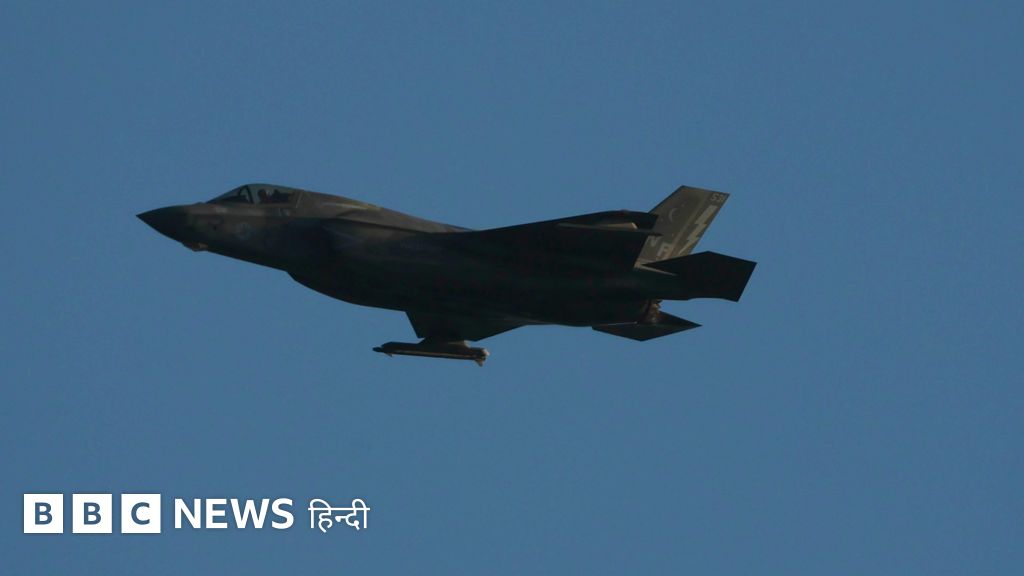
U.S. Central Command (CENTCOM) reported that forces conducted strikes across Iran on Wednesday to target military surveillance capabilities, communication systems, and air defense installations. According to BBC reporting, the U.S. Marine Corps, Air Force, and Navy utilized precision weapons to neutralize sites identified as threats to American forces and international commercial vessels operating in regional waters.
The strikes were framed by the agency as a necessary response to what they described as continuous and unjustified Iranian aggression. While the U.S. focused on defensive infrastructure, the Islamic Revolutionary Guard Corps (IRGC) claimed to have retaliated by targeting two vessels within the Strait of Hormuz.
Reports of significant kinetic activity have emerged from several Iranian locations. Explosions were reported on Qeshm Island, as well as in the cities of Bandar Abbas and Sirik.
The Strategic Stakes of Kharg Island
Photo: Navbharat Times
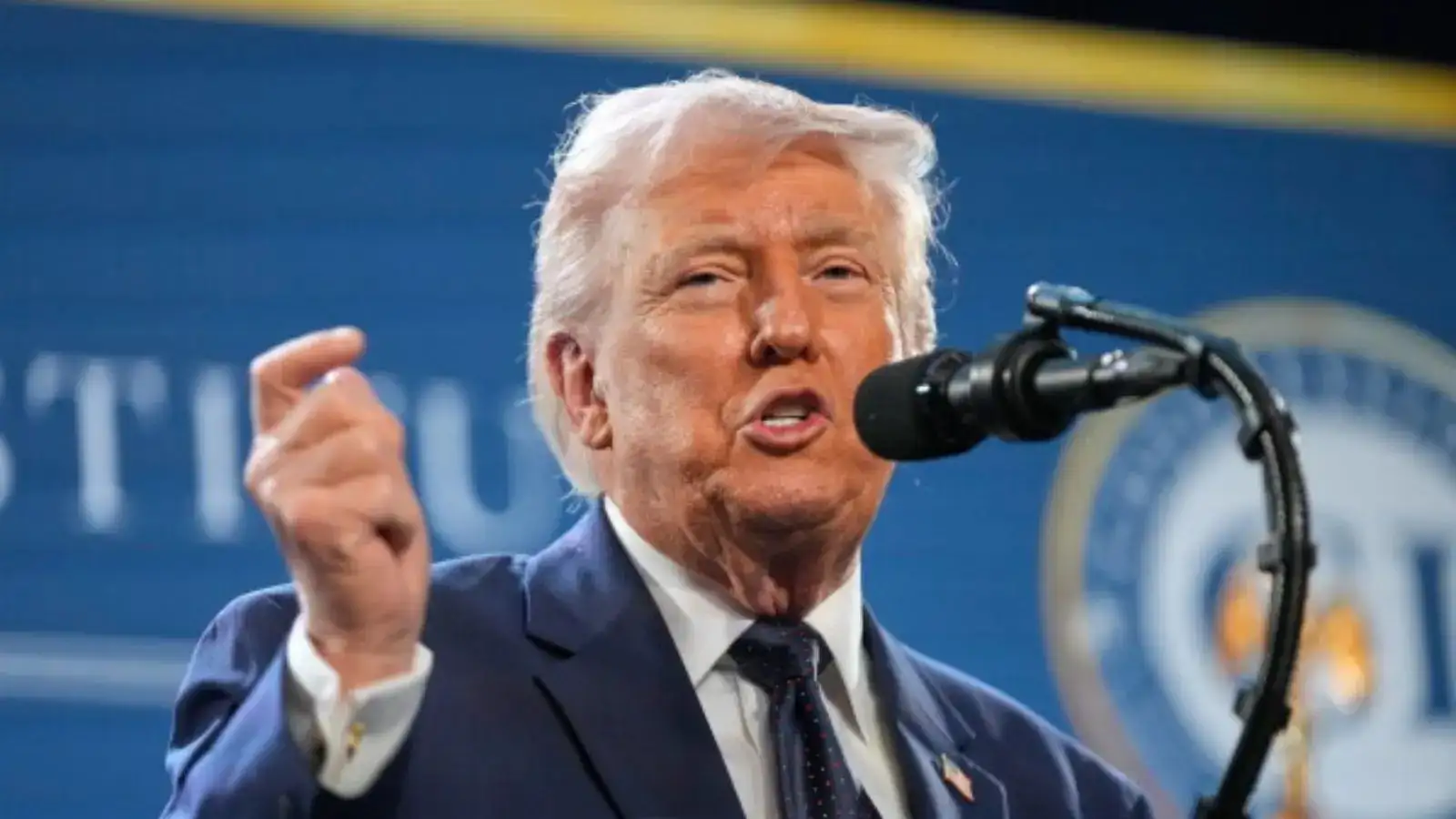
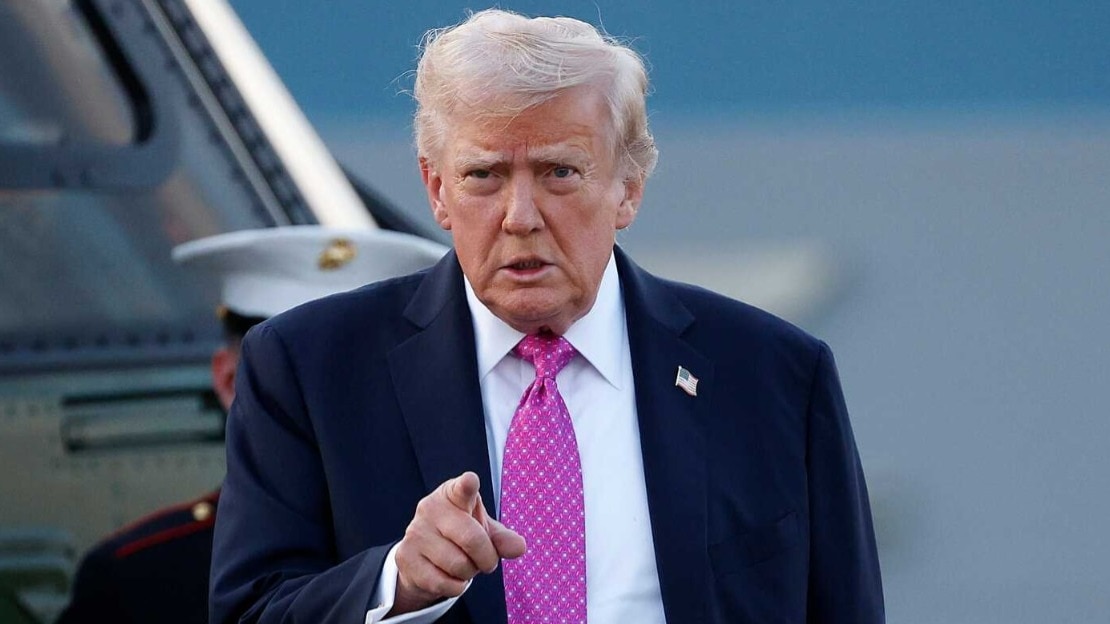
The escalation has shifted the focus toward Iran’s energy sector. President Donald Trump announced via social media that the United States would launch a “very heavy attack” on Iran, signaling an intent to move beyond military installations to critical economic infrastructure.
A central component of this strategy involves Kharg Island. As AajTak reported, the President threatened to seize the island and other oil-related infrastructure to gain total control over the nation’s oil and gas markets. He explicitly compared this intended move to the U.S. approach regarding Venezuela.
Kharg Island serves as the backbone of Iran’s petroleum economy. The island facilitates the export of approximately 2 million barrels of crude oil every day, with a significant portion of that supply destined for China.
“America will hit Iran very hard tonight. In the future, we will take Kharg Island and other oil-related infrastructure and take complete control over their oil and gas markets, just as we did in Venezuela—which is proving to be very good for both Venezuela and America.”
Donald Trump, via Truth Social
Satellite Images of Damaged Military Sites
Iran Claims Attacks On 2 Vessels In Strait Of Hormuz Following Closure; US Denies Claims | Watch
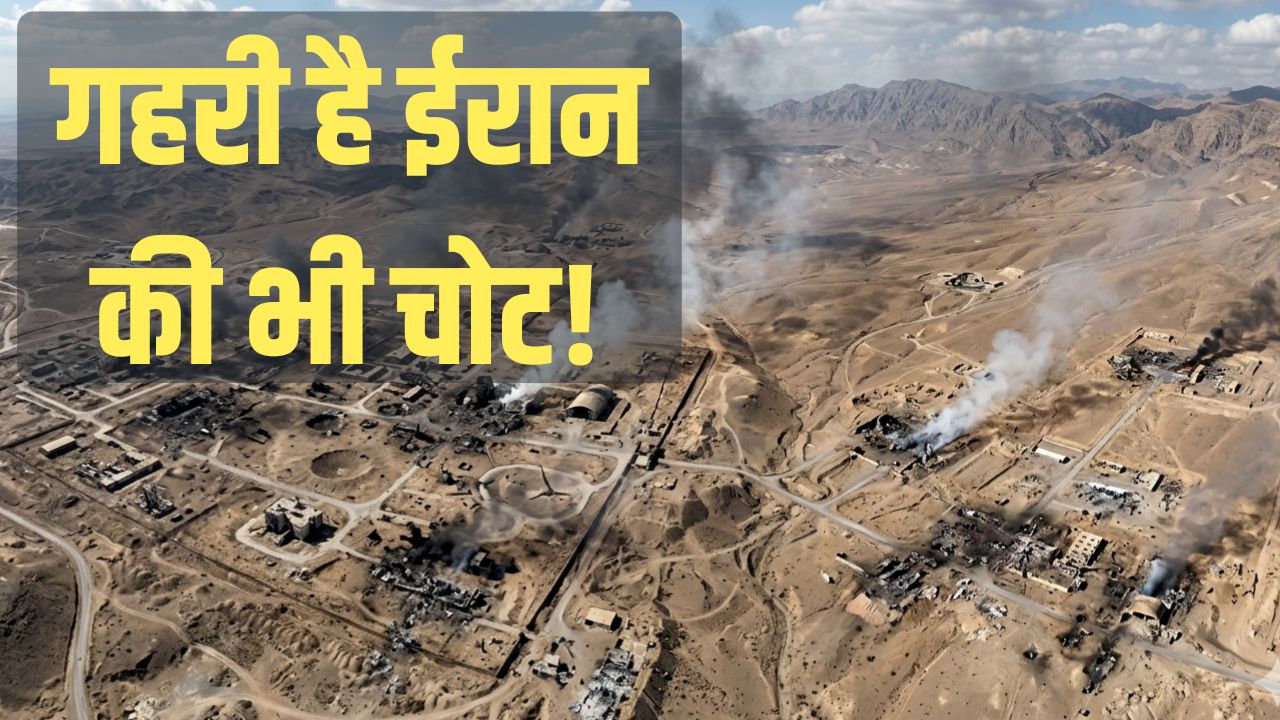
The scale of the ongoing conflict is reflected in recent intelligence assessments. Satellite imagery has provided a window into the extent of the destruction occurring across the Iranian plateau.
According to India.com, satellite photos reveal that more than 50 military sites have suffered significant damage since strikes began in late February 2026. These damaged locations include IRGC headquarters, air force jet facilities, warships, and ballistic missile sites.
U.S. officials claim that over the past four months, they have conducted more than 13,000 strikes throughout Iran. Despite a recent period of temporary ceasefire, reports indicate that Tehran has utilized the lull to repair tunnel entrances at several critical missile facilities.
Iran’s Threat to Regional Energy Exports
Tehran has signaled that it will not retreat despite the mounting military pressure. The Khatam al-Anbiya Central Headquarters issued a statement through state media, warning that any further American strikes would be met with a response that is “far more severe and widespread” than previous engagements.
The Iranian leadership has also raised the stakes regarding global energy security. As Hindustan Hindi News reported, Iranian officials warned that if the U.S. targets their energy export infrastructure, the resulting disruption would affect the entire region. The command’s stance is stark: energy exports will either continue for everyone, or cease for everyone.
Mohammad Bagher Ghalibaf, Iran’s Parliament Speaker and chief negotiator, cautioned Washington against impulsive decision-making.
“America will find itself stuck in an endless quagmire. Any wrong strategy or decision taken in haste could destabilize the region and push America into a conflict that could last for years.”
Mohammad Bagher Ghalibaf, via social media
The current trajectory suggests a widening gap between military action and diplomatic efforts. While some reports indicate that negotiations are still technically ongoing, the simultaneous strikes on air defenses and threats to oil reserves indicate a move toward a much larger regional confrontation.