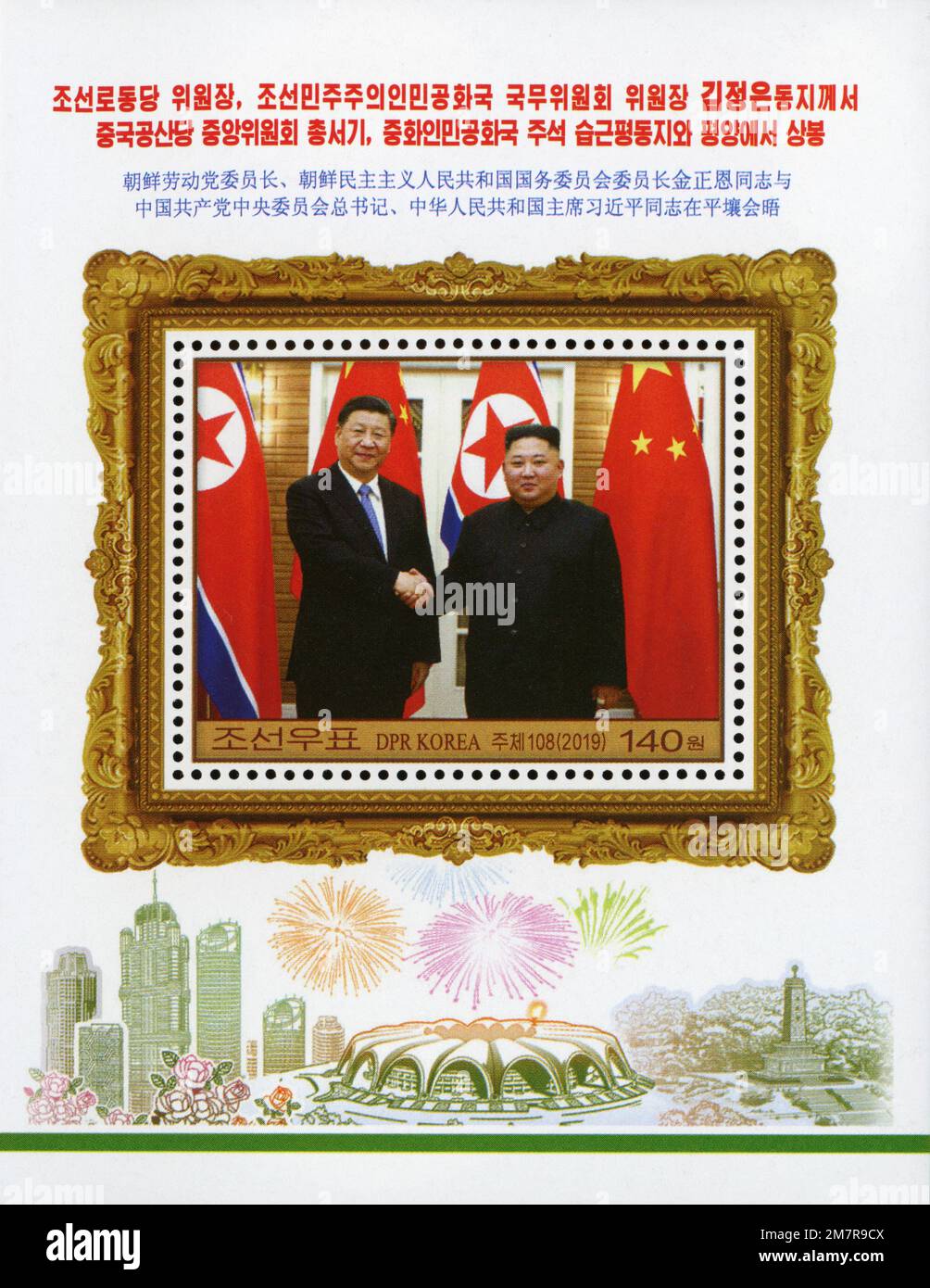
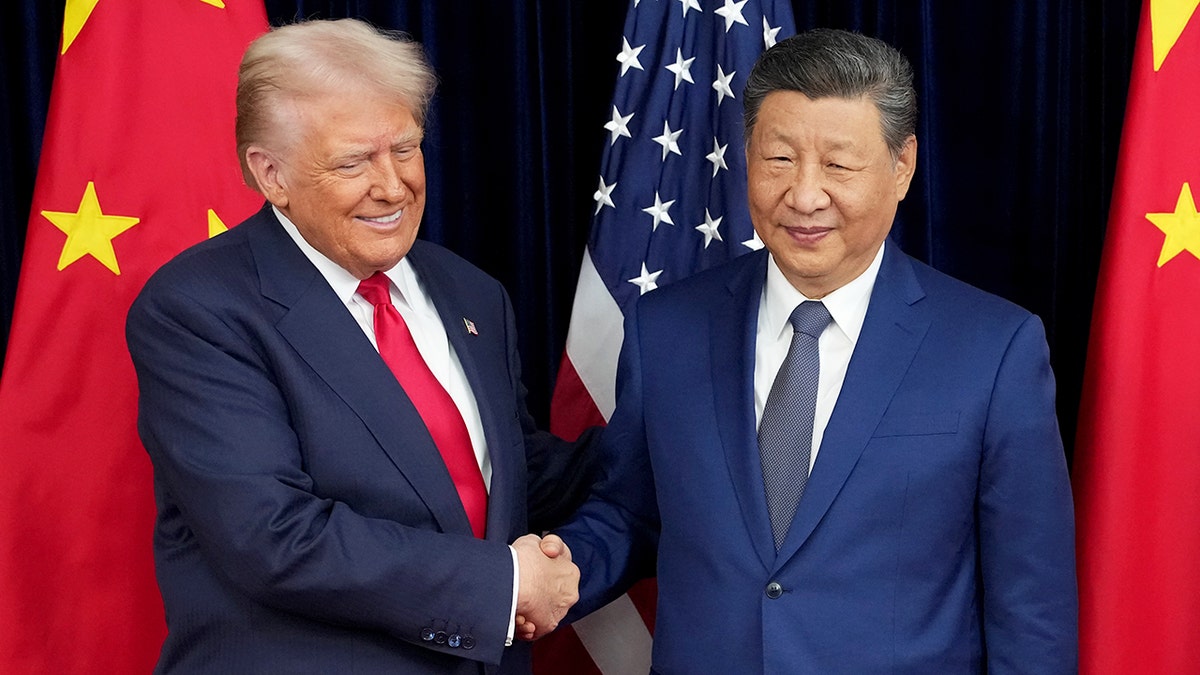
China’s President Xi Jinping and North Korean leader Kim Jong Un pledged to deepen strategic cooperation during a rare summit in Pyongyang on June 9, 2026. The meeting, marking the 65th anniversary of their friendship treaty, focuses on expanding trade, security coordination, and re-establishing diplomatic ties after years of pandemic-era isolation.
The Diplomatic Theater: Xi’s First Foreign Trip of 2026
The optics in Pyongyang were designed for maximum impact. Kim Jong Un welcomed Xi Jinping with a red carpet, a guard of honor, and a 21-gun salute, signaling a high-voltage return to normalcy. According to the official KCNA news agency, the two leaders agreed to strive for closer strategic communication, with Kim describing the friendship between the two nations as “the most important top-priority strategic work.”
Xi’s presence in North Korea is a calculated gesture. This visit marks his first foreign travel of the year and his first trip to the country in seven years.
The summit wasn’t just about friendship; it was about alignment. Kim reiterated his support for Beijing’s “one China principle,” acknowledging the position that Taiwan is part of China. In return, Xi declared that the relationship between the two neighbors has reached “a new historical starting point.”
Economic Lifelines: Tourism and Trade Rebounds
Pyongyang is aggressively reopening its doors after sealing its borders in 2020. Before the pandemic, China provided a critical revenue stream for the North Korean regime. According to NK News, Chinese tourists constituted the majority of foreign travellers to North Korea, with 350,000 visitors in 2019.
To facilitate this economic restart, Beijing has already resumed passenger train services to Pyongyang and reinstated direct flights via China’s flag carrier.
China’s state broadcaster CCTV reported that Xi expressed a willingness to expand cooperation across several key sectors:
Trade and agriculture
Construction
Technology
Energy and food assistance
This surge in cooperation is not merely charitable. It is a strategic effort to stabilize a partner that remains a critical buffer for Chinese security.
The Russia Pivot: Kim’s New Negotiating Leverage
China’s Xi Jinping lands in North Korea to meet Kim Jong Un in rare visit | BBC News
While the rhetoric in Pyongyang is warm, the underlying power dynamic has shifted since 2019. Kim Jong Un enters this summit with more options than he ever had during his previous meetings with Xi.
“Pyongyang now has an alternative source of diplomatic and economic support, reducing its dependence on Beijing,”
Eun-ju Choi, expert on North Korean economic systems at the Sejong Institute
This leverage comes directly from Pyongyang’s burgeoning relationship with Moscow. North Korea has increasingly traded soldiers and weapons to support Russia’s war in Ukraine in exchange for oil and aid. This alignment has created a competitive environment where Beijing must now compete with Moscow for influence over Kim.
However, this Russian pivot is likely a temporary hedge. Jack Barton, reporting from Seoul for Al Jazeera, notes that Kim is likely aware that Russian leverage will evaporate once the Ukraine war ends. When Russia no longer requires North Korean munitions or manpower, the strategic utility of Moscow will plummet.
The Strategic Tug-of-War: China vs. Russia
Photo: Al Jazeera
China is now moving to reassert its dominance over a partner that has drifted toward the Kremlin. There is a stark divide in how these two superpowers interact with Pyongyang. While the North Korean military-industrial complex is currently more intertwined with Russia, the overall survival of the North Korean state remains tethered to China.
“Survival for North Korea depends on China.”
Jack Barton, Al Jazeera
The relationship has not been without friction. Mistrust has plagued the two nations in recent years, specifically after China backed international sanctions against North Korea’s nuclear program. This friction created the vacuum that Russia was happy to fill.
By pledging closer ties and expanding economic aid now, Xi is attempting to pull Pyongyang back into China’s orbit. He is using China’s status as North Korea’s dominant trading partner to ensure that Kim does not lean too heavily on a volatile Russian partnership.
As the summit enters its second day, the focus shifts to symbolic sites, with South Korean media suggesting Xi will visit the Sino-Korean Friendship Tower. This tower commemorates Chinese soldiers who died in the Korean War, reminding both leaders of a relationship they frequently describe as being “forged in blood.”
The outcome of this meeting will determine whether North Korea continues to play Moscow and Beijing against each other or if China successfully restores its role as the primary architect of Pyongyang’s survival.