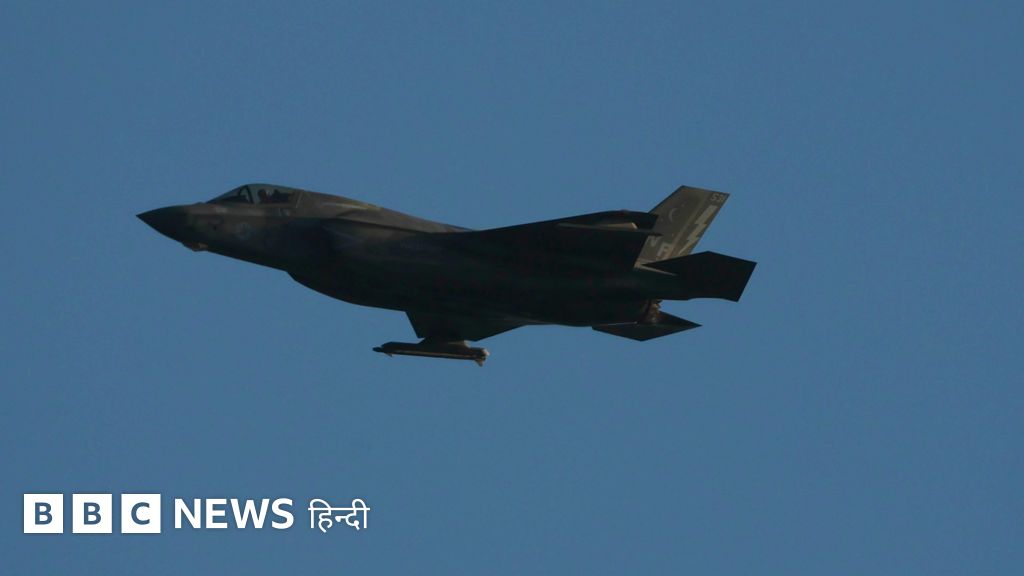
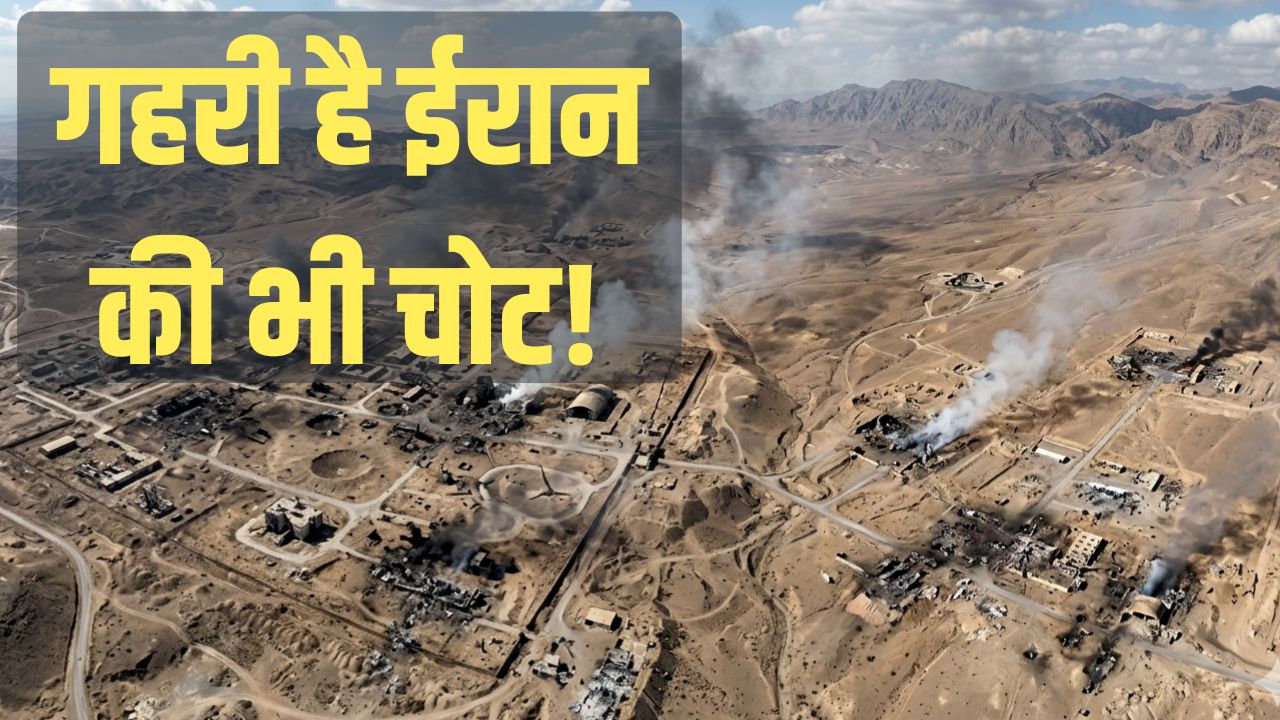
U.S. Central Command completed self-defense strikes against Iranian military surveillance and air defense sites on June 10, according to official reports. The operation follows increased regional aggression, prompting the U.S. President to threaten a major strike on Iranian oil infrastructure and the seizure of Kharg Island.
CENTCOM Targets Air Defense and Communications
The Strategic Stakes of Kharg Island

Satellite Images of Damaged Military Sites
Iran’s Threat to Regional Energy Exports
Tehran has signaled that it will not retreat despite the mounting military pressure. The Khatam al-Anbiya Central Headquarters issued a statement through state media, warning that any further American strikes would be met with a response that is “far more severe and widespread” than previous engagements. The Iranian leadership has also raised the stakes regarding global energy security. As Hindustan Hindi News reported, Iranian officials warned that if the U.S. targets their energy export infrastructure, the resulting disruption would affect the entire region. The command’s stance is stark: energy exports will either continue for everyone, or cease for everyone. Mohammad Bagher Ghalibaf, Iran’s Parliament Speaker and chief negotiator, cautioned Washington against impulsive decision-making. “America will find itself stuck in an endless quagmire. Any wrong strategy or decision taken in haste could destabilize the region and push America into a conflict that could last for years.” Mohammad Bagher Ghalibaf, via social media The current trajectory suggests a widening gap between military action and diplomatic efforts. While some reports indicate that negotiations are still technically ongoing, the simultaneous strikes on air defenses and threats to oil reserves indicate a move toward a much larger regional confrontation.Find more reporting in our World section.