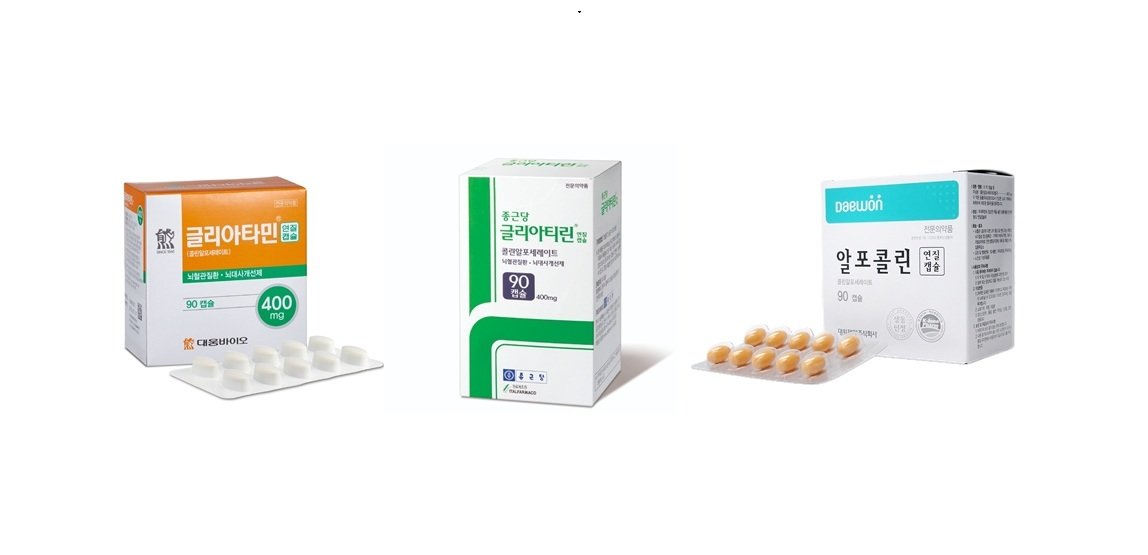
Home HealthCholine Alfoscerate PPS Shows Statistically Significant MCI Improvement

Choline Alfoscerate PPS Shows Statistically Significant MCI Improvement

by archytele
Choline Alfoscerate's Statistical Dilemma and the PPS Results

Recent clinical re-evaluations of Choline Alfoscerate and new research into Ginkgo Biloba extract have refocused the debate on managing Mild Cognitive Impairment (MCI). While Choline Alfoscerate faces scrutiny over failed primary endpoints, Ginkgo Biloba shows promise in inhibiting beta-amyloid aggregation, potentially shifting treatment from symptom management to disease modification.

Choline Alfoscerate’s Statistical Dilemma and the PPS Results

Choline Alfoscerate's Statistical Dilemma and the PPS Results
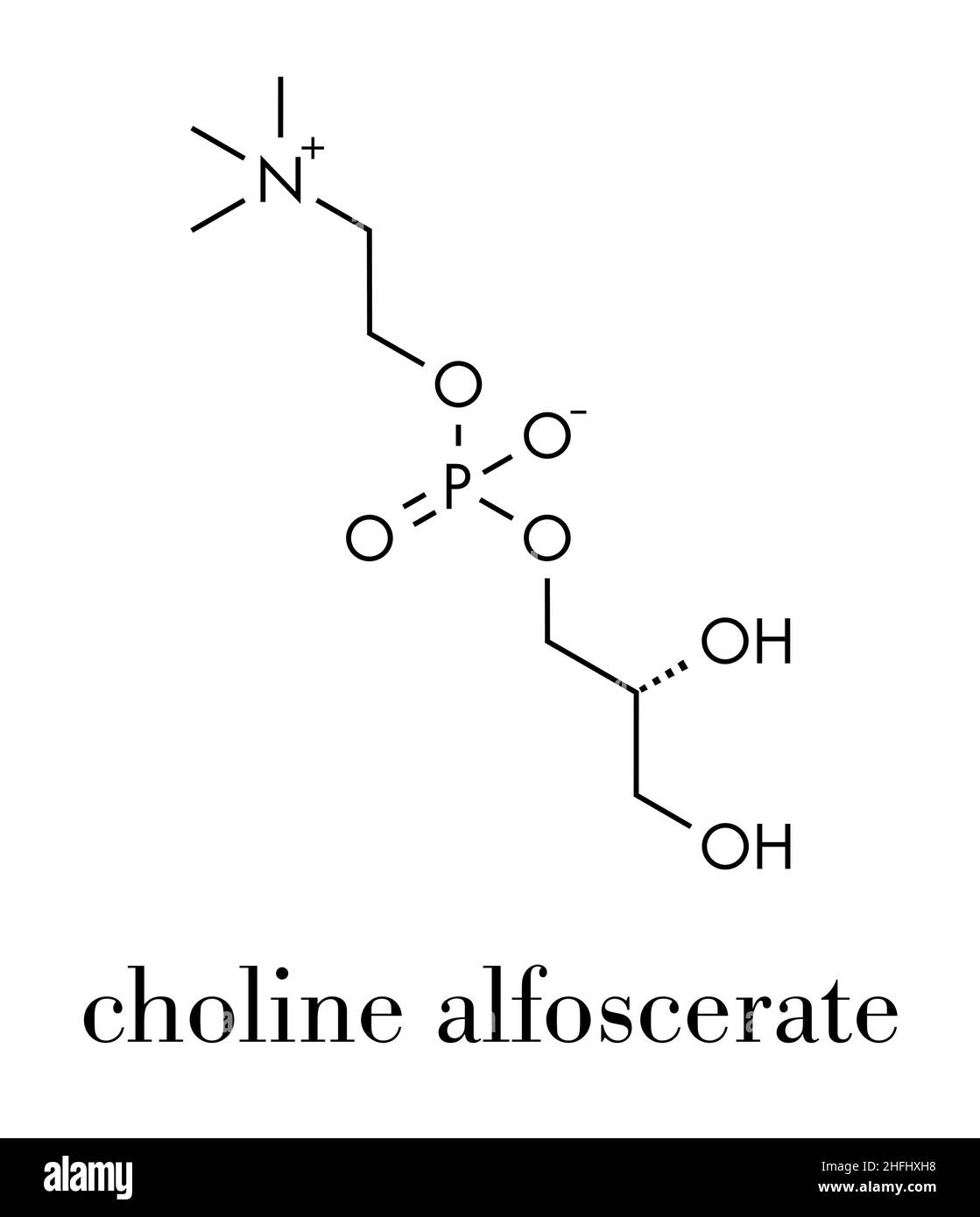
The Ministry of Food and Drug Safety has been leading a large-scale clinical re-evaluation of Choline Alfoscerate since 2020 to verify its efficacy for treating cognitive decline. According to DBR, the results submitted recently failed to prove statistical significance for the primary endpoint, which measures the specific rates of cognitive function maintenance and improvement. The study involved 852 patients, split between 426 with degenerative MCI and 426 with vascular MCI. While the broad analysis failed to meet the necessary thresholds, a Per Protocol Set (PPS) analysis—which focuses on patients who strictly adhered to the prescribed regimen—revealed a notable difference.
Group (PPS Analysis) Cognitive Maintenance/Improvement Rate
Choline Alfoscerate 67.83%
Placebo 60.07%
In this subset, the Choline Alfoscerate group showed a 7.76% higher rate of cognitive stability than the placebo group, with a p-value of 0.0482, which falls below the 0.05 threshold for statistical significance. However, because PPS analysis excludes patients who dropped out or missed doses, the results can appear more favorable than an analysis of the entire patient population. This controversy has direct financial implications. Because of the ongoing debate regarding the drug’s actual effectiveness, the government has increased the patient co-payment to 80% for prescriptions intended to treat MCI, maintaining standard health insurance benefits only for those with confirmed dementia.
Read More:  Over $20,000 raised for Kidney Foundation during Kelowna walk

The Argument for Longer Clinical Observation

The failure to meet primary endpoints has led medical experts to question whether the trial’s duration was simply too short to capture the slow-moving nature of cognitive decline.

“It is not easy to evaluate whether cognitive function is maintained or improved over 48 weeks in Mild Cognitive Impairment patients with relatively good cognitive function.”

The Argument for Longer Clinical Observation
Lee Jae-hong, Seoul Asan Medical Center, via DBR MCI is characterized by gradual changes that are difficult to measure in a one-year window. Experts note that even in the early stages of Alzheimer’s dementia, a follow-up of at least 18 months—or 78 weeks—is the standard requirement for primary efficacy evaluation.

Ginkgo Biloba’s Impact on Beta-Amyloid Aggregation
Ginkgo Biloba’s Impact on Beta-Amyloid Aggregation
While the debate over Choline Alfoscerate continues, a separate study is providing new evidence regarding the biological drivers of dementia. Research led by Professor Yang Young-soon at Soonchunhyang University Hospital suggests that Ginkgo Biloba extract may directly interfere with the accumulation of beta-amyloid, the protein responsible for the brain plaques identified during the 1906 autopsy of a patient by Dr. Alois Alzheimer. Using amyloid PET imaging, the research team tracked MCI patients over 18 months. The study compared a group receiving a daily 240mg dose of Ginkgo Biloba extract against a control group receiving common cognitive aids, such as omega-3 and choline precursors. As reported by v.daum.net, the differences in disease progression were significant.
Metric (18-Month Study) Ginkgo Biloba Group Control Group
Alzheimer’s Conversion Rate 0% 28.6%
Beta-Amyloid (SUVR) Change No significant change Significant increase
In the control group, the Standardized Uptake Value Ratio (SUVR)—a measure of amyloid density—increased significantly across the frontal, parietal, temporal, and occipital lobes. In contrast, the Ginkgo Biloba group showed no significant difference between their initial measurements and their status at the end of the study.
Read More:  70-Year-Old Woman's 'White Lung' Caused by Dirty AC

Shifting the Treatment Paradigm from Symptoms to Causes

The ability of Ginkgo Biloba to prevent the conversion from MCI to Alzheimer’s may be linked to its effect on brain blood flow. By improving microcirculation, providing antioxidant effects, and protecting neurons, the extract may help prevent the aggregation of toxic amyloid proteins.

“Considering that the annual dementia conversion rate for MCI patients is 10-15%, the fact that no patients progressed to Alzheimer’s after 18 months is evidence that beta-amyloid aggregation inhibition is closely linked to the actual progression of the disease.”

Shifting the Treatment Paradigm from Symptoms to Causes
Photo: v.daum.net
Yang Young-soon, Soonchunhyang University Hospital, via v.daum.net This research represents a potential shift in how the medical community approaches cognitive decline. Rather than merely managing the symptoms of memory loss, new evidence suggests that targeting the underlying protein aggregation could change the trajectory of the disease itself.

“Drugs that act directly on the cause of the disease, such as beta-amyloid aggregation, will serve as a turning point to change the paradigm of dementia treatment from symptom suppression to cause removal.”

Yang Young-soon, Soonchunhyang University Hospital, via v.daum.net Please consult your healthcare provider regarding any changes to medication or treatment for cognitive health.

You may also like

Leave a Comment