
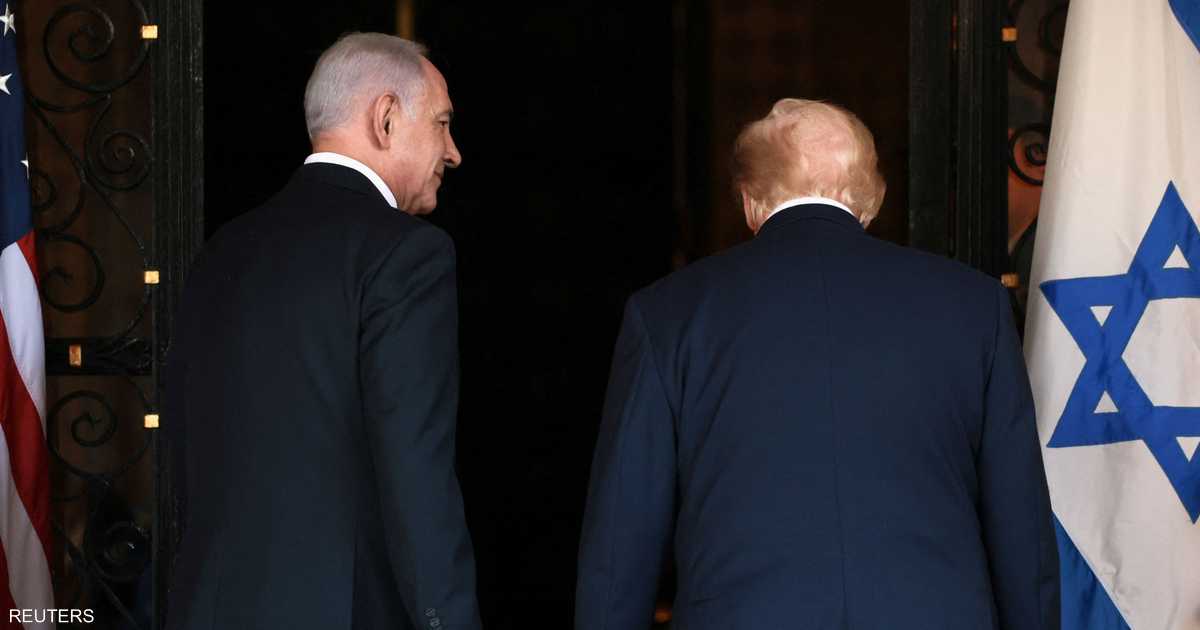
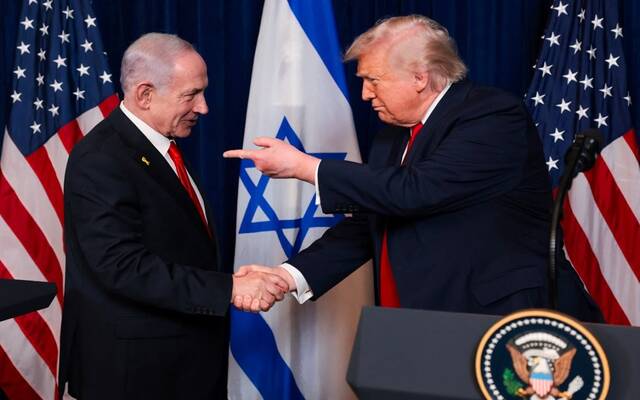
A tense phone call between U.S. President Donald Trump and Israeli Prime Minister Benjamin Netanyahu on June 2, 2026, exposed deep divisions over Israel’s military escalation in Lebanon, with Trump warning that expanded strikes on Beirut risked isolating Israel and derailing diplomatic efforts with Iran.
Trump’s Warning: How a Single Call Threatened to Unravel Regional Diplomacy
The timing of the call was critical. Just hours before, Israel had announced plans to target Hezbollah positions in Beirut’s southern suburbs, a move that would have marked one of the deepest incursions into Lebanese territory since the 2006 war. The threat of a wider confrontation loomed as Hezbollah, backed by Iran, had been firing rockets into northern Israel for weeks, prompting Israeli airstrikes and ground operations in southern Lebanon. The risk of a full-scale war, with potential spillover into regional oil routes, had already prompted international concern, and Trump’s intervention was an attempt to prevent further escalation.
Netanyahu’s Dilemma: Military Pressure vs. Political Fallout
Netanyahu’s response to Trump’s warnings was a mix of defiance and pragmatism. In a statement released after the call, he acknowledged Israel’s right to defend itself but insisted that any attack on Beirut would be a last resort, triggered only if Hezbollah continued to target Israeli civilians. “Israel will continue operations in southern Lebanon as planned,” Netanyahu said, adding that “if Hezbollah persists in attacking our cities and civilians, Israel will strike Beirut.” This stance reflected a broader Israeli strategy: to maintain military pressure while avoiding steps that could provoke a broader regional conflict or alienate key allies like the U.S. Yet the call’s aftermath revealed cracks in Israel’s position. Defense Minister Yoav Gallant, who had earlier authorized the Beirut strikes, later clarified that no forces were moving toward the capital, and that any advance had been halted. This reversal, while not a full retreat, suggested that even within Israel’s government, there was recognition of the risks Trump had outlined. The message from Washington was clear: further escalation would not only strain U.S.-Israel relations but also undermine Trump’s diplomatic efforts to stabilize the region.For Trump, the stakes were personal and political. His administration has been pushing for a ceasefire deal that would include Iran, a move aimed at reducing tensions in the Gulf and preventing further disruptions to global oil markets. The prospect of Israel striking Beirut—home to Hezbollah’s political stronghold and a symbol of Lebanese sovereignty—would have complicated these efforts, potentially drawing Iran more directly into the conflict. Trump’s insistence on de-escalation was not just about avoiding war; it was about preserving his diplomatic legacy and preventing a scenario where Israel’s actions could backfire on his broader regional strategy.
Hezbollah’s Gambit: When Does De-escalation Become a Trap?
Hezbollah’s response to the crisis has been equally calculated. While the group has fired rockets into Israel and suffered heavy losses in Israeli airstrikes, it has also signaled flexibility in negotiations. According to Lebanese officials, Hezbollah agreed to a temporary halt in hostilities if Israel reciprocated, a move that suggests the group is aware of the risks of a prolonged conflict. However, the group’s willingness to negotiate does not mean it is backing down. Hezbollah’s leadership, backed by Iran, has repeatedly stated that it will not stop its resistance until Israel withdraws from Lebanese soil—a demand that remains a sticking point in any ceasefire talks. The situation on the ground remains volatile. Even as Trump and Netanyahu exchanged warnings, Israeli forces were still conducting operations in southern Lebanon, and Hezbollah continued to fire rockets into northern Israel. The temporary halt in hostilities, if it holds, would be a rare moment of calm in a conflict that has already displaced tens of thousands and left hundreds dead. But the underlying tensions remain: Israel’s demand for Hezbollah’s disarmament clashes with Lebanon’s refusal to surrender its sovereignty, and Iran’s backing of Hezbollah ensures that any ceasefire will be fragile at best.What comes next will depend on whether the de-escalation holds—or whether one side decides to push further. Trump’s intervention has bought time, but the deeper question is whether Israel, Hezbollah, or Iran will see advantage in resuming hostilities. For now, the focus is on preventing a wider war, but the risk of miscalculation remains high.
The Bigger Picture: Why This Moment Matters for the Middle East
This crisis is not just about Lebanon or Israel. It is about the broader struggle for influence in the Middle East, with Iran and its proxies on one side and Israel and its allies on the other. The U.S. has been trying to mediate, but the underlying tensions—rooted in decades of conflict—have not disappeared. Trump’s call with Netanyahu was a reminder that even the most powerful leaders can only do so much to control events on the ground. For Israel, the challenge is balancing military necessity with political reality. For Hezbollah, the question is whether to push for a decisive victory or settle for a temporary halt. And for the U.S., the risk is that a misstep could unravel the fragile diplomatic efforts that have kept the region from exploding into full-scale war. The next 72 hours will be critical. If the ceasefire holds, it could buy time for negotiations. If it fails, the region could be pulled into a deeper conflict—one that no one wants, but that no one may be able to stop.One thing is clear: the world is watching. And the choices made in the coming days will shape the Middle East for years to come.

