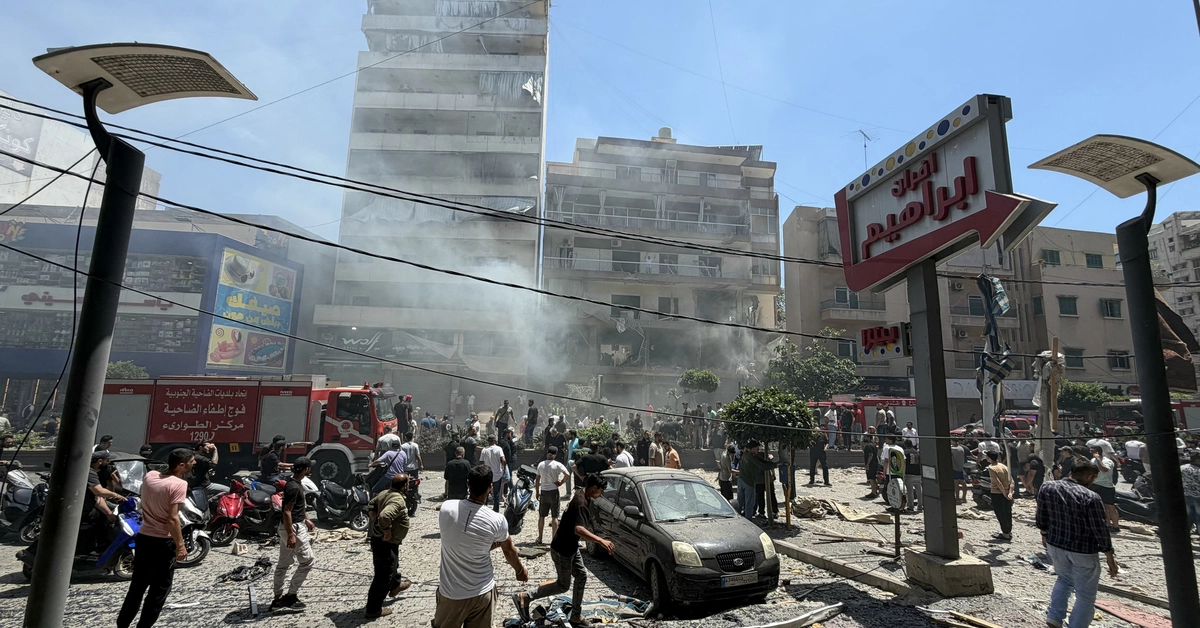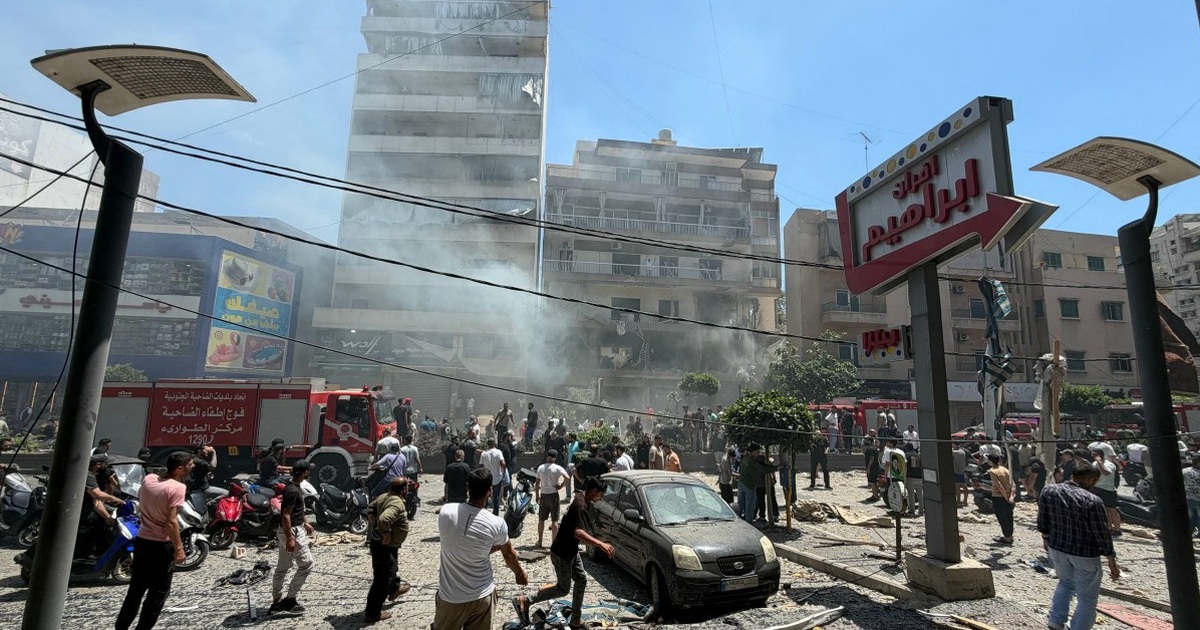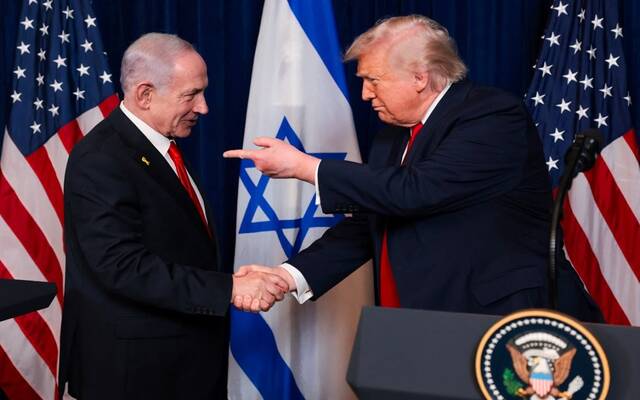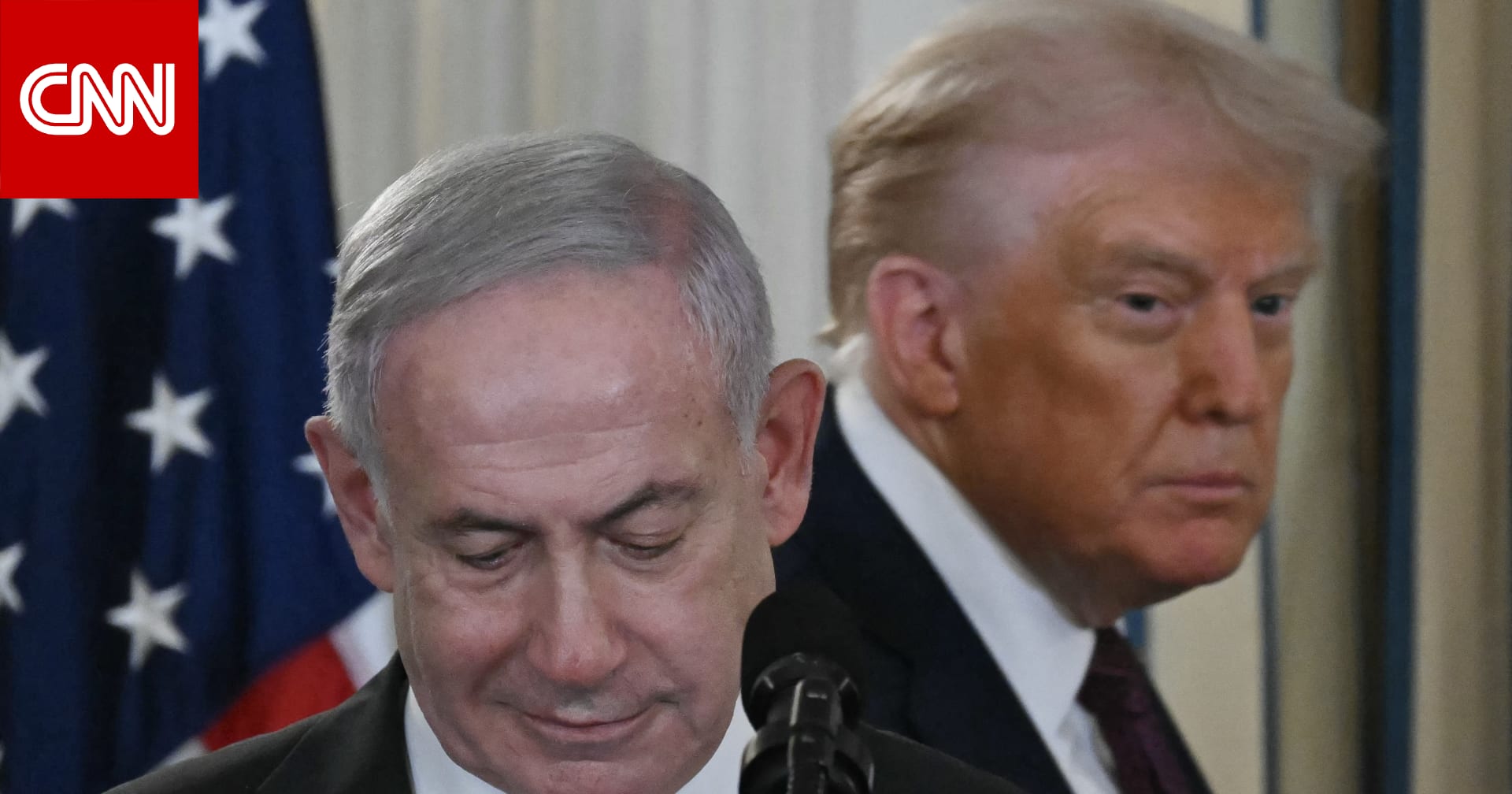
Israeli forces launched airstrikes across Lebanon on Saturday, June 20, 2026, killing at least 47 civilians and violating a recently brokered ceasefire with Hezbollah. The escalation follows failed diplomatic efforts in Geneva and has triggered sharp public criticism from U.S. President Donald Trump toward Israeli Prime Minister Benjamin Netanyahu.
Discrepancies in Casualty Reports and Target Scope
The scale of the Saturday attacks varies significantly across reports, reflecting the chaotic nature of the immediate aftermath in South Lebanon. Eenadu reported that international media initially cited five deaths following air and drone strikes in the Nabatieh region. This figure was echoed by Andhrajyothy, which noted the strikes occurred only hours after a ceasefire deal was reached.
However, Prajasakti detailed a much higher toll, reporting at least 47 civilian deaths and 97 injuries. According to this report, the dead include seven women and two children. The Israeli military targeted more than 80 Hezbollah sites and civilian residences, indicating a wide-scale operation rather than isolated tactical strikes.
Israel also suffered losses during the fighting in South Lebanon. Four Israeli soldiers, including a lieutenant colonel, were killed during the engagement.
| Metric | Initial Reports (Eenadu/Andhrajyothy) | Detailed Reports (Prajasakti) |
|---|---|---|
| Civilian Deaths | 5 | 47 (incl. 7 women, 2 children) |
| Injuries | Not specified | 97 |
| Israeli Losses | Not specified | 4 soldiers (incl. 1 Lt. Col) |
| Target Count | Not specified | 80+ Hezbollah/civilian targets |
Trump’s Friction with Netanyahu over Iran MOU
The timing of the strikes has jeopardized a broader diplomatic effort between Washington and Tehran. A memorandum of understanding (MOU) intended to end conflicts in West Asia was the catalyst for consultations scheduled to begin Friday in Geneva, Switzerland. In diplomatic practice, such MOUs typically serve as frameworks to establish “deconfliction” protocols or mutual non-aggression agreements to prevent accidental escalation between nuclear-capable or heavily armed regional powers.
For more on this story, see Israel’s Attacks in Gaza, Lebanon Kill Multiple as Ceasefire Struggles.

Those talks were postponed after Israel and Hezbollah engaged in fierce mutual attacks, ignoring the framework established by the U.S. and Iran. This collapse of diplomacy is particularly significant given the role of Qatar, which acted alongside the U.S. as a mediator in the ceasefire agreement. Qatar frequently serves as a primary intermediary between the U.S. and Iranian-backed entities due to its diplomatic ties with both sides.
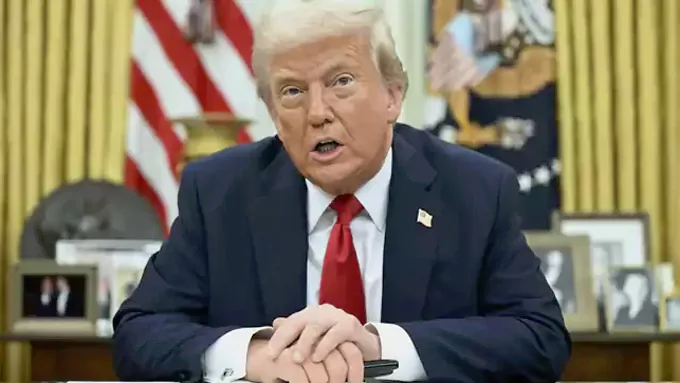
U.S. President Donald Trump has expressed intense dissatisfaction with Prime Minister Benjamin Netanyahu’s conduct. In an interview with an international media outlet, Eenadu’s coverage of Trump’s remarks indicates the president personally urged Israel to accept the ceasefire to avoid damaging the peace agreement with Iran.
Trump suggested that Israeli leadership needs to exercise more restraint and logic in their decision-making process.
“Use your brain” and make decisions while remaining silent at times.
Donald Trump, U.S. President
Internal Israeli Rhetoric and Military Resolve
The escalation appears supported by hardline elements within the Israeli government. The Israeli political landscape is currently shaped by a coalition that includes far-right factions, which often push for maximum military pressure over diplomatic concessions. Israel’s National Security Minister, Itamar Ben-Gvir, a prominent figure in this hardline wing, made a public declaration on Friday regarding the intensity of the campaign.
“Burn down all of Lebanon.”
Itamar Ben-Gvir, National Security Minister
Prime Minister Netanyahu has maintained a firm stance despite U.S. pressure, balancing the demands of his coalition partners with the requirements of his primary international ally. He stated that Israel will not tolerate attacks on its soldiers and asserted that the Israeli military will remain in Lebanon for as long as necessary. Netanyahu specifically noted that Israel does not have the capacity or intention to abandon its positions in South Lebanon, a region where Hezbollah maintains significant infrastructure and rocket capabilities.
This follows our earlier report, Trump Warns Netanyahu: Lebanon Strikes Risk Isolating Israel Amid Iran Talks.
Iran’s Reaction and the Risk of Permanent War
The rhetoric from the Israeli National Security Ministry drew a sharp response from Tehran. Iran’s Foreign Minister, Abbas Araghchi, expressed anger over Ben-Gvir’s comments via a social media post, viewing the statements as evidence of Israel’s intent to destabilize the region permanently.
Israel has no interest in anything other than “permanent war.”
Abbas Araghchi, Iranian Foreign Minister
The collapse of the ceasefire and the postponement of the Geneva talks suggest a breakdown in the current diplomatic channel. With Israel refusing to withdraw from South Lebanon and the U.S. president publicly questioning the judgment of the Israeli government, the MOU between Washington and Tehran remains in limbo. This creates a volatile security environment where any further miscalculation could lead to a direct confrontation between state actors.
The immediate future depends on whether the U.S. can successfully pressure Netanyahu to return to the ceasefire terms or if the internal pressure from ministers like Ben-Gvir will drive a deeper military penetration into Lebanese territory.
Find more reporting in our World section.