

Israeli Prime Minister Benjamin Netanyahu confirmed on Friday that he received radiation therapy for early-stage prostate cancer but withheld the diagnosis for two months during the war with Iran.
The disclosure came with the release of his annual medical report, which stated the tumor was found during a routine checkup and successfully treated. Netanyahu, 76, said he asked to delay the announcement to prevent it from being exploited by adversaries amid heightened hostilities.
According to the report, which otherwise described his health as good, the cancer was detected at an early stage and treated with radiation therapy. Neither the report nor Netanyahu specified the exact timing of the treatment.
Aharon Popovtser, director of the oncology unit at Hadassah Hospital, confirmed the diagnosis was early-stage and said follow-up imaging and blood operate indicate the disease has disappeared. He noted that prostate cancer is common among men of Netanyahu’s age.
The prime minister had previously undergone surgery in 2024 for an enlarged benign prostate and has since been under regular medical surveillance. It was during one of these routine visits that the malignant tumor was identified.
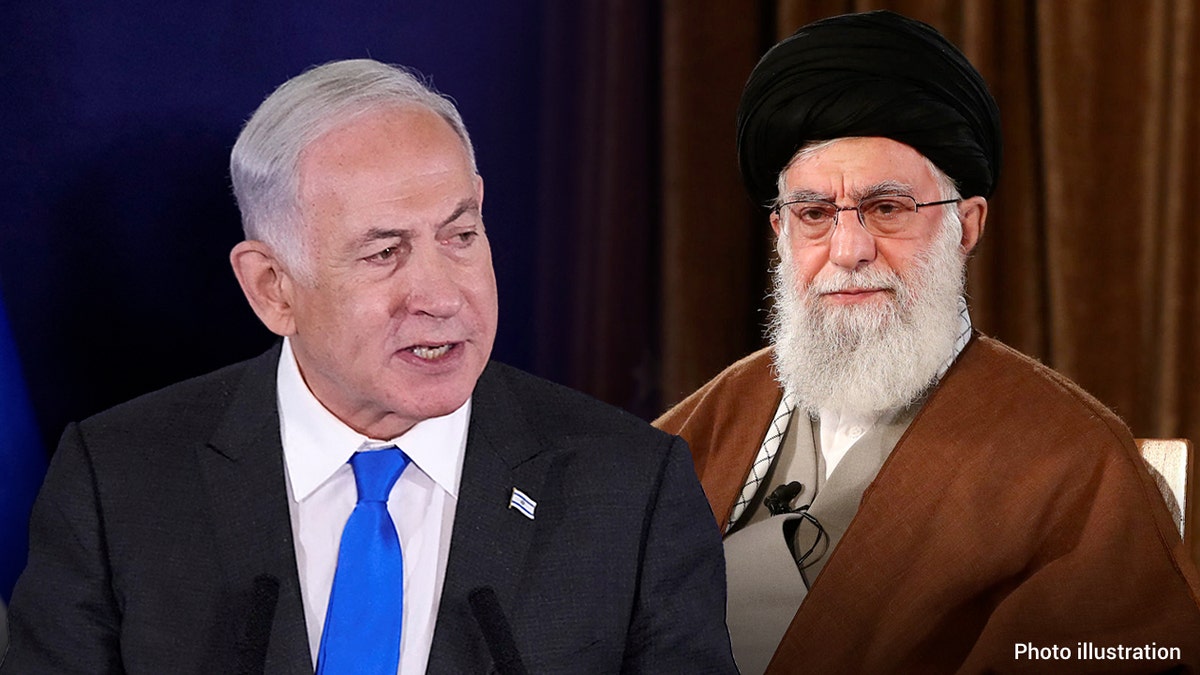
Netanyahu said he chose to withhold the information to avoid giving Iran and its allies propaganda material, especially as false narratives about his health had already circulated earlier in the year. In March, he visited a Jerusalem café and recorded a video to counter AI-generated fake images suggesting he had died, which had been shared by Iranian state media.
The decision to delay disclosure reflects a broader pattern of secrecy around leaders’ health during wartime, where medical information can be weaponized to undermine morale or signal weakness. In this case, the timing of the revelation — after two months of silence — raises questions about the balance between transparency and national security.
While the medical outlook appears favorable, the episode underscores how personal health can become entangled with geopolitical strategy, particularly when leaders face sustained disinformation campaigns. For Netanyahu, now Israel’s longest-serving prime minister, the episode adds another layer to a tenure marked by both political resilience and persistent scrutiny over his fitness to govern.
Why did Netanyahu delay announcing his prostate cancer diagnosis?
He said he requested a two-month delay in publishing the medical report to prevent the information from being used as propaganda by Israel’s adversaries during the war with Iran.
What treatment did Netanyahu receive for prostate cancer?
According to his medical report and confirmed by his doctors, Netanyahu underwent radiation therapy for early-stage prostate cancer, which has since been declared successful based on follow-up tests.
