

Putin’s Handshake, Tehran’s Message
The photograph from St. Petersburg captures a deliberate moment: Putin and Araghchi shaking hands beneath the flags of Russia and Iran. Reporting from NPR, citing Russia’s state news agency Tass, noted that Putin conveyed gratitude and well-wishes for the health of Iran’s leadership during the meeting. The specifics of the message from Iran’s supreme leader were not disclosed, but the timing of the visit is notable. It follows a weekend of Iranian diplomatic activity that excluded direct engagement with Washington, despite earlier indications from the U.S. administration that a delegation might travel to Pakistan for talks.
The sequence of Araghchi’s travels—from Islamabad to Muscat and then to Moscow—reflects Iran’s efforts to explore multiple diplomatic channels. In Oman, he met with Sultan Haitham bin Tariq Al Said and Foreign Minister Badr Albusaidi, where discussions reportedly focused on regional stability and the safe transit of energy resources. Putin’s remarks during the meeting described Iran’s actions in terms of sovereignty and resistance, language that aligns with Tehran’s longstanding narrative about its role in the region, including its stance on the Strait of Hormuz.
The Strait as Shared Concern, Not Just Iranian Threat
The Strait of Hormuz remains a critical intersection of geopolitics and energy security. Before the current tensions, approximately one-fifth of the world’s oil and natural gas passed through its waters daily. Recent reporting from BBC indicates that traffic has been significantly disrupted, as Iran asserts control over the waterway while the U.S. enforces a naval blockade on Iranian ports. The implications for global energy markets are substantial, though specific details about recent price movements have not been widely reported.
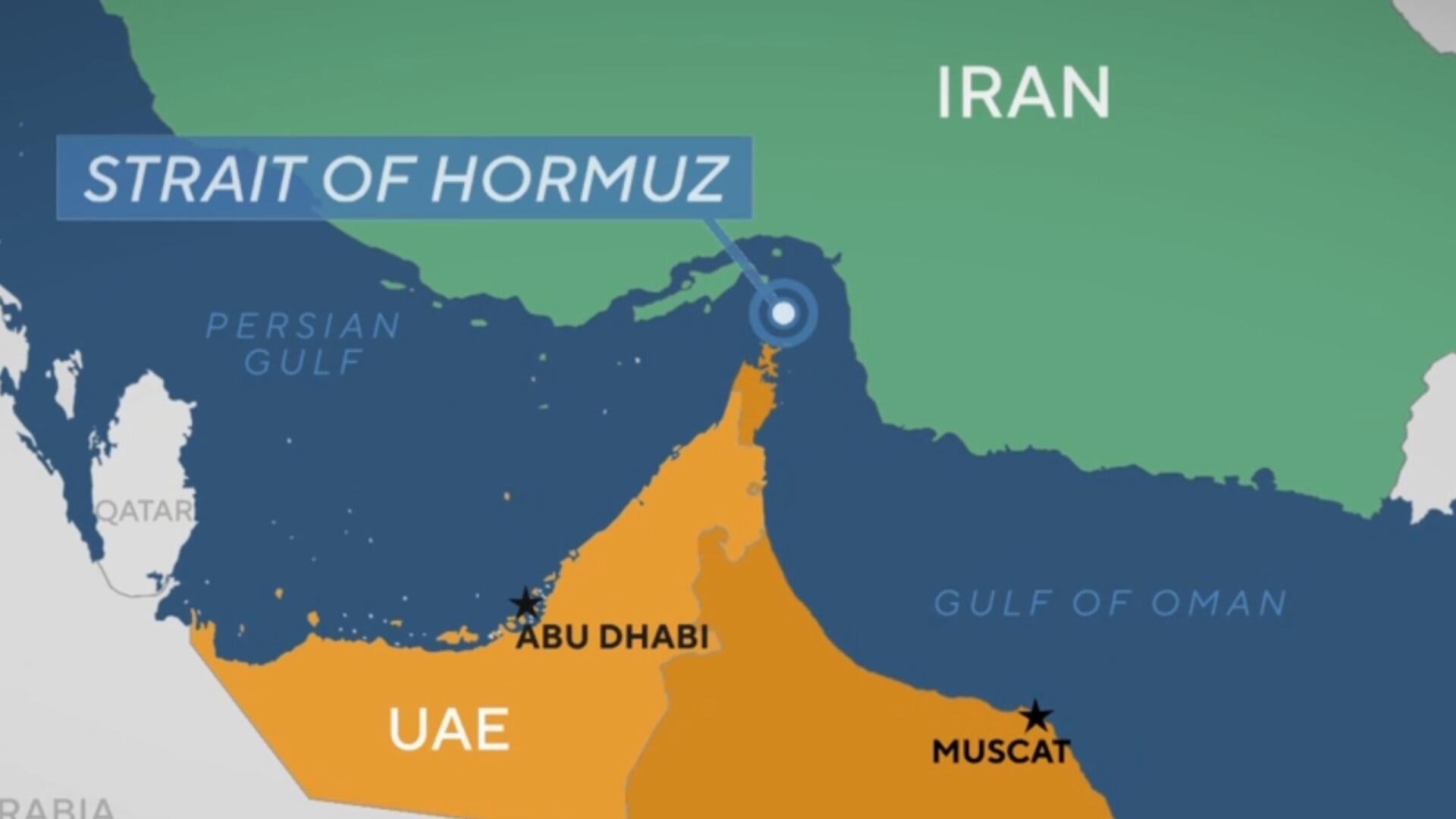
Following his meetings in Oman, Araghchi framed the strait as a regional responsibility rather than an Iranian point of contention. In a social media statement, he emphasized the importance of safe transit for the benefit of neighboring countries and the broader international community. Oman’s Foreign Minister Albusaidi echoed these sentiments, acknowledging a shared responsibility to address the humanitarian concerns of detained seafarers and the need for stable energy transit. While the language used was conciliatory, the underlying strategy appears to position Iran as a necessary partner in maintaining regional stability rather than an instigator of conflict.
The U.S. has not publicly responded to Araghchi’s remarks, leaving the administration’s stance open to interpretation. The Strait’s future will depend on whether Iran’s outreach to Russia and Oman signals a willingness to negotiate or a consolidation of its current position.
Russia’s Role: Patron, Spoiler, or Both?
Russia’s support for Iran has been a consistent feature of their bilateral relationship, particularly in the context of Syria, where both nations have coordinated military and diplomatic efforts. The recent meeting in St. Petersburg, however, comes at a time when Russia itself faces significant international sanctions, making its alignment with Iran a strategic move. By publicly reinforcing its backing for Tehran, Moscow not only bolsters Iran’s resistance narrative but also signals to the U.S. that it retains influence in the Middle East.
The extent of Russia’s involvement beyond diplomatic support remains unclear. Available reporting does not indicate any new military or economic assistance beyond existing agreements. However, Putin’s characterization of Iran’s struggle as heroic suggests a willingness to frame the conflict in ideological terms, which could complicate future U.S. efforts to engage with Tehran. For now, Russia’s role appears to be providing diplomatic cover, though the long-term nature of this alliance will depend on whether it evolves into a deeper partnership or remains transactional.
What to Watch: Escalation, Stalemate, or a Backchannel?
The immediate risks in the region are twofold. First, the Strait of Hormuz remains a potential flashpoint. While Araghchi and Albusaidi have framed it as a shared regional concern, Iran’s control over the waterway gives it significant leverage. Any misstep—whether a naval incident or a prolonged disruption—could have far-reaching consequences for global energy markets, affecting inflation and supply chains worldwide.

Second, the absence of direct U.S.-Iran negotiations heightens the importance of Iran’s outreach to Russia and Oman. If Washington interprets Tehran’s diplomatic moves as a rejection of dialogue, it may adopt a more rigid stance, leading to a prolonged stalemate. Alternatively, if Oman’s mediation efforts gain traction, they could pave the way for indirect negotiations. The U.S. administration’s decision to cancel the planned trip to Pakistan suggests a cautious approach, though the effectiveness of this strategy remains uncertain.
Iran’s recent diplomatic engagements are clearly strategic. The sequence of visits—Islamabad, Muscat, and Moscow—demonstrates an effort to diversify alliances while keeping the U.S. uncertain about Tehran’s next steps. The next move lies with Washington. If it chooses to engage, it will need to navigate a landscape where Iran is no longer isolated but increasingly integrated into a network of regional and global partnerships. If it does not, the risk of escalation will only increase.
For now, the image from St. Petersburg endures: two leaders, two flags, and a reminder that diplomacy, like energy markets, is shaped by leverage and strategy.
