
Forty years after the Chernobyl nuclear disaster, the exclusion zone presents a paradox: wildlife is adapting in unexpected ways even as human efforts to manage the lingering radiation continue decades into the future.
In 2016, evolutionary biologist Pablo Burraco observed a subtle but significant change in tree frogs near the reactor site — their skin was darker than counterparts living farther away, suggesting a possible biological response to lingering radiation. This observation, made during midnight fieldwork in the abandoned landscape, reignited scientific questions about whether chronic low-dose exposure is driving evolutionary changes in local species.
Meanwhile, the human presence in the zone remains substantial despite the evacuation. Italian photographer Pierpaolo Mittica, who has documented the area for nearly 25 years, notes that at least 600 people arrive daily at the Chernobyl nuclear power plant to maintain an ongoing cleanup effort projected to last until the 2060s. This workforce does not include the soldiers, firefighters, forest rangers, or elderly returnees who live and operate throughout the 30-kilometer exclusion zone.
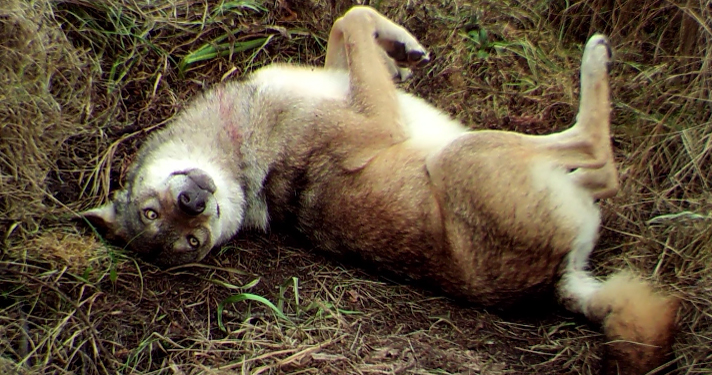
As radiation levels have declined in some areas, nature has reclaimed abandoned infrastructure. Forests now grow through the streets of Pripyat, and wildlife populations have rebounded in the absence of human habitation. Yet this ecological resurgence accelerates the decay of Soviet-era artifacts — murals, personal belongings, and architectural details are deteriorating rapidly, creating urgency for preservation efforts like Mittica’s photographic archive.
The persistence of radioactive isotopes ensures that the challenge extends far beyond the current generation. Mittica emphasizes that managing Chernobyl’s legacy is not a historical footnote but an ongoing responsibility, stating that “we are just at the beginning of the story” and that future generations will need to develop long-term strategies for containment and monitoring.
How has wildlife changed in the Chernobyl Exclusion Zone over the past 40 years?
Observations show certain species, like tree frogs near the reactor, exhibit darker pigmentation than those in less contaminated areas, possibly indicating an adaptive response to radiation, though broader ecological impacts remain complex and not uniformly negative due to reduced human presence.

Why does the cleanup effort at Chernobyl continue decades after the disaster?
Long-lived radioactive isotopes such as cesium-137 and strontium-90 persist in the environment, requiring ongoing monitoring, containment of contaminated materials, and management of the deteriorating sarcophagus and spent fuel to prevent further release.
