

The Alzheimer’s Association reports that U.S. Spending on Alzheimer’s care will surpass $400 billion in 2026, even as modern research shows structured lifestyle interventions can slow cognitive decline in high-risk adults.
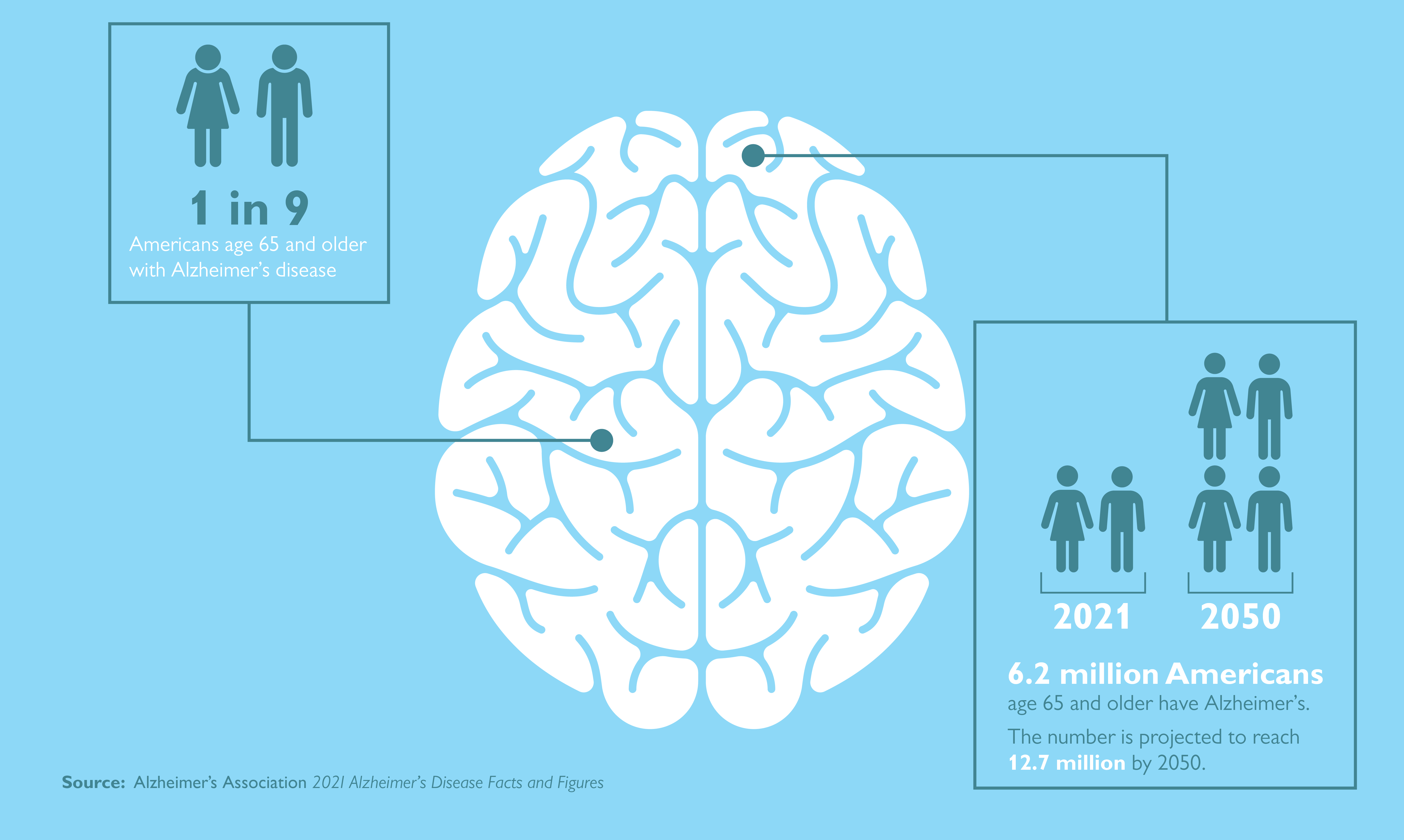
This projection marks a steep rise from previous years, driven by an aging population and the intensifying care needs as the disease progresses through its stages. The financial burden falls disproportionately on families, many of whom live on fixed incomes and struggle to afford institutional care that averages $145,000 annually for a private nursing home room in Toledo, Ohio — or nearly $400 per day.
Yet despite the growing cost crisis, prevention remains elusive for most Americans. A recent Alzheimer’s Association survey of over 3,800 adults aged 40 and older found that while 88% consider brain health “very important,” only 9% feel they know “a lot” about how to protect it.
Experts say the gap between awareness and action persists because maintaining brain-healthy habits is difficult to sustain, even when people understand their value. Sleep, physical activity, nutrition, and mental engagement each play a role, but their combined effect is what offers the strongest protection over time.
The U.S. POINTER study, a randomized controlled trial involving more than 2,100 at-risk adults, compared self-guided health advice with structured interventions including prescribed diets and exercise regimens. After two years, both groups showed improved cognitive function, but those in the structured group performed comparably to individuals up to two years younger.
These findings reinforce that dementia risk is not fixed by genetics alone. While variants of the APOE gene increase susceptibility, researchers emphasize that modifiable factors — particularly the synergy of multiple healthy behaviors — play a decisive role in long-term brain health.
Marilyn Oehlers, a retired nurse from Toledo whose husband Ken was diagnosed with Alzheimer’s in 2020, described how enrolling him in MemoryLane Care Services’ daytime program transformed his mood. “He was bored at home because we were together almost 24/7. Since he’s been here, he’s happy. He’s smiling again,” she said.
MemoryLane operates on a cost-share model, using grants and donations to reduce financial strain on caregivers. Staff and families alike stress the importance of regular respite — recommending at least one weekly break for caregivers to prevent burnout and maintain their own well-being.
The Alzheimer’s Association warns that without broader access to preventive strategies and affordable support services, the economic and emotional toll of the disease will continue to escalate. Current trends suggest that unless intervention rates rise significantly, care costs will maintain climbing in tandem with prevalence.
Can lifestyle changes really reduce Alzheimer’s risk?
Yes — research like the U.S. POINTER trial shows that combining diet, exercise, sleep, and mental stimulation can improve cognitive function in at-risk adults, with effects comparable to reversing up to two years of brain aging.
Why do so few Americans know how to protect their brain health despite valuing it?
Although 88% of adults 40 and older say brain health is very important, only 9% feel informed about how to maintain it, suggesting a gap between awareness and accessible, actionable guidance.
