

The wellness industry continues to promote protein bars as a virtuous choice for active lifestyles. Yet despite their reputation as a nutritious option, some bars contain 8 to 11 grams of saturated fat—surpassing the 6 grams found in a typical fast-food cheeseburger. For those monitoring daily fat intake, consuming one of these bars could account for a significant portion of the recommended limit before the day is over.
The Saturated Fat Surprise: When Protein Bars Outpace Fast Food
A comparison of nutrition labels reveals an unexpected trend: some popular protein bars contain more saturated fat than a cheeseburger. The Dietary Guidelines recommend limiting saturated fat to 10% of daily calories—approximately 22 grams for a 2,000-calorie diet—while the American Heart Association suggests an even lower target of 6%, or about 13 grams. Health professionals have noted that consuming one high-fat bar could use up nearly half of this daily allowance, leaving little room for other meals.
The elevated fat content in these bars is often linked to ingredients like palm kernel oil, cocoa butter, and coconut oil, which are used to achieve a rich texture or chocolate-like coating. While these fats contribute to the appealing taste and mouthfeel of the bars, they also increase the saturated fat content. Meanwhile, sugar alcohols and fiber may help reduce the perceived sugar content, creating the impression of a healthier product. The outcome is a bar that may appear to be a protein-rich snack but delivers a nutritional profile closer to that of a dessert.
Why Influencers Keep Recommending These Bars
In promotional content, protein bars are frequently presented as a clean, macro-friendly option with appealing flavors. The focus tends to be on the protein content—whether from whey, pea, or soy—while the fat composition is often downplayed. Influencers may highlight the convenience and protein grams but rarely emphasize the fat content or its potential impact on daily dietary goals.
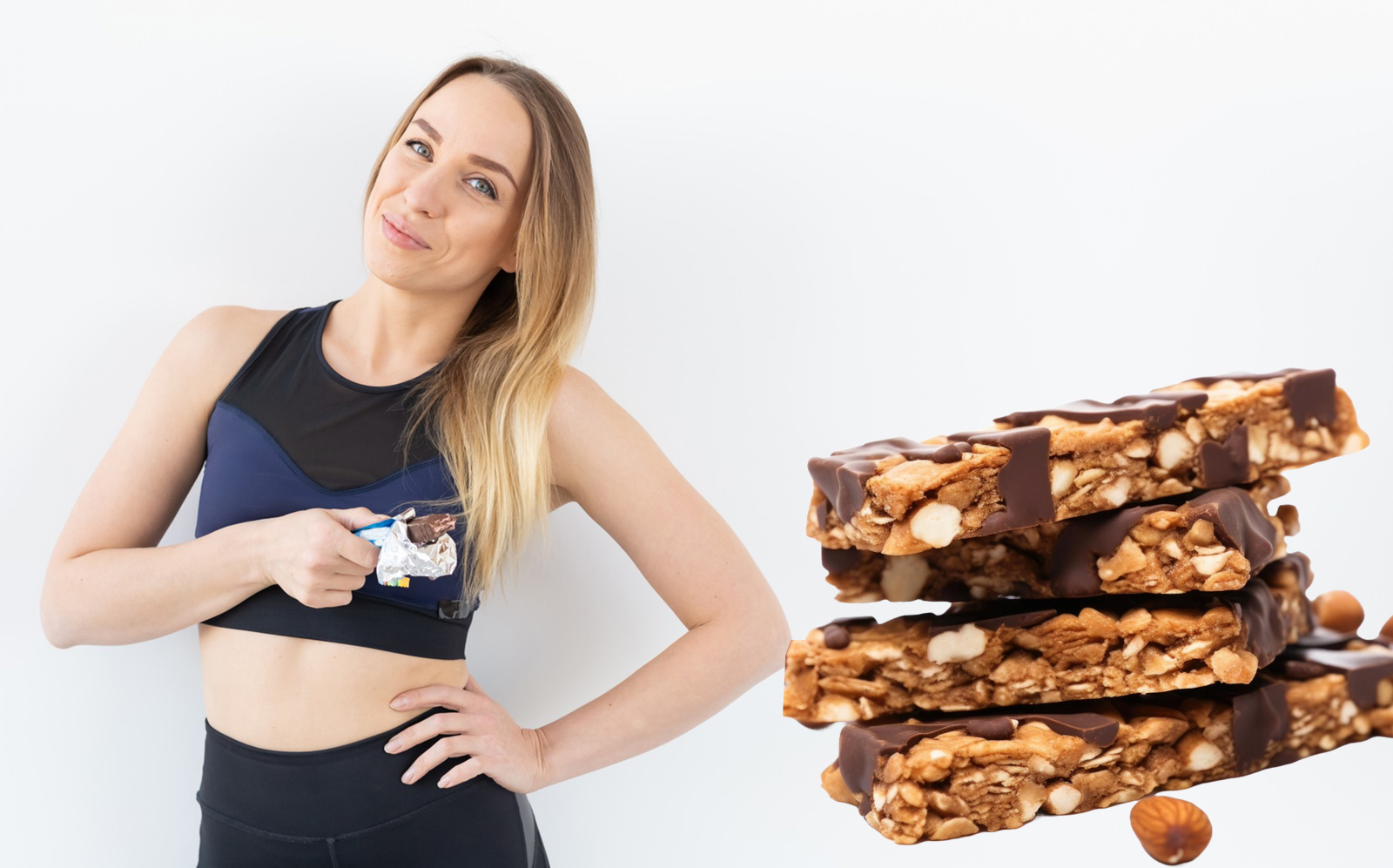
The trade-off extends beyond taste. When a significant portion of a bar’s calories comes from fat, the nutritional benefits of the protein may be overshadowed. Health experts have pointed out that muscle repair depends more on protein quality and overall dietary patterns than on hidden saturated fats. While the protein in these bars may be effective, the added fats and coatings can dilute the intended benefits. As one dietitian noted, a well-formulated bar doesn’t require excessive fats to be palatable—if the coating resembles chocolate, it may indicate a higher saturated fat content.
How to Spot a Truly Healthy Protein Bar
Reading the label is the most effective way to evaluate a protein bar. Look for options with 3 grams or less of saturated fat, at least 15 to 20 grams of protein, and no more than 8 grams of added sugar. The ingredient list should prioritize healthier oils, such as canola or sunflower, over palm kernel or coconut oil. Ingredients like cocoa butter or palm oil listed near the top may signal a higher fat content.
Context is important when choosing a bar. An occasional high-fat option may not disrupt an otherwise balanced diet rich in unsaturated fats, such as those from olive oil, nuts, and fish. In certain situations, like long travel days or pre-exercise fueling, a higher-calorie bar could be useful. The key is making an informed choice rather than relying solely on marketing claims. Health professionals caution that some bars may resemble desserts in disguise, emphasizing the need to look beyond the protein content.
The Bigger Picture: Wellness Marketing and the Protein Hype
The popularity of protein bars reflects broader trends in wellness marketing, where high-protein products are often positioned as essential for muscle repair, satiety, and convenience. However, convenience can come with trade-offs, including higher levels of saturated fat that may conflict with dietary recommendations. This disconnect between marketing and nutritional reality is not unique to protein bars but is part of a larger pattern in the wellness industry.
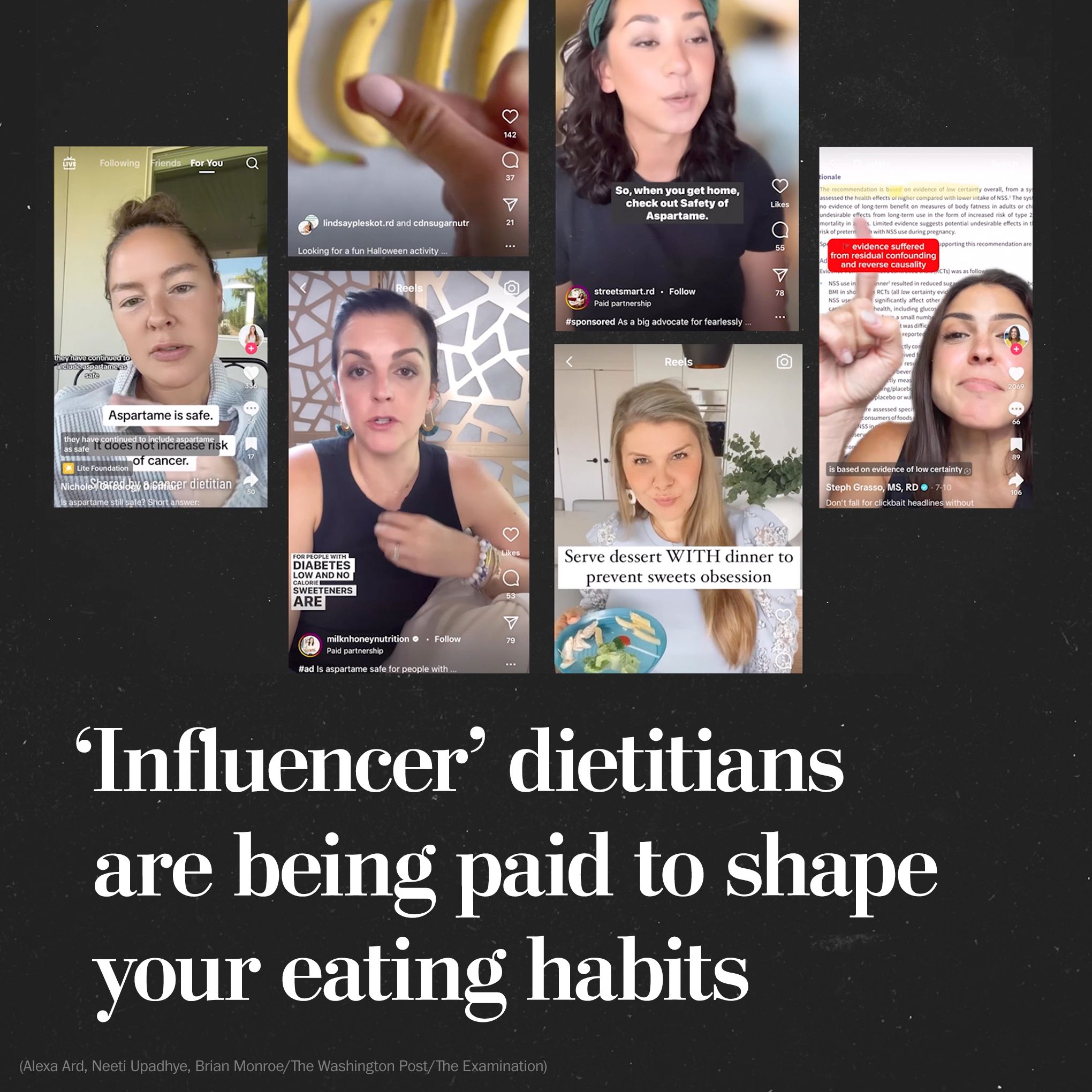
Both the Dietary Guidelines and the American Heart Association emphasize limiting saturated fat to support heart health. Despite these recommendations, many products continue to prioritize taste and convenience over nutritional balance. Protein bars are one example of how marketing can overshadow the intended health benefits. While some bars are genuinely nutritious, others may undermine their own advantages through misleading presentation or consumption habits.
For consumers, the lesson is clear: it’s important to look beyond the marketing claims. A bar that tastes like dessert may not be the healthiest choice, regardless of what influencers suggest.
