
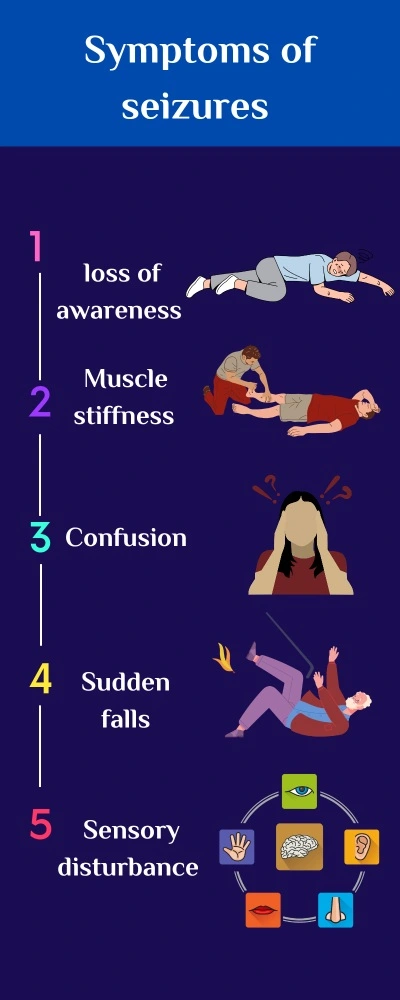
For many, a seizure is a significant medical event. In the United States, about 1 in 10 adults will experience one at some point in their lives. Many of these instances are associated with various physiological stressors or other underlying health conditions that can trigger abnormal electrical activity. However, when a seizure occurs for the first time in an adult, the clinical implications shift from the common to the critical.
Recent findings published in JAMA Neurology suggest that these episodes can be the first visible evidence of brain cancer. By analyzing nearly 49,900 Danish adults with an average age of 50, researchers identified a connection between first-time adult seizures and a higher risk of developing neurological cancer within a single year, as well as a slightly increased risk over the long term.
The biological trigger of cortical disruption
The link between a tumor and a seizure is rooted in the electrical activity of the brain. The cerebral cortex relies on electrical activity to function, serving as a hub for processing information and managing bodily responses. When a tumor develops in this region, it does not merely occupy space; it fundamentally alters the environment of the surrounding tissue.
“Tumors that are in our brain cortex or swelling from these things can disrupt normal electrical activity,” Dr. Randy D’Amico, director of the Brain and Spine Metastasis Program and associate professor of neurosurgery at Northwell Lenox Hill Hospital
This disruption can occur through interference and pressure. A growing mass can irritate neurons, causing them to fire erratically. Simultaneously, the inflammation and swelling associated with a tumor increase intracranial pressure. This physical stress on the brain tissue can provoke the abnormal electrical surges that manifest as a seizure.
Because these electrical disruptions can happen even when a tumor is relatively small, the seizure often precedes more obvious symptoms. While severe headaches or dizziness are well-known red flags, a seizure may be the first signal that the brain’s electrical stability has been compromised. This provides an opportunity for medical detection and intervention before other symptoms progress.
When seizures signal non-neurological cancers
A first-time seizure does not always point to a primary brain tumor. In many cases, the brain is the second site of a disease that began elsewhere in the body. This is known as metastatic disease, where cancer cells spread from their original site to colonize the brain.
The AOL report on the research indicates that first-time adult seizures are also linked to non-neurological cancers. The highest risks are associated with cancers of the lungs, bronchi, and trachea. In these instances, the patient may be entirely unaware they have cancer in their chest until a seizure occurs, revealing that the disease has already spread to the brain.
“You may not know that you have cancer, but the tumor itself or the cancer that’s developing is causing things like small metastatic disease to the brain,” Dr. Randy D’Amico, director of the Brain and Spine Metastasis Program and associate professor of neurosurgery at Northwell Lenox Hill Hospital
The affinity for certain cancers to migrate to the brain is a specific clinical challenge. As Dr. D’Amico noted, lung cancer loves to go to the brain
. Even a small metastatic tumor, accompanied by localized swelling, is sufficient to trigger a seizure, making the neurological event a proxy indicator for a systemic malignancy.
Distinguishing the smoke from the fire
Despite the urgency, a seizure is not a definitive diagnosis of cancer. The brain is sensitive to a wide array of chemical and environmental shifts. Seizures can be triggered by fluctuations in blood sugar, inflammation, hypoxia, changes in breathing, or the body’s inability to properly control sodium levels.
The challenge for clinicians is distinguishing these transient triggers from a permanent structural threat. To describe this nuance, Dr.
“I think the seizure is the smoke, not necessarily the fire,” Dr. Randy D’Amico, director of the Brain and Spine Metastasis Program and associate professor of neurosurgery at Northwell Lenox Hill Hospital
In this framework, the seizure is the visible signal—the smoke—that alerts doctors to a potential problem. The fire
is the underlying pathology, such as a tumor, which may already be active within the brain. Because the smoke is often the only warning available, the medical response must be immediate, even if the eventual diagnosis is non-malignant.
The implication for adult patients is a shift in how first-time neurological events are prioritized. When a seizure occurs in an adult, it requires a comprehensive clinical evaluation to determine the cause. It should be treated as a high-priority medical event, because it may be the only warning a patient receives before a malignancy becomes advanced.
