

The details of daily life often reveal what medical visits do not. For Jennifer Clark, a 40-year-old teacher and clinical counseling graduate student in Colorado, tracking her symptoms became a necessity. For months, she documented irregular periods and sleepless nights before seeking help. The response she received—recommendations to adjust her diet, exercise more, and use a fan—left her feeling as though her concerns were not fully addressed. While the advice was not incorrect, it did not account for the hormonal shifts she was experiencing.
The Exam Room as a Dead End
The mismatch between what women report and how their symptoms are received is not a new issue, though perimenopause brings it into sharper focus. Clark’s experiences—night sweats, changes in mood, and weight fluctuations—are well-documented signs of hormonal changes. Yet the responses she encountered were not unique: general suggestions, a focus on lifestyle adjustments, and an unspoken sense that her concerns were being minimized. Some medical professionals, particularly those in obstetrics and gynecology, may rely on familiar approaches rather than specialized knowledge of menopause-related care.
Dr. Jeremy London, a board-certified cardiothoracic surgeon, has addressed this gap in public discussions. In a post earlier this year, he emphasized that menopause is not a medical condition but a natural transition. He noted that the decisions women make in earlier decades can influence how they experience this phase of life. The distinction matters: if menopause is framed as a normal part of aging rather than a disorder, the conversation shifts from treatment to preparation. However, this shift requires a level of foresight that is not always present in medical practice.
The lack of discussion around perimenopause is reflected in medical education. Recent surveys indicate that only a small share of U.S. medical schools require coursework on menopause, and even fewer cover perimenopause in detail. This oversight has implications. Estrogen, which declines during this transition, plays a role beyond fertility—it supports heart health, cognitive function, and metabolic stability. As estrogen levels change, risks such as elevated blood pressure and cholesterol may increase. These are not distant concerns but potential outcomes of physiological shifts that begin years earlier.
What the Body Remembers
The progression of perimenopause is not uniform. It often begins in the 30s or 40s with subtle changes—disrupted sleep, mood fluctuations, or unpredictable menstrual cycles. These shifts are easily overlooked, particularly when medical responses are limited. Yet the body adapts in ways that extend beyond immediate symptoms. Dr. London’s observations highlight this: estrogen’s role is not confined to reproduction but influences broader aspects of health. Its decline is not merely an endpoint but a systemic adjustment.
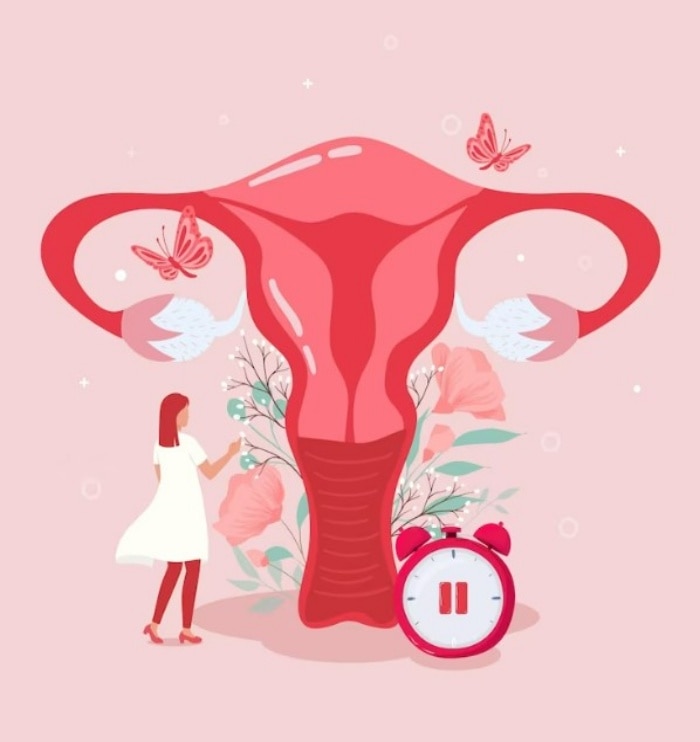
For women like Clark, the effects are immediate. Night sweats are not just discomfort but a sign of the body’s struggle to regulate temperature. Mood changes may reflect underlying neurotransmitter fluctuations. Weight gain is not simply a cosmetic concern but an early indicator of metabolic shifts that can affect cardiovascular health. These symptoms are interconnected, and addressing them requires more than generic advice.
The emotional impact of perimenopause is significant, though harder to measure. Women who have spent years managing their health—through pregnancy, postpartum recovery, or balancing work and family—may find themselves navigating new uncertainties. The lack of open discussion about this phase can contribute to a sense of isolation. Without clear information, preparation becomes difficult.
The Lifestyle Myth and the Prevention Paradox
The advice Clark received—improving diet and increasing exercise—is not without value, but it is incomplete. It resembles telling someone with a fever to drink fluids: helpful, but not sufficient. Perimenopause involves hormonal changes that cannot be fully addressed through lifestyle adjustments alone. A more nuanced approach is needed—one that recognizes the limits of these changes while still emphasizing their importance.
Dr. London’s perspective underscores this balance. He does not dismiss the role of diet and exercise but frames them as long-term strategies rather than immediate solutions. He has noted that habits formed in earlier decades—such as stress management, nutrition, and physical activity—can influence how women experience menopause. The implication is clear: the choices made in one’s 30s and 40s may shape health in the decades that follow.

However, this creates a paradox. If medical professionals do not engage with perimenopause as a meaningful phase of health, how can women be expected to prioritize it? The dismissive responses Clark encountered are not just frustrating; they can discourage proactive care. Research has shown that women who feel their concerns are not taken seriously are less likely to seek follow-up care for menopause-related symptoms. This cycle—minimization leading to disengagement—can result in worse outcomes over time.
The solution involves more than improved medical training; it requires a broader shift in how perimenopause is perceived. This transition is not a niche issue but a universal experience for half the population. Yet it is often treated as secondary—a phase to endure rather than understand. The lack of open discussion is not just inconvenient; it can be harmful. When women do not know what to expect, they cannot advocate for themselves. When doctors are not equipped to respond, they may default to the simplest explanations.
How to Demand Better
The exam room should not be a place where concerns are left unaddressed. Yet for many women navigating perimenopause, it often feels that way. Change depends not only on better-informed medical professionals but also on better-informed patients. Advocacy begins with preparation. Women who enter appointments with detailed symptom records, specific questions, and a clear understanding of their experiences are less likely to be dismissed. Clark’s calendar, marked with irregular periods and night sweats, was not just a personal log but a form of evidence—something harder to ignore than vague descriptions.
Preparation alone is not enough. Women also need to know what questions to ask. Dr. London’s advice provides a starting point: frame menopause as a transition rather than a medical issue. Ask about the broader implications of symptoms. Inquire about estrogen’s role beyond fertility. Seek answers that go beyond generic recommendations. If a doctor cannot provide them, it may be worth considering whether another perspective is needed.
The silence around perimenopause is gradually being challenged. Social media has become a space for women to share experiences, compare symptoms, and call for better care. Dr. London’s public discussions are part of this shift—a recognition that menopause is not just an individual experience but a collective one. However, lasting change will require more than online conversations. It will depend on systemic improvements: expanded medical training, increased research, and a cultural shift that treats women’s health as a priority rather than an afterthought.
The image of a nightstand with a fan and a soaked pillow is not just a personal story. It reflects a broader issue—one where women’s health concerns are often met with oversimplified solutions rather than meaningful understanding. The choices women make today will influence their health for years to come. But those choices cannot be made in isolation. They require access to information, support, and a medical system that takes them seriously. Until then, the fan will keep running, the calendar will keep filling, and the conversation will remain incomplete.
