
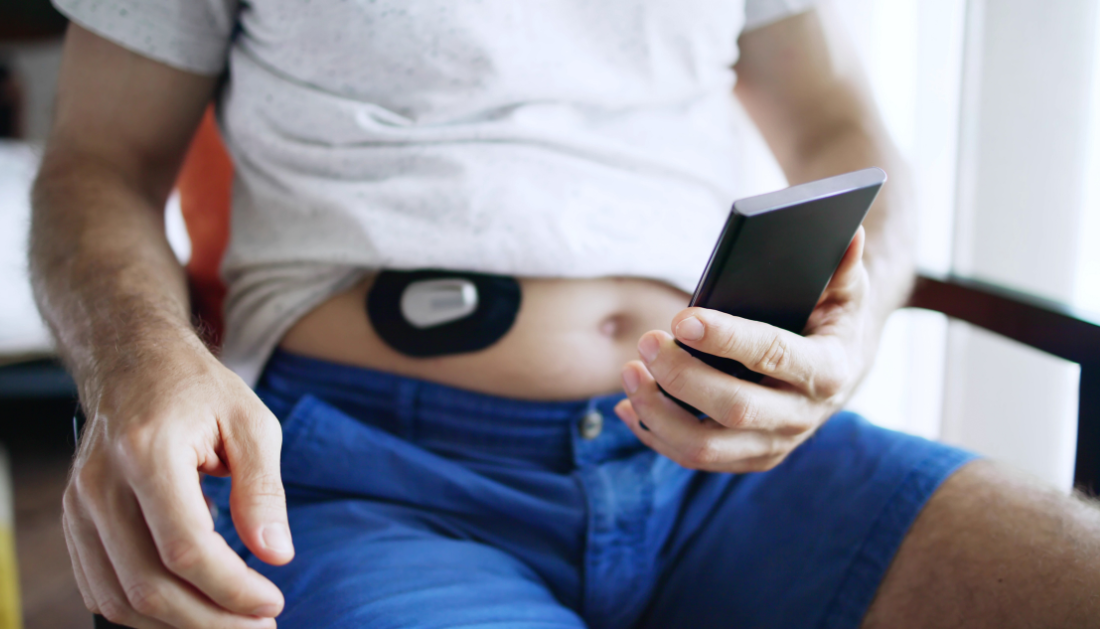
In April 2026, continuous glucose monitors shifted from medical necessity to mass-market wellness gadgets, with users without diabetes buying the devices to track minute-by-minute blood sugar responses to food, sleep, and stress.
The expansion reflects a cultural shift where metabolism is no longer seen as a background process but as something requiring constant optimization, a concept popularized in wellness marketing that suggests real-time feedback loops are needed for peak performance.
In clinical settings, continuous glucose monitors remain a core tool for diabetes management under supervision, with readings interpreted within established thresholds by healthcare providers who guide patients through structured treatment protocols.
Outside that framework, the same data streams lose context, leaving individuals without medical training to interpret complex glucose patterns, a situation experts warn may lead to misreading normal physiological fluctuations as signs of dysfunction.
Regulatory clarity has not kept pace with consumer adoption; although devices are cleared for medical use, their application in non-diabetic populations exists in a grey zone where approval pathways focus on safety but not on the cognitive or behavioral effects of sustained self-monitoring in healthy users.
The promise of precision health often collides with interpretation overload, as continuous streams of biometric data can appear authoritative even when they lack actionable significance, leaving users awash in numbers they cannot meaningfully act upon.
Industry observers describe the trend as a rapid normalization of continuous glucose monitors as lifestyle products rather than strictly medical devices, marking a transition that is not merely technological but cultural in its reframing of personal health.
The central question emerging from this shift is whether constant numerical feedback improves health behavior or simply amplifies anxiety among users who lack clinical guidance to interpret what the data means for their well-being.
What are continuous glucose monitors designed to measure?
Continuous glucose monitors measure glucose levels throughout the day using a small sensor inserted under the skin, providing real-time readouts on how blood sugar responds to food, movement, sleep, and stress.
Why are experts concerned about using CGMs outside diabetes care?
Experts are concerned because without medical training, users may misinterpret normal glucose fluctuations as signs of problems, potentially increasing anxiety rather than improving health, especially in the absence of standardized guidance for healthy individuals.
