
The word massive has transitioned from a simple descriptor of physical weight into a high-stakes linguistic tool used to signal extremity in geopolitics and economics. From describing potential Russian military strikes to the scale of an artificial intelligence arms race, the term now conveys a sense of overwhelming, often severe, magnitude.
From physical mass to abstract severity
Linguistically, the term has deep roots, with its first recorded usage appearing between 1375 and 1425. According to Dictionary.com’s etymological history, the word emerged in late Middle English, replacing the term massif and drawing from Middle French origins. While its origins are grounded in the tangible, its modern application has drifted far from the purely physical.
In its most basic sense, the word describes something forming or consisting of a large mass, or something that is large, solid, or heavy in structure. However, the nuance of the word has expanded to cover much more than just physical dimensions. As noted in Merriam-Webster’s definitions, the word is frequently used to describe things that are large in scope or degree, or even things that are imposing in excellence or grandeur.
This expansion allows the word to act as a linguistic amplifier. It can describe a feeling of frustration that is massive, or a dose of penicillin that is massive in comparison to what is typical. The word bridges the gap between the measurable—like the weight of a star more massive than the sun—and the intangible, such as the scale of human emotion or the reach of a dramatic presence.
Scaling the crises of inflation and artificial intelligence
In the modern era, "massive" is often deployed to describe systemic shifts that threaten to overwhelm existing structures. This is most evident in economic reporting, where the word is used to characterize volatility that exceeds standard fluctuations.

“We’re seeing just a massive inflation,” Guerraz said.
When inflation is described as massive, it implies more than just high prices; it suggests a scale of increase that is extensive and severe, potentially outstripping the ability of providers or consumers to adapt. This same sense of overwhelming scale is currently defining the technological sector, where the pace of development is being framed as a struggle for dominance.
For more on this story, see Russian Drone Attack Leaves 8 Dead, 11 Injured, Power Outages in Ukraine.
“Tech CEOs face a strange environment where they are forced into a massive AI arms race,” according to Muir.
The use of the word in this context moves the conversation away from mere "growth" and toward a state of urgent, competitive escalation. It suggests a race that is not just fast, but one that is characterized by an enormous, perhaps uncontrollable, expenditure of resources and intent.
Geopolitical stakes and the weight of warnings
Perhaps the most critical application of the term is found in the realm of national security and geopolitical intelligence. In these contexts, "massive" is not used to describe grandeur, but to signal imminent, large-scale danger.
Recent security assessments have utilized the term to underscore the severity of potential military actions. The distinction between a standard engagement and a "massive" one is the difference between manageable friction and a catastrophic event.
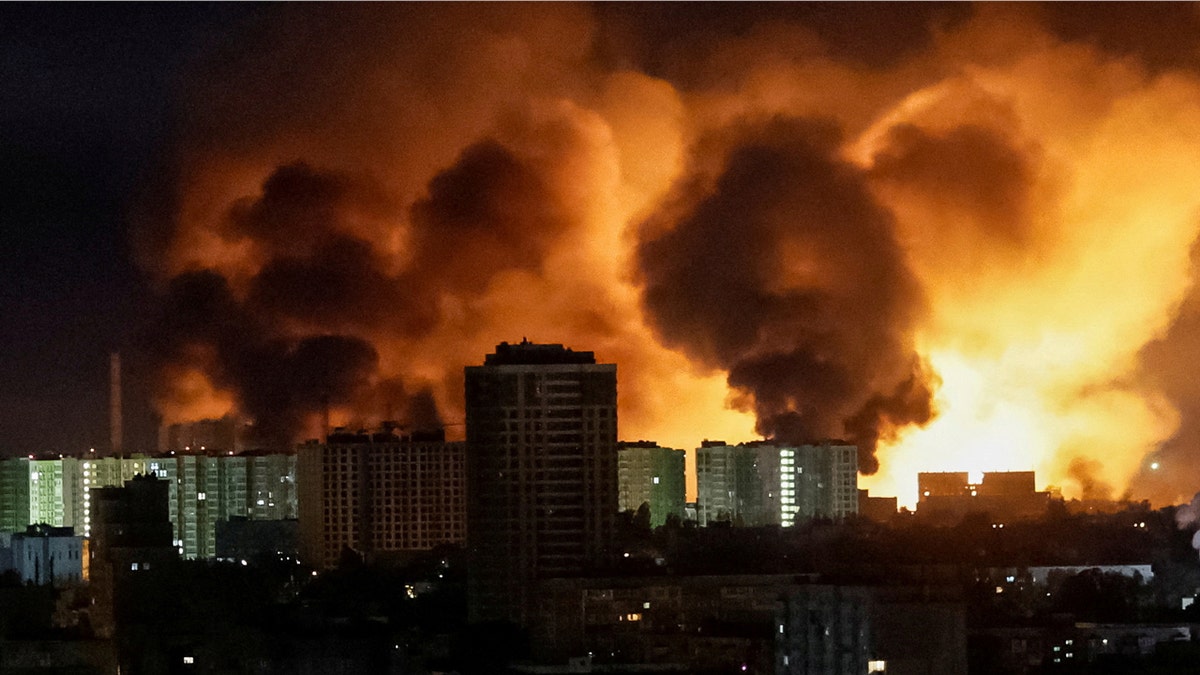
“Intelligence warnings regarding Russian strikes remain in effect. A massive strike is possible, they have prepared one,” Zelenskyy said in his nightly video address.
In this instance, the word serves as a final warning. It categorizes the threat not just by its size, but by its potential to disrupt the entire landscape of the conflict. This usage aligns with the definition of something being "extensive and severe," moving the term into a territory where it functions as a call to action or a signal of extreme readiness.
The breadth of modern usage
The versatility of the word is further evidenced by how it is applied across diverse sectors, from professional sports to urban management. It serves as a shorthand for anything that breaks the mold of the typical or the expected.

- Sports and Finance: A player might be expected to sign a massive contract extension after carrying a specific salary-cap number, such as $4.1 million.
- Tourism and Infrastructure: A massive influx of tourists can test the limits of a country’s urban infrastructure and local populations.
- Media and Culture: Certain events, such as the Primetime Emmys, continue to serve as massive platforms for social media impressions.
- Literature and Narrative: The word can ground a story, describing everything from a massive specimen in a forest to a massive brick oven in a cottage.
Whether describing a physical object, an economic trend, or a military threat, the word "massive" carries an inherent weight. It is a descriptor used when the scale of the subject matter has become too large for more moderate language to capture. As global systems—be they economic, technological, or military—continue to operate at higher intensities, the frequency of this term in high-level discourse is likely to persist.
