Argentine President Javier Milei’s diplomatic and ideological gambits are on full display as his government deepens ties with the Vatican, with a potential papal visit to Argentina looming large over the political and religious landscape.
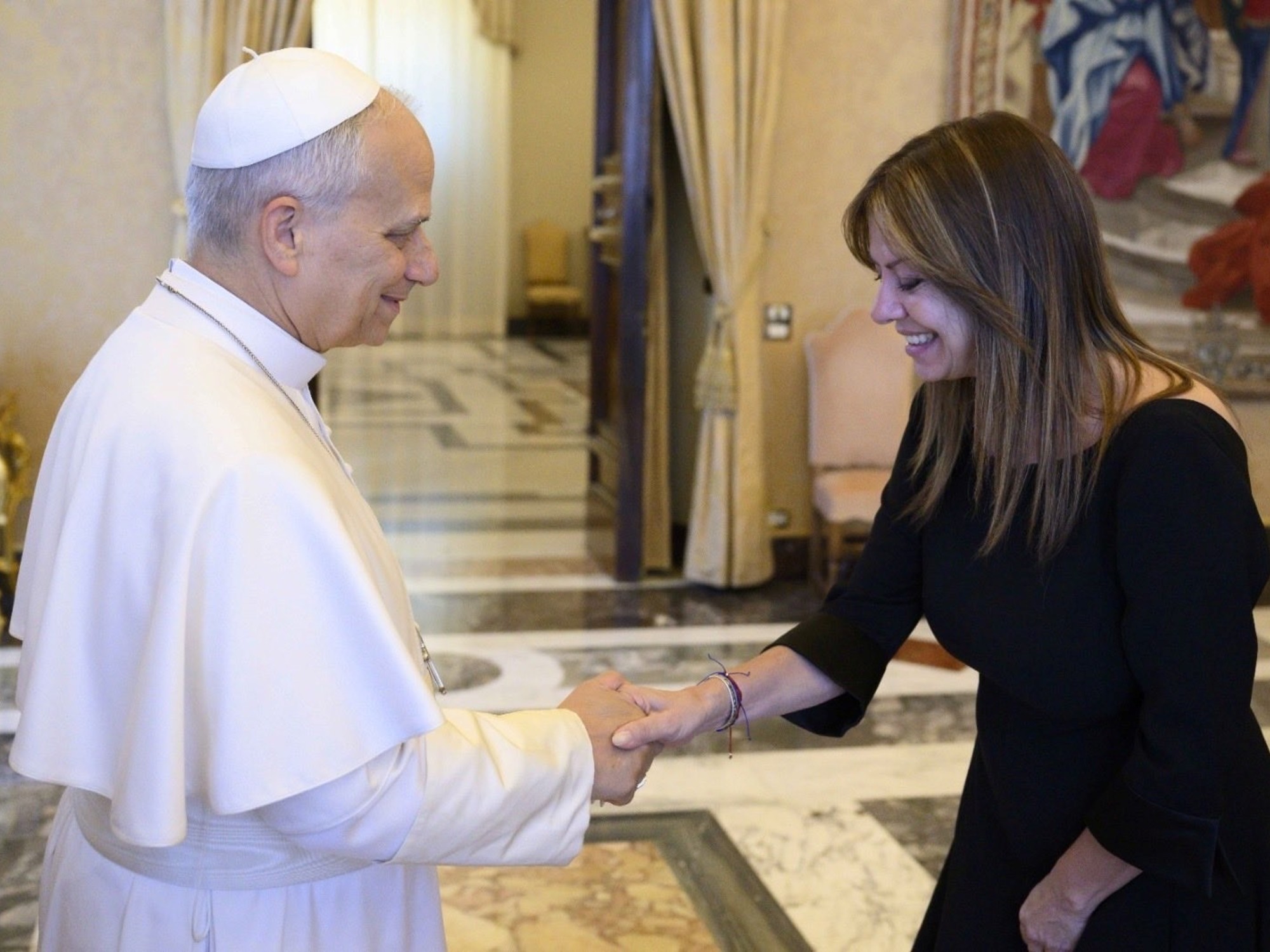
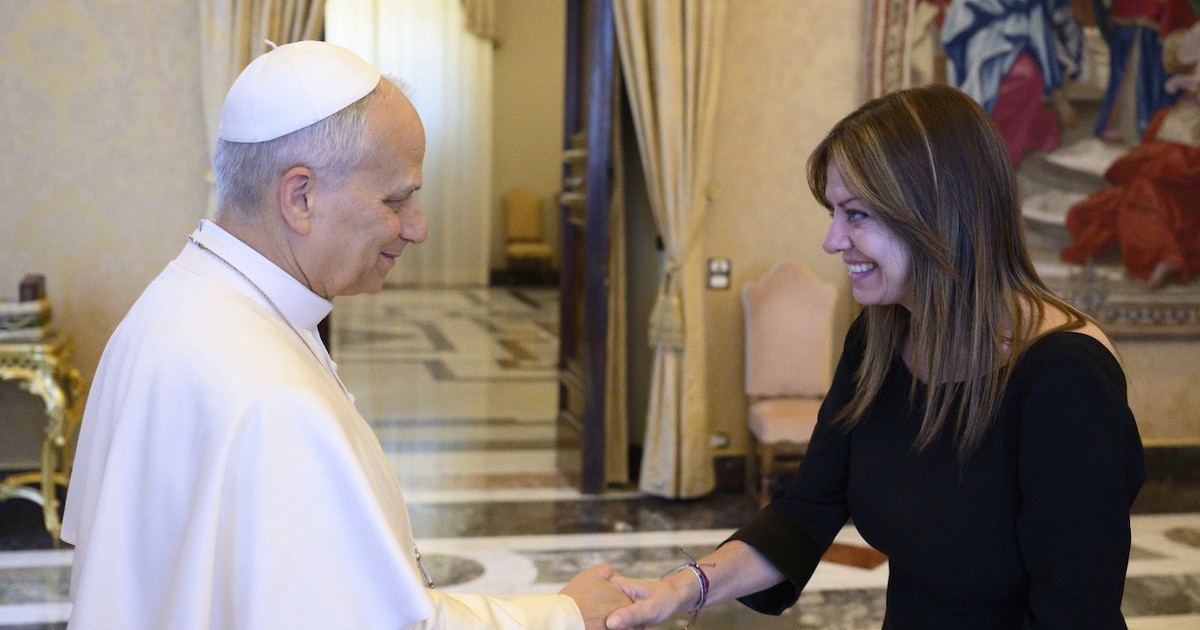
The Argentine Minister of Capital Humano, Sandra Pettovello, met with Pope León XIV in Rome this week, marking a high-stakes moment in a delicate dance between Milei’s administration and the Catholic Church. The encounter, part of a broader diplomatic push to secure a papal visit to Argentina later this year, also underscored the growing tensions—and rare moments of cooperation—between the government’s economic agenda and the Church’s social concerns.
Diplomatic Chess: The Vatican and Milei’s Gamble on a Papal Visit
Pettovello’s visit to the Vatican was not merely ceremonial. It came as the Argentine government and the Holy See work behind closed doors to finalize plans for León XIV’s first trip to Argentina, a visit that could redefine the country’s religious and political narrative. According to Infobae, the timing and details remain under wraps, but Milei himself has signaled that the visit is “highly probable” for November of this year, pending no unforeseen crisis. The Vatican, however, has maintained a studied silence, leaving room for speculation about the final itinerary and the political implications of such a high-profile event.
cluster (priority): Letra Pcluster (priority): Radiocanal
The potential visit is not just a matter of protocol. It carries significant symbolic weight, especially given the strained relationship between Milei’s administration and the Catholic Church over economic and social policies. The president’s uncompromising stance on liberal reforms, including austerity measures and deregulation, has drawn sharp criticism from Church leaders, who have highlighted the growing poverty and inequality in the country. As Radiocanal reports, the Conference Episcopal Argentina’s president, Marcelo Colombo, has openly lamented the rise in poverty, noting that even middle-class families are now turning to Catholic charities for help—a stark contrast to previous years.
Yet, despite these tensions, the Vatican and Milei’s government appear to be navigating a cautious rapprochement. The recent meeting between Pettovello and León XIV, along with her discussions with key Vatican officials, suggests that the Church and the government are finding common ground, particularly in areas like education and labor training. Pettovello’s agenda in Italy included meetings with Italian education officials and a focus on digital skills and artificial intelligence—topics that align with both the Vatican’s global initiatives and Milei’s push for economic modernization.
Economic Reforms vs. Social Realities: The Church’s Dilemma
The Church’s growing concern over Milei’s economic policies is not new. Since taking office, Milei has pursued aggressive reforms aimed at reducing state intervention and stimulating private investment. While supporters hail these measures as necessary for Argentina’s economic recovery, critics—including Church leaders—argue that the social cost has been too high. The poverty rate currently stands at 28.2%, according to sources cited by Radiocanal, and the Church’s charities are seeing a surge in demand from families once considered middle-class.
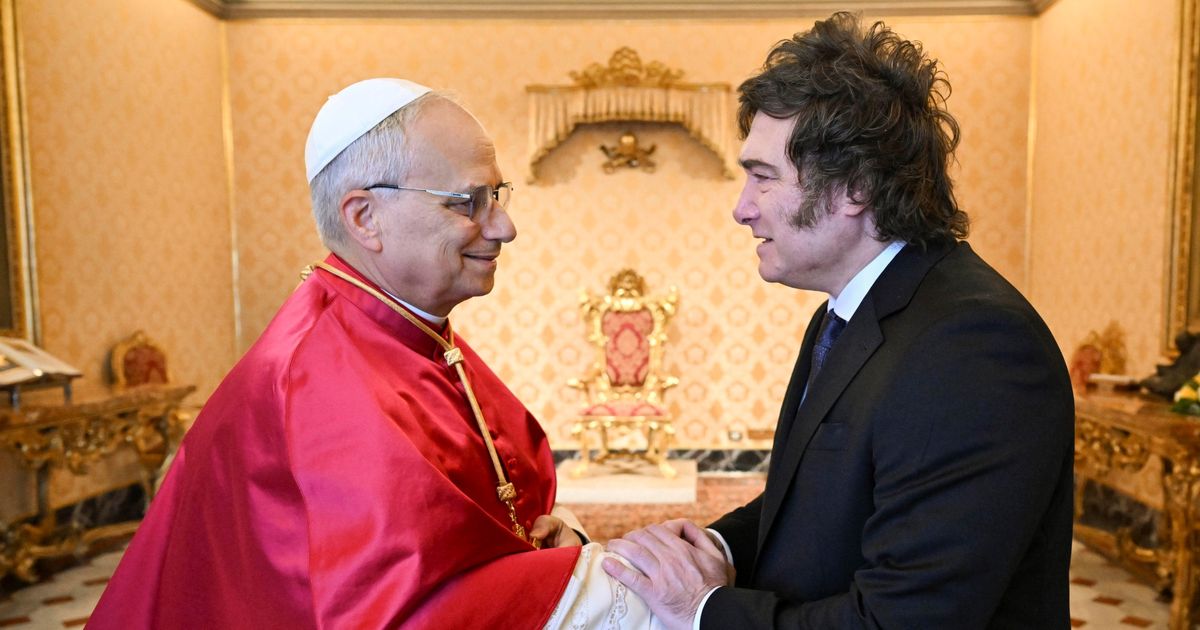
Pope Leo XIV meets with Argentina President Javier Milei at the Vatican
The potential papal visit adds another layer to this complex dynamic. If León XIV were to travel to Argentina, it would not only be a historic moment for the country’s Catholic community but also a chance for the Church to engage directly with Milei’s government on social issues. The Vatican’s silence on the visit’s specifics may be a deliberate strategy to avoid inflaming political divisions, but the underlying tensions remain. As one Vatican source told Letra P, “More soon than later,” the visit is expected, but the political and social context will shape its impact.
Milei, for his part, has sought to downplay the Church’s criticisms, framing his economic policies as necessary for Argentina’s long-term stability. However, his recent remarks at the International Holocaust Remembrance Alliance meeting—where he accused the radical left of aligning with Islamic terrorism—highlight his broader ideological battles. His statement, “If they take down Israel, they will take down the West. Therefore, we must defend Israel not only for utilitarian reasons but because it is a noble cause,” reflects a hardening stance that could further polarize domestic and international debates.
What’s Next: The Papal Visit and Beyond
The road to a papal visit is still fraught with uncertainty. While Milei and his team have signaled optimism, the Vatican’s reluctance to confirm details suggests that logistical and political hurdles remain. The potential itinerary, which could include Buenos Aires, Luján, Córdoba, and possibly a stop in Patagonia, is still under discussion. As Letra P notes, Santiago del Estero, initially considered as a possible stop due to its historical significance, has fallen out of favor due to logistical challenges.
cluster (priority): Infobae
Beyond the visit itself, the deeper question is whether this diplomatic thaw can translate into meaningful cooperation on social issues. The Church’s concerns about poverty, labor rights, and the proposed Ludopatía law—criticized for its lenient approach to gambling advertising—remain pressing. If León XIV’s visit is to have lasting impact, it may need to address these issues directly, potentially forcing Milei’s government to engage on social policies beyond its economic agenda.
For now, the Vatican and Milei’s government are playing a delicate game of chess. The potential papal visit is a high-stakes move, one that could either bridge divides or deepen them. What is clear is that the stakes are high—not just for Argentina’s political and religious leaders, but for the millions of citizens whose lives are being reshaped by these decisions.
As the pieces continue to shift on the board, one thing is certain: the coming months will be critical in determining whether this moment of diplomatic rapprochement can translate into tangible progress for Argentina’s most vulnerable populations.