
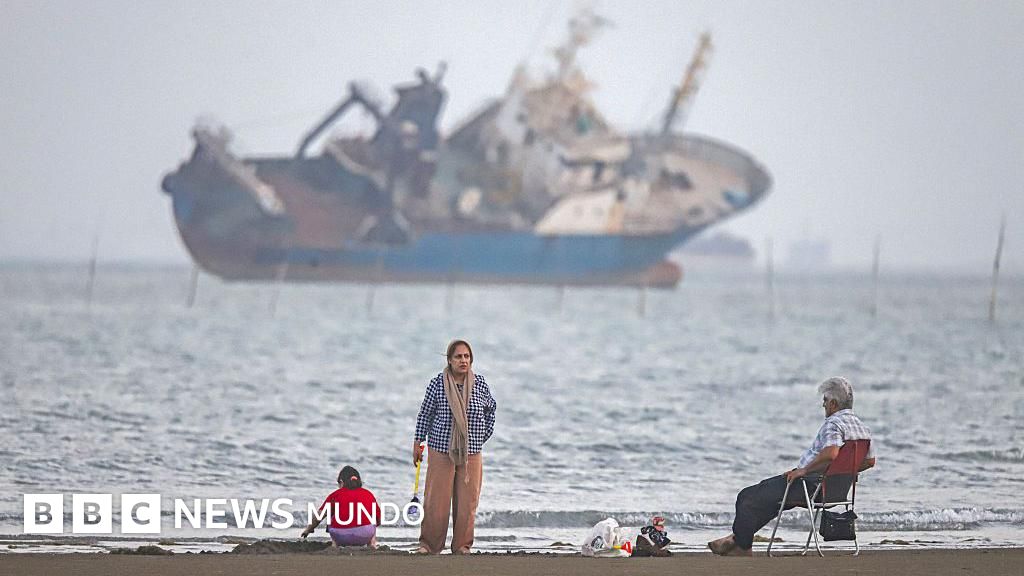
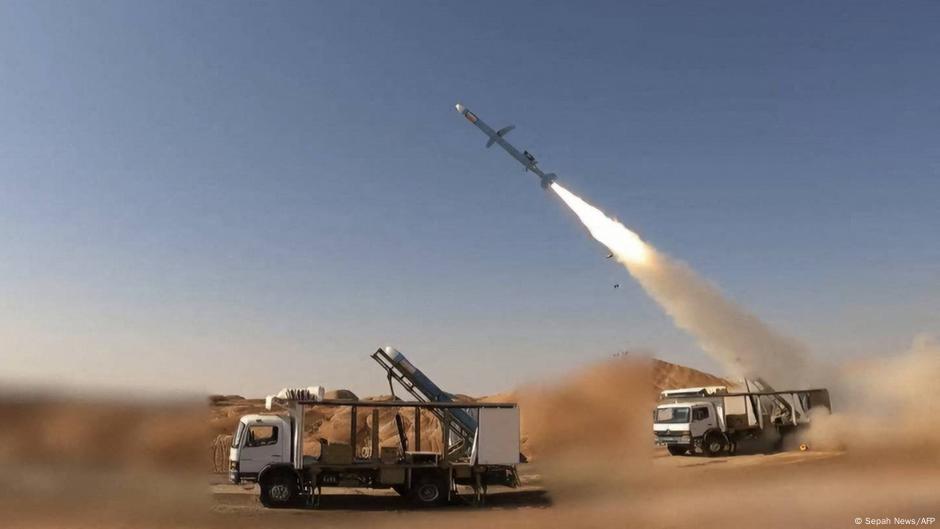
The United States and Iran exchanged fresh military strikes over the weekend, escalating tensions in the Strait of Hormuz and derailing fragile peace talks that have already dragged on for more than three months. On Saturday, the U.S. Central Command (Centcom) launched “attacks in self-defense” against Iranian radar sites and drone control centers in response to Tehran’s downing of an American drone in international waters. Iran retaliated by striking a U.S. airbase used for operations in the region, while Kuwait reported intercepting hostile missiles and drones aimed at its territory—none of which caused casualties, according to officials.
This latest round of violence comes as both sides remain deadlocked in negotiations to end the conflict and reopen the Strait of Hormuz, a critical chokepoint for global oil shipments. The U.S. has demanded Iran remove mines from the waterway and refrain from charging tolls, while Iran insists the strait remains under its “total control.” The standoff has already sent oil prices surging by more than 2%, as markets brace for further disruptions.
Why the Strait of Hormuz Is the Flashpoint
The Strait of Hormuz is not just a waterway—it is the world’s most strategically vital shipping lane, through which roughly 20% of global oil production passes daily. When Iran closed the strait in April as retaliation for U.S. and Israeli strikes in February, Washington responded with a naval blockade of Iranian ports, seizing or diverting more than 116 vessels attempting to breach the embargo. The latest incident involved the M/V Lian Star, a ship flying the flag of Gambia, which was disabled after ignoring repeated U.S. warnings and heading toward an Iranian port in the Gulf of Oman. The U.S. claims it has now inutilized five commercial vessels to enforce the blockade, a move that has drawn sharp criticism from Tehran.
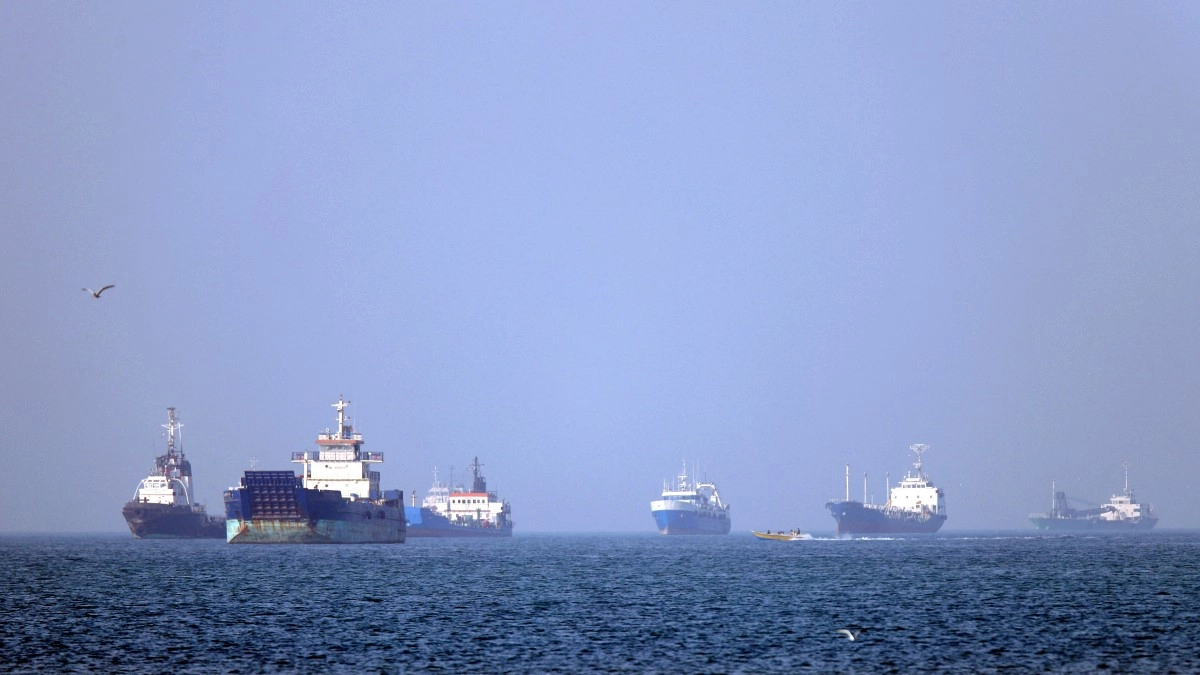
According to the BBC and ELTIEMPO.com, the blockade has become a key sticking point in the negotiations. Iran has accused the U.S. of using the blockade to exert economic pressure, while Washington insists it is a necessary measure to prevent Iran from resupplying its military forces in the region. The tension is further inflamed by the ongoing conflict in Lebanon, where Israel’s offensive against Hezbollah—backed by Iran—has led to renewed threats from Tehran to open “new fronts” if Israel escalates its attacks.
For more on this story, see U.S. strikes Iran over Strait of Hormuz mine-laying, calls it self-defense.
— U.S.
The U.S. has framed its strikes as preemptive measures against what it calls “deliberate and calculated” Iranian aggression. On Sunday, Centcom reported that U.S. warplanes targeted Iranian air defenses, a ground control station, and two attack drones that posed a “clear threat” to shipping in the region. Iran, in turn, denied any escalation, insisting its actions were defensive and that the U.S. was the primary instigator. The Iranian Foreign Ministry accused Washington of “constantly changing its positions and presenting new, contradictory demands,” a move that, according to Tehran, will only prolong negotiations.
The Nuclear Stakes: What’s Really at Risk?
The core issue remains Iran’s nuclear program. Tehran insists its enrichment activities are for civilian purposes, but the U.S. and its allies view them as a potential pathway to developing nuclear weapons. President Donald Trump has made clear that any final agreement must address both the nuclear issue and Iran’s control of the Strait of Hormuz. In a post on Truth Social over the weekend, Trump stated that Iran “really wants to reach a deal, and it will be a good one for the U.S.” However, Iranian officials have rejected any compromise that does not fully guarantee their rights, including the right to navigate the strait without interference.
According to Infobae, Trump’s proposal includes demands for Iran to withdraw highly enriched uranium, a step that would significantly limit Tehran’s ability to develop a nuclear weapon. Iranian negotiators, however, have made it clear that they will not accept any deal that does not fully address their security concerns, particularly the U.S. blockade and the threat of further strikes.
This follows our earlier report, US strikes Iran targets for second time in three days.
What Happens Next: The Road Ahead
The immediate risk is that the latest exchanges will further erode trust between the two sides, making a breakthrough in negotiations even more difficult. Iran has already suspended talks, demanding that the U.S. include Lebanon in any ceasefire agreement—a move that Washington has so far refused to entertain. Meanwhile, the blockade of Iranian ports shows no signs of easing, and the U.S. has made it clear that it will not lift sanctions until Iran fully complies with its demands.

For now, the focus remains on preventing a wider regional conflict. The Strait of Hormuz is the linchpin: if Iran reopens it, global oil markets may stabilize, but the underlying tensions will persist. If the U.S. maintains its blockade, Iran could escalate its attacks on shipping or even attempt to mine the strait further, risking a direct confrontation. The question is no longer whether the two sides can reach an agreement, but whether they can avoid a full-blown war before the next round of talks.
One thing is certain: the stakes could not be higher. With oil prices already volatile and global supply chains at risk, the world is watching closely to see if diplomacy can prevail—or if the region is heading toward another dangerous escalation.
