
The Collapse of US-Iran Negotiations

The diplomatic channel between Tehran and Washington has effectively gone dark. According to NRK, Iran has stopped communicating with the U.S. via mediators, signaling a hard pivot away from the negotiating table. This is not a mere pause; it is a calculated response to the intensification of Israeli operations in Lebanon.
The state-run news agency Tasnim reports that Iranian negotiators have broken off talks entirely. The message from Tehran is blunt: there will be no further conversations until demands regarding the cessation of Israeli attacks in both Lebanon and Gaza are met.
This breakdown suggests that the “red lines” for the Iranian leadership have shifted. While previous diplomacy focused on specific nuclear or regional concessions, the current crisis has linked the survival of U.S.-Iran relations directly to the tactical movements of the Israeli Defense Forces (IDF) in Beirut and Gaza.
Weaponizing Strategic Chokepoints
Tehran is no longer relying solely on diplomatic threats. Iran and its allies in the “resistance front”—a term referencing regional partners including the Houthis in Yemen—have decided to implement a total blockade of the Strait of Hormuz.
The stakes are global. The Strait of Hormuz is the world’s most critical artery for oil trade, and the threat of its closure has already triggered immediate market volatility. Following Iran’s announcement, oil prices jumped by over 4 percent.
The escalation extends beyond the Persian Gulf. Iran has threatened to activate additional fronts, specifically the Bab el-Mandeb Strait in the Red Sea. This is where the Houthi militia possesses the capability to halt maritime traffic, as they have previously attempted while trying to force Israel to stop its operations in the Gaza Strip.
The Lebanon Front and the Beirut Escalation
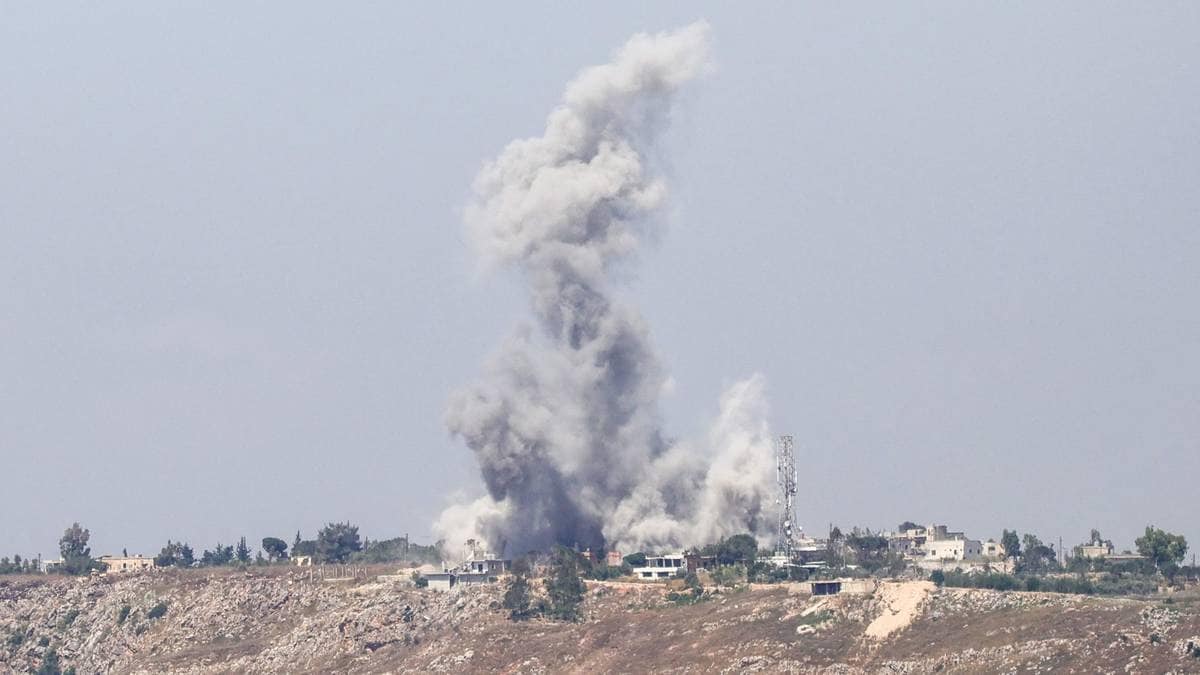
The immediate catalyst for this diplomatic rupture was a series of intensified strikes in Lebanon. Israeli Prime Minister Benjamin Netanyahu ordered the military to target the Dahieh district in southern Beirut, citing Hizbollah’s breach of a ceasefire and ongoing attacks against Israel.
The scale of the Israeli operation is expanding rapidly. Beyond the strikes in the capital, Israel has ordered the evacuation of seven cities in southern Lebanon. This movement suggests a deepening ground presence or a preparation for more massive aerial bombardments in areas where Hizbollah maintains its primary strongholds.
The timeline of this conflict reveals a cycle of retaliation that has spiraled out of control:
The current crisis underscores a fundamental flaw in the ceasefire’s architecture. While the agreement exists between Israel and Lebanon, Hizbollah—the primary combatant—was not a formal party to the deal. This has left the truce fragile and prone to collapse the moment tactical objectives shift.
Araghchi’s All-Fronts Doctrine

Iran is now framing the regional conflict as a single, indivisible theater of war. Foreign Minister Araghchi has asserted that the existing ceasefire between the U.S. and Iran is not limited to their bilateral relationship but encompasses all active fronts, including Lebanon.
A breach on one of the fronts is a breach of the ceasefire on all fronts. USA and Israel are responsible for the consequences of any breach.
Araghchi, Iranian Foreign Minister
By linking the U.S.-Iran ceasefire to the Israel-Lebanon conflict, Tehran is attempting to force Washington to act as a leash on Israeli military ambitions. If the U.S. cannot or will not stop the IDF from striking Beirut, Iran views the entire diplomatic framework with the U.S. as void.
This “all-fronts” strategy places the U.S. in a precarious position. Washington must now weigh the strategic necessity of supporting Israel’s security objectives against the risk of a global energy crisis triggered by the closure of the Strait of Hormuz.
As the IDF pushes closer to Beirut and the Houthis position themselves in the Red Sea, the window for a diplomatic off-ramp is closing. The current trajectory suggests that the conflict is moving beyond a localized struggle in Lebanon and evolving into a systemic confrontation between Iran and the U.S.-led coalition.
