
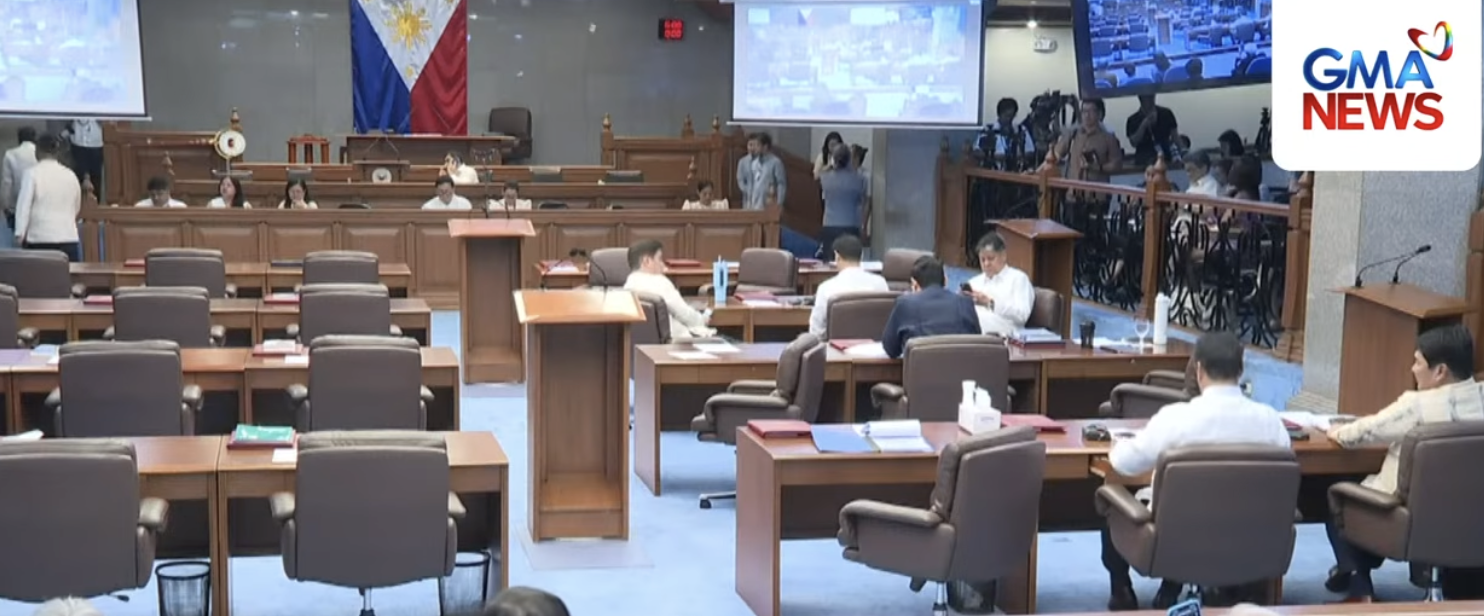
The Senate of the Philippines sat empty on Monday, June 1, 2026, as the majority bloc abandoned a scheduled session following the arrest of Senator Jinggoy Estrada on plunder charges tied to alleged corruption in flood control projects. The arrest warrant was issued by the Sandiganbayan, following a formal complaint filed by the Office of the Ombudsman. The absence of the majority left only the minority bloc—11 senators—waiting in vain, as Senate President Alan Peter Cayetano and his allies failed to appear, sparking accusations of a boycott and a breach of parliamentary protocol.
Senate Stalled: Majority’s Vanishing Act and the Rules They Broke
The session, originally set to resume at 5 p.m., never materialized. According to GMA Network, Cayetano had pushed back the start time from 3 p.m. to 5 p.m., but by the scheduled hour, not a single majority senator was present. Estrada, who surrendered to authorities earlier in the day, was being processed at Camp Crame by the Philippine National Police (PNP). The plunder charges specifically involve the alleged diversion of public funds from flood mitigation projects managed by the Department of Public Works and Highways (DPWH). Cayetano himself was nowhere to be found in the Senate chamber. The minority bloc, led by Senator Juan Miguel Zubiri, was left in the dark—no notice was given, no explanation offered, just silence.
“Well, that’s what we’re discussing now, but definitely there was a violation. You can’t just arbitrarily cancel a session without notice to both the majority and minority.”
—Senator Sherwin Gatchalian, via GMA Network
“The Solid Bloc 11 minority senators were present today for the 5 p.m. resumption of session, ready to work, ready to vote on pending bills and ready to keep the Senate running, but the majority led by SP Cayetano chose not to show up.”
—Solid Bloc 11 statement, via Manila Bulletin
Cayetano’s Gambit: A Statement That Missed the Mark
Cayetano’s response to the minority’s outrage was a statement that did little to address the core issue. He framed the absence as a stand for “Senate independence,” arguing that the chamber’s business was its own to settle. “The Senate is a co-equal branch of government,” he wrote. “It is not a prize to be claimed by anyone.” His plea to the minority was a call to unity, but it rang hollow. “Will you stand for the Senate’s independence?” he asked, but his own actions had already undermined that very principle.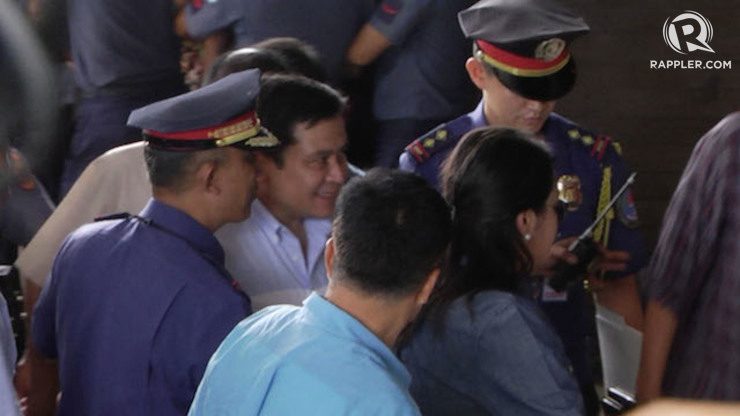
“To my colleagues in the Minority: The Senate is a co-equal branch of government. It is not a prize to be claimed by anyone. Events of the past few days may have blurred this distinction, but what happened with one of our colleagues today brings it sharply back into focus.”
—Senate President Alan Peter Cayetano, via GMA Network
The Stakes: What’s Really at Risk in the Senate’s Stalemate
The Senate’s paralysis is more than a procedural spat—it’s a crisis of governance. With critical bills stalled, the Senate’s ability to function as a check on executive power is being tested. The Solid Bloc 11 highlighted several measures that are now at risk: the confirmation of generals before the Commission on Appointments, the granting of Philippine citizenship to athletes Bennie Boatwright III and Matthew James Ramos, and the passage of health and anti-detention bills. The delay in confirming military promotions leaves key leadership roles in the Armed Forces of the Philippines (AFP) in a state of uncertainty. These are not just legislative items; they are matters of public trust and national security.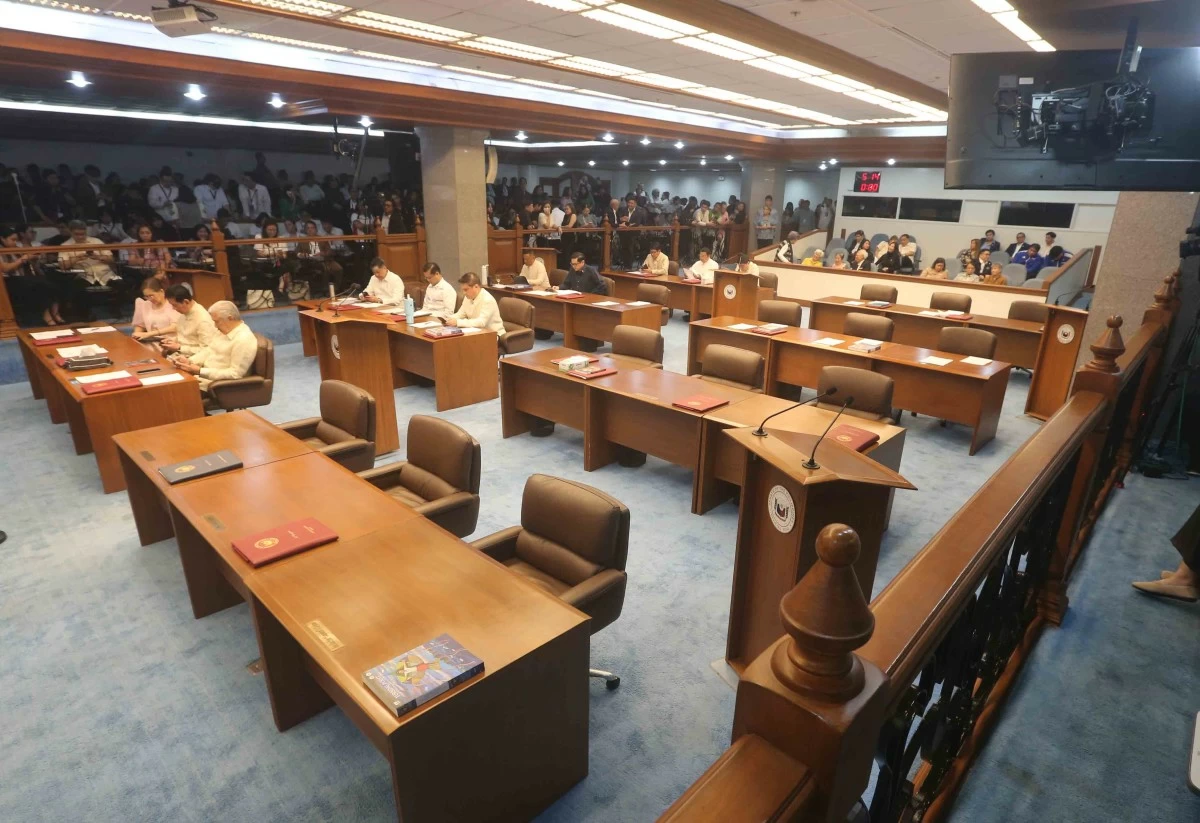
- The Magna Carta of Barangay Health Workers
- The Anti-Hospital Detention Bill
- Confirmation of generals before the Commission on Appointments
- Bills granting Philippine citizenship to athletes Bennie Boatwright III and Matthew James Ramos
