June 1, 2026 marks 100 years since the birth of Norma Jeane Mortenson, the woman who became Marilyn Monroe, a figure whose life and death continue to haunt Hollywood’s collective imagination. Her final days—shadowed by mystery, official reports of probable suicide, and whispers of conspiracy—remain as enigmatic as the persona she crafted.
Marilyn Monroe’s Last Photograph: The Session That Revealed a Woman Beyond the Icon
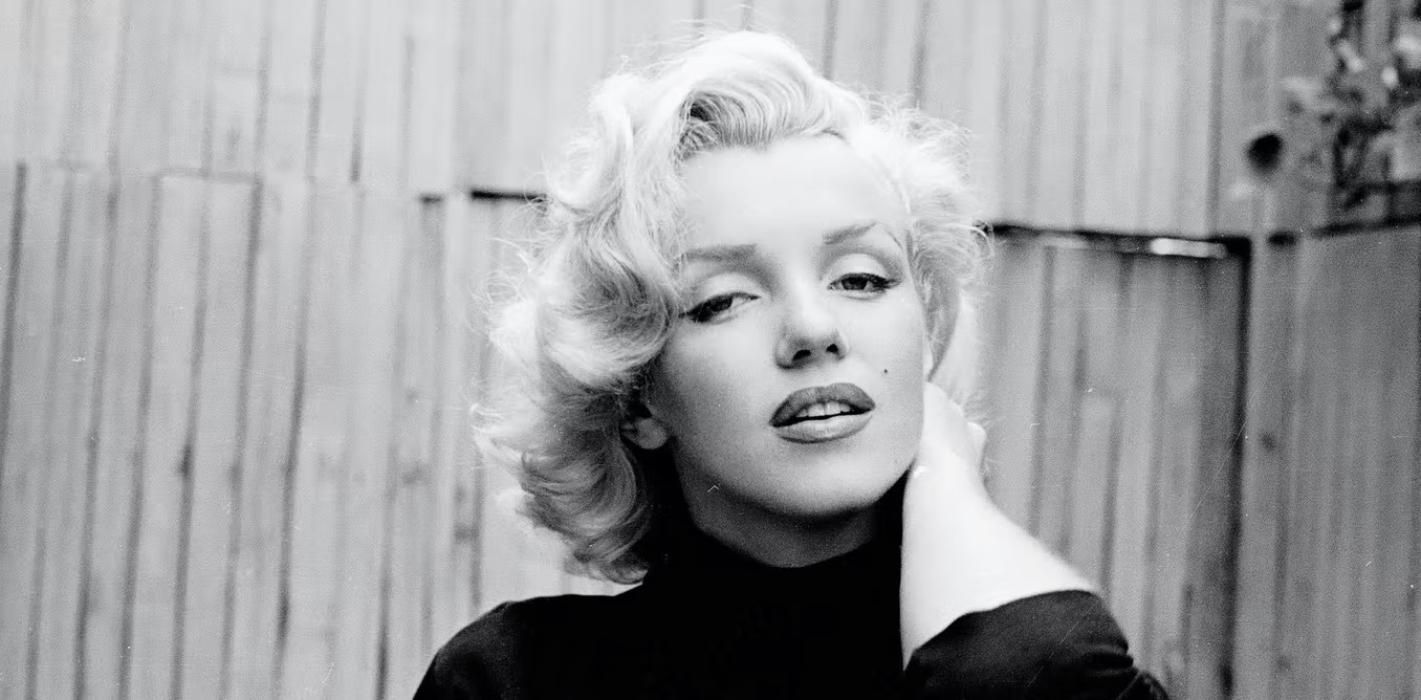
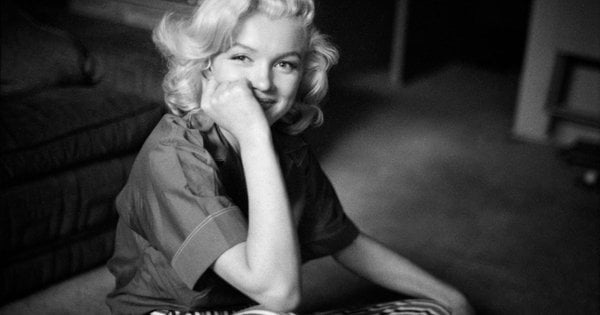
Marilyn Monroe’s final months were marked by a series of extraordinary events, none more revealing than a series of photographs taken just weeks before her death. These images, captured in a private session, offered a glimpse of the woman behind the myth: vulnerable, introspective, and far removed from the glamorous image she projected to the world. According to 24tv.ua, the photographs reveal a Marilyn struggling with the weight of her own fame, a far cry from the effortless seductress of her films. In one of her final interviews, she confessed, “I am unhappy. But the whole world thinks I have everything.”
cluster (priority): Zaxid.net
The photographs, taken in the summer of 1962, were not widely circulated at the time. They show Monroe in a state of raw emotion, her eyes heavy with exhaustion, her expression a mix of melancholy and resignation. These images were not just a farewell to Hollywood’s cameras; they were a testament to the inner turmoil of a woman who had spent her life performing perfection. The contrast between the Monroe of the silver screen and the Monroe of these private moments underscores the chasm between the persona and the person.
The Night of August 4, 1962: Official Suicide or Something More?
On the night of August 4, 1962, Marilyn Monroe was found dead in her Brentwood home. The official cause of death was listed as an “acute barbiturate poisoning,” with the coroner’s report concluding “probable suicide.” Yet, from the moment the news broke, the circumstances surrounding her death have been shrouded in doubt and speculation. The BBC’s retrospective on her 100th birthday anniversary notes that Monroe’s final words, delivered in an interview with Life magazine just weeks before her death, were a stark warning: “The truth rarely comes out. Lies are usually spread instead… It’s hard to know where to begin, if not with the truth.”
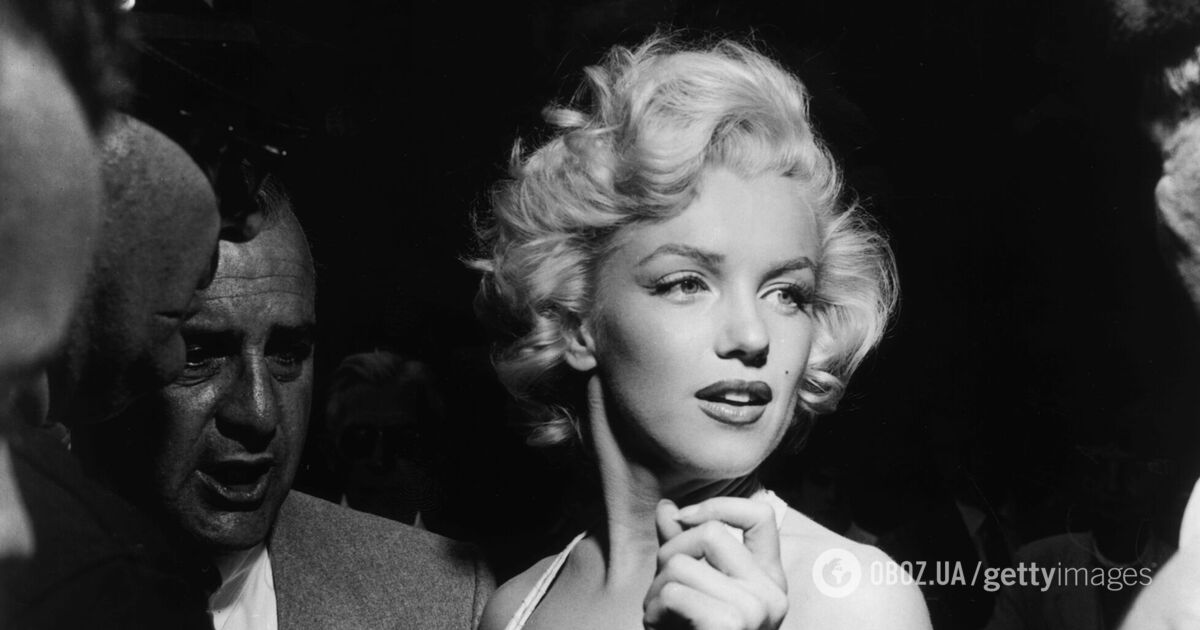
cluster (priority): ObozrevatelMarilyn Monroe's FINAL Photoshoot Secrets Revealed!
The official narrative has long been challenged by conspiracy theories, some implicating high-profile figures, including President John F. Kennedy and his brother Robert. Monroe’s last phone call, placed to actor Peter Lawford—then married to President Kennedy’s sister—has been scrutinized for its cryptic message: “Tell Pat [Lawford’s wife] goodbye. Tell the president goodbye. And tell yourself goodbye, because you’re a good guy.” While some interpret these words as a final act of defiance or despair, others see them as a coded plea for help or even a warning. The ambiguity of her final moments has fueled decades of speculation, with no definitive answers emerging.
Re-examining the Case: What the Evidence Really Shows
In 1982, the Los Angeles County District Attorney’s Office revisited Monroe’s death, prompted in part by journalist Anthony Summers’ investigation. Summers, as quoted by the BBC, described his journey as one of uncovering a web of deceit, political intrigue, and personal tragedy. His efforts to interview witnesses were met with resistance, with many refusing to speak or avoiding the subject entirely. The case remains officially closed, but the questions persist. Was Monroe’s death the result of a tragic accident, a deliberate act, or something more sinister?
The lack of concrete evidence has left room for interpretation, but the official stance remains unchanged: probable suicide. Yet, the sheer volume of unanswered questions—combined with Monroe’s history of mental health struggles, her strained relationships with powerful figures, and the timing of her death—continues to feed the narrative of a life cut short under mysterious circumstances.
Legacy: How Monroe’s Death Shaped Pop Culture and Conspiracy
Marilyn Monroe’s death has become a cultural touchstone, inspiring films, documentaries, and endless analysis. The 1985 film Insignificance, for example, explores the intersection of Monroe’s life with Cold War politics, while the 1996 television film Norma Jean & Marilyn delves into the psychological toll of her dual identities. These works reflect a broader fascination with the woman behind the myth, grappling with the question of who Marilyn Monroe really was.
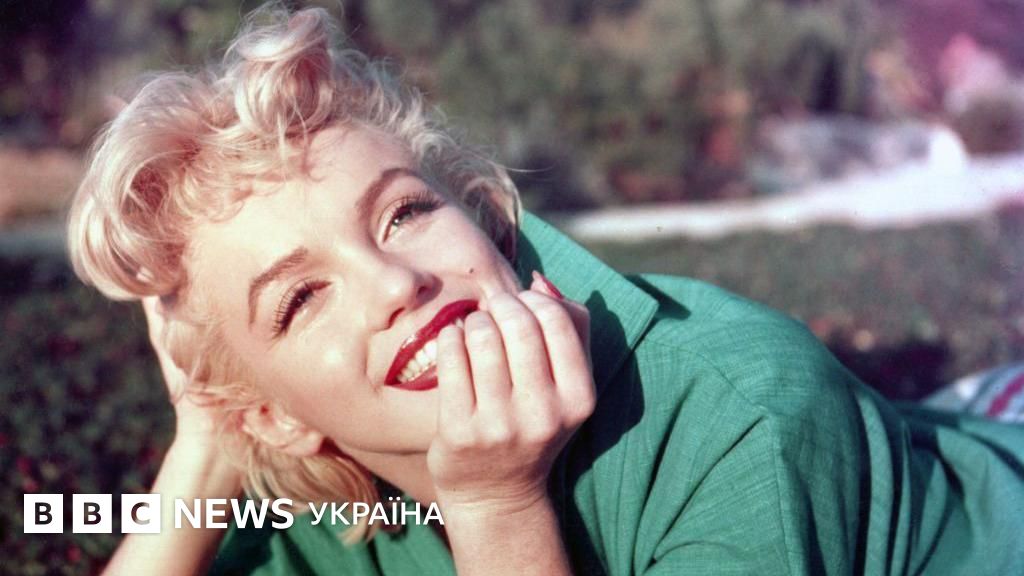
cluster (priority): BBC
The enduring mystery of her death has also cemented her status as a cultural icon, a symbol of both the allure and the dangers of Hollywood fame. As Obozrevatel notes, the theories surrounding her death—from mafia involvement to political assassination—have only added to her legend. Whether or not these theories hold water, they underscore the public’s need to find meaning in tragedy, to believe that there was more to her story than meets the eye.
What Happens Next? The Unanswered Questions That Lingering
A century after her birth, Marilyn Monroe remains a figure of both reverence and controversy. The release of new evidence, if any, would likely reignite public fascination and debate. For now, the enigmatic allure of her life and death endures, a testament to the power of mythmaking in Hollywood. As the world marks her 100th birthday, the question remains: Will the truth ever come out, or will the mystery of Marilyn Monroe continue to captivate us for generations to come?
What is certain is that Monroe’s legacy transcends the woman who died in 1962. She is a symbol of resilience, a reminder of the cost of fame, and a figure whose story continues to evolve with each new generation. The photographs from her final months, the cryptic final words, and the unanswered questions about her death all serve as a poignant reminder: behind every icon, there is a human story waiting to be told.