
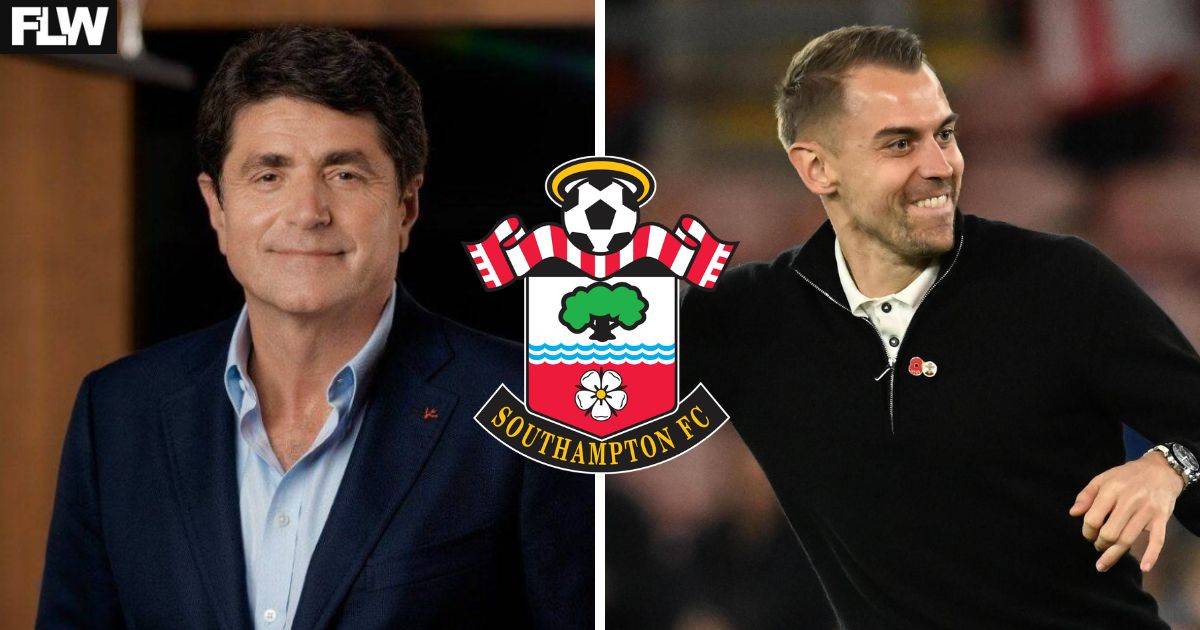
Southampton Football Club faces a period of intense instability following the unsuccessful appeal of sanctions related to the Spygate scandal. The English Football League’s decision to expel the club from the Championship playoff final stands, leaving head coach Tonda Eckert to manage a squad facing potential legal action from its own players.
The Spygate Allegations and Regulatory Breaches
The current crisis at Southampton stems from a series of allegations regarding unauthorized surveillance of opponents. The dispute escalated on May 7, 2026, when Middlesbrough reported Southampton to the English Football League (EFL) following an incident at their training facility. The accusation centered on a Southampton staff member being observed in a manner that suggested intentional spying.
According to reports concerning the incident, the staff member was hiding in the bushes while filming training and recording audio of Boro coach Kim Hellberg
. This behavior triggered an immediate investigation by the EFL into whether the club had violated fundamental competitive integrity protocols.
On May 8, 2026, the EFL formally charged Southampton with violating two critical regulations. The first is Regulation 3.4, which mandates that all clubs act in good faith with one another
. The second is Regulation 127, a rule that strictly forbids clubs from watching or attempting to watch an opponent’s training sessions within a 72-hour window preceding a match. The severity of these charges has fundamentally undermined the sporting legitimacy of Southampton’s recent campaign.
Failed Appeals and the Playoff Reinstatement
Southampton’s path to the Premier League has been effectively severed by the EFL’s disciplinary actions. Despite securing a 2-1 aggregate victory over Middlesbrough in the semifinals, the club was subsequently expelled from the Championship playoff final. The club sought to challenge this expulsion through the legal system, but the effort has proven unsuccessful.
The club recently confirmed that the Arbitration Panel has issued the written reasons behind the decision to uphold the sanctions. With the appeal exhausted, the expulsion stands, and the sporting consequences have been immediate. Middlesbrough has been reinstated to take the place of Southampton in the final, where they are set to compete against Hull City.
The vacancy left by Southampton’s expulsion has reshaped the promotion race. The Championship playoff final, which was originally scheduled for May 23 at Wembley Stadium, will proceed without the Saints. This ruling nullifies the competitive progress made by Tonda Eckert’s side and leaves the club in a state of regulatory limbo.
Financial Exposure and Player Litigation
The fallout from the Spygate scandal extends beyond the immediate loss of promotion opportunities. Southampton is now facing significant financial and legal repercussions that could impact the club’s long-term stability. The most pressing threat involves potential litigation from the club’s own roster.
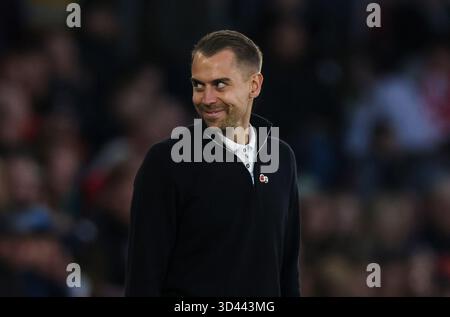
Legal analysts suggest that Southampton could face claims from its players for the loss of earnings resulting from the expulsion. The Championship playoff final is widely recognized as soccer’s richest game, and the loss of access to the associated revenue and potential Premier League windfall represents a massive financial blow. If players can prove that the club’s regulatory violations directly caused the loss of these earnings, the resulting settlements could be substantial.
As the club navigates this period of intense scrutiny, the focus remains on the fallout from the failed arbitration and the mounting legal pressures. The decision to uphold the sanctions ensures that the club must now deal with the institutional consequences of the Spygate scandal while managing a squad that may soon be seeking compensation for the lost season.
